






Garage Door Openers & Remotes
How a Garage Door Opener Works and When to Seek Help

Dec
Reviewed and updated: 14 October 2026
A Merlin opener receives a command from an authorised control and moves a door that has been matched to it. The motor is important, but it does not replace the door, its supporting hardware or the surrounding opening. That is why a motor problem and a door problem can produce similar symptoms while requiring different assessment.
The door type shapes the recommendation
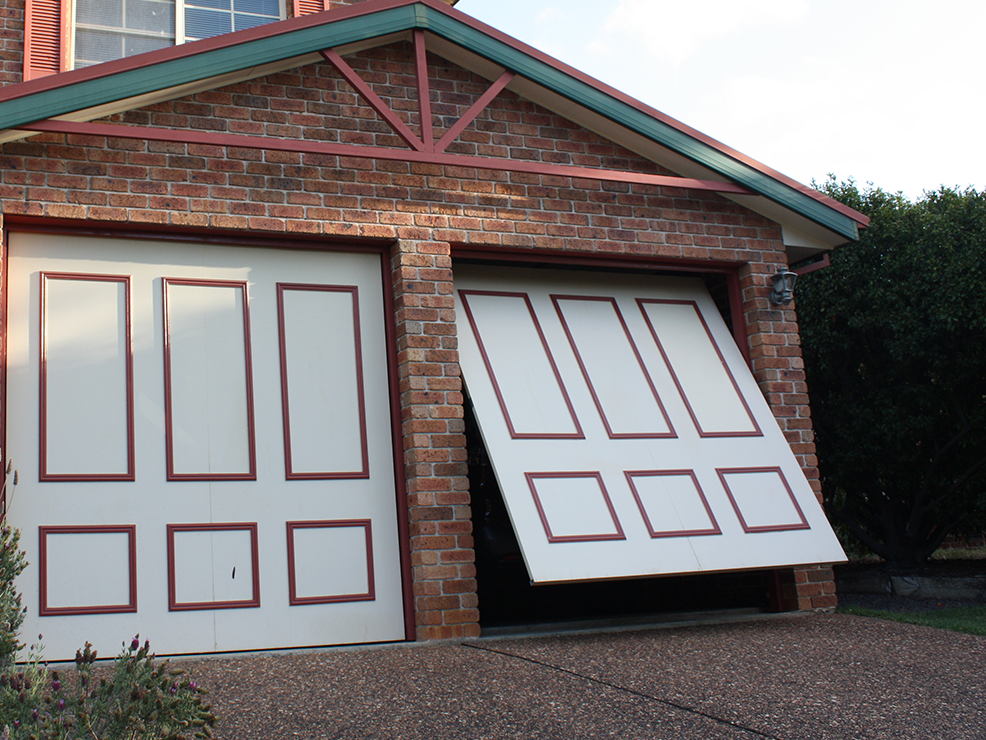
Roller, sectional and tilt doors have different movement arrangements. Merlin’s product selector begins with door type rather than asking an owner to compare generic motor terminology. A technician also needs to consider the actual opening, available space, normal use and condition before proposing equipment.
It also explains why an older motor cannot be selected by horsepower language borrowed from overseas articles. Australian Merlin equipment is specified for particular applications. The product, the door and the installed environment need to be considered together, with the exact current model documentation used for feature and accessory questions.
Controls are an access layer
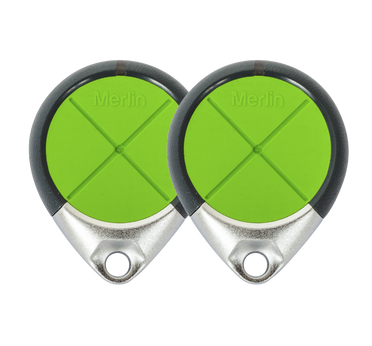
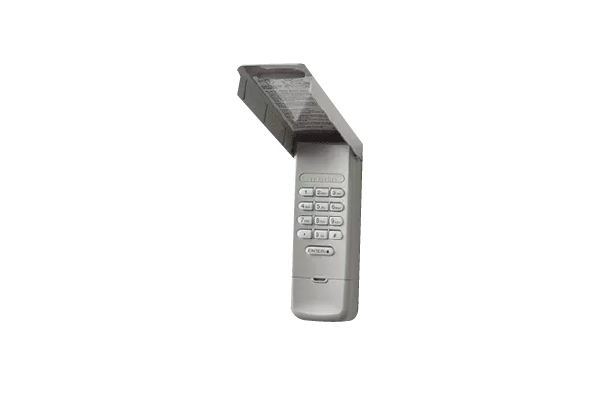
A remote, wall control or compatible accessory tells the motor to operate; it does not establish that the door is safe to move. Remote compatibility depends on the motor model. Keep the model number and current manual rather than selecting a control by its button layout or by an old online tutorial.
Think of controls as the access layer around the opener. A handset may be convenient in a vehicle, a wall control may suit the household routine, and a compatible smart accessory may offer functions described for that specific product. None of those controls changes the physical condition of the door. If one device works and another does not, that is useful information for support, but it is not proof that every part of the system is healthy.
It is worth recording who has an authorised control and where spare handsets are held. When a driver leaves the household, a car is sold or a remote goes missing, that record turns a vague security concern into a clear access-management task. Keep passwords, recovery details and entry codes out of the same ordinary household record.
Safe operation is a household habit
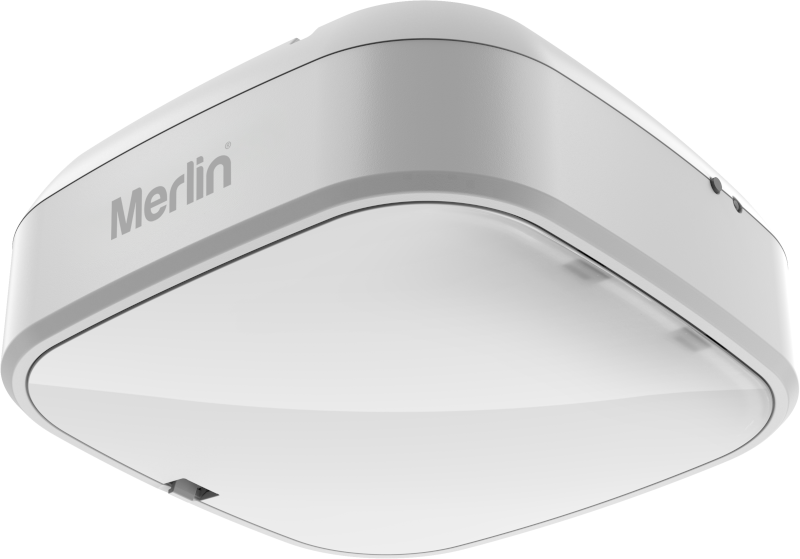
Keep people, pets, vehicles and stored items clear of the doorway while it moves. Do not stand under a moving door, use a remote as a way to test an abnormal door or ask a child to operate it. If a safety device is installed, do not cover, bypass or alter it to overcome a problem.
Everyday observation matters. Notice whether the doorway is clear before operating the door and wait for a complete stop before walking or driving through it. Treat a new scraping sound, an interruption to normal travel or an unexplained stop as information to act on, rather than something to defeat with repeated button presses. The safe response is to keep the area clear and seek advice for the particular door and motor.
Mechanical symptoms need a clear boundary
Uneven travel, a loose cable, visible damage, a sudden new sound or unexpected reversal are reasons to stop using the door. Do not try to diagnose those symptoms by adjusting springs, tracks, force settings or release hardware. A door can be heavy or unstable for reasons an owner cannot determine safely from normal use.
The distinction between door and opener is especially important here. A motor may stop because it is responding to an abnormal condition, but the cause could be elsewhere in the system. Changing a setting to make the symptom disappear can conceal the information a technician needs and can create a different risk. Avoid leaning into the opening to inspect moving parts, climbing to the motor or removing covers. A visual observation from a safe position is enough to describe what changed.
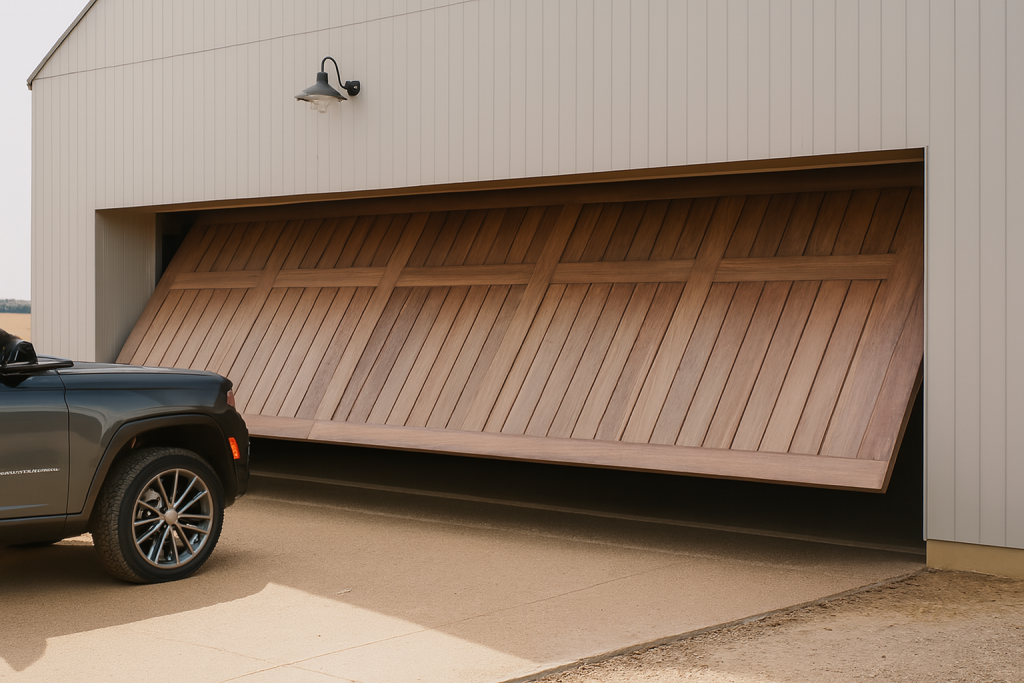
If the door is not fully closed, do not assume it can safely be moved manually or electrically. Keep people away from the opening and explain its position when booking help. A technician can decide what inspection and stabilisation are appropriate for the installed door.
Use the exact manual when a control question arises
A model-specific Merlin manual can help identify the ordinary support route for the installed product. It is a better starting point than an instruction written for another motor. Do not copy programming, reset or manual-release steps unless they are confirmed for the exact equipment and the door is operating normally.
Current Merlin homeowner support provides a model-based remote compatibility tool and manuals. Start with the label on the motor and the current documentation, not a remote that happens to look familiar. This is also the right boundary for smart-access questions: the installed model and documented compatibility determine what can be considered, rather than an assumption that every opener offers the same app, accessory or safety arrangement.
Make a service call useful
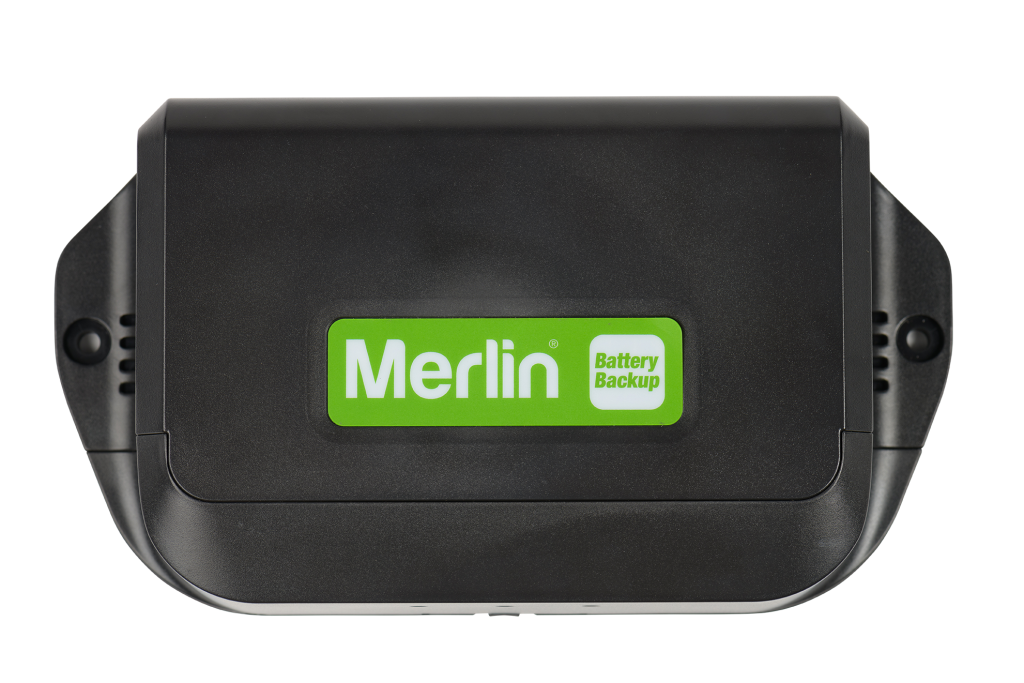
Note whether the door is fully closed, whether an authorised control responds, what occurred immediately before the issue and whether anything is visibly out of place. Provide the motor model and door type if known. This gives a technician useful facts without requiring anyone to touch cables, springs, wiring or settings.
A short factual timeline is often more helpful than a diagnosis. For example, note whether the door had been working normally, whether the change followed a power interruption, whether a control was lost or whether a new sound appeared. Photographs of an accessible label or visible damage can help if they are taken without entering the movement area or climbing on storage.
Keep the handover information
After installation or service, store the manual, model number and a simple record of authorised controls together. That record supports a later remote question or household access change. It should list devices and users, not passwords, account recovery codes or entry codes.
Review the record when the household changes, not only after something goes wrong. It keeps future remote replacement, support and access decisions tied to the actual Merlin motor and the people who should be able to use it.
Eastern Garage Doors can help Melbourne homeowners discuss their Merlin motor model, door type and access question. Use our contact page to get in touch.