







Garage Door Openers & Remotes
Before Automating Your Garage Door: A Practical Assessment Checklist

Jun
Reviewed and updated: 14 October 2026
Adding an opener changes how a garage door is used, but it should not start with selecting a motor online. The existing door, its condition, the space around it and the household’s access routine all need to be assessed first. A practical checklist gives a homeowner useful information to provide an installer without asking them to test a heavy door, adjust its mechanism or make an electrical change.
Identify the door and opening
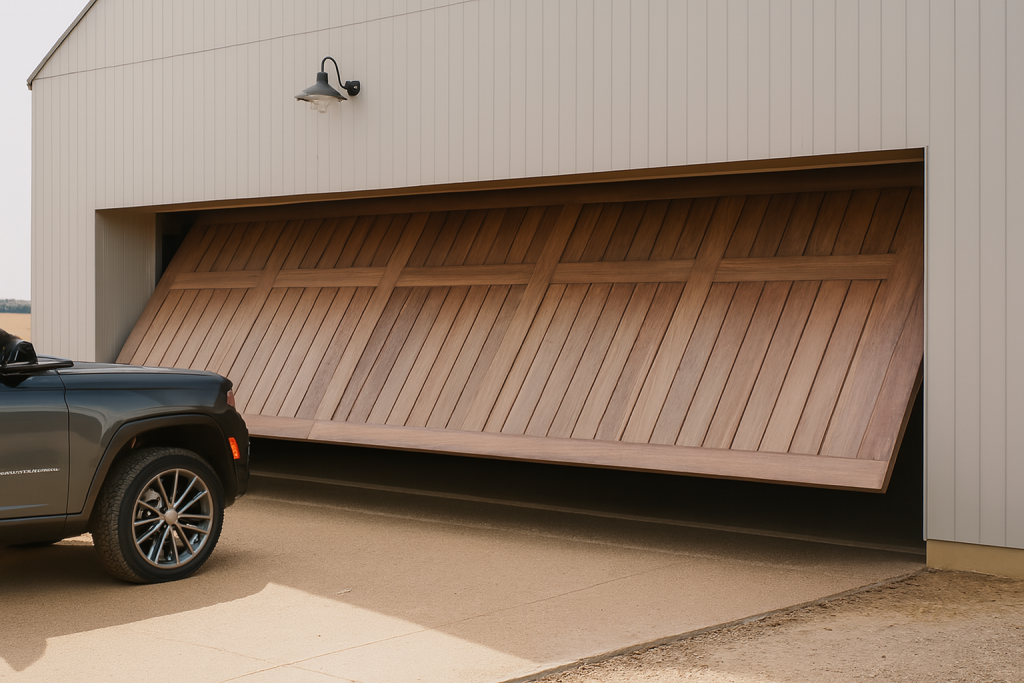
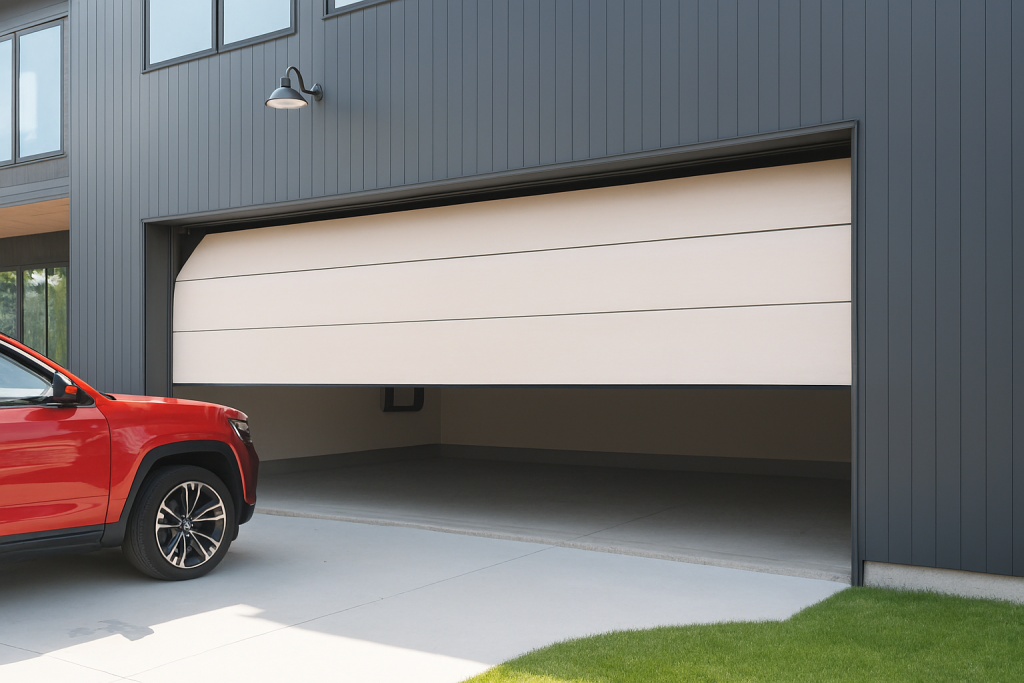
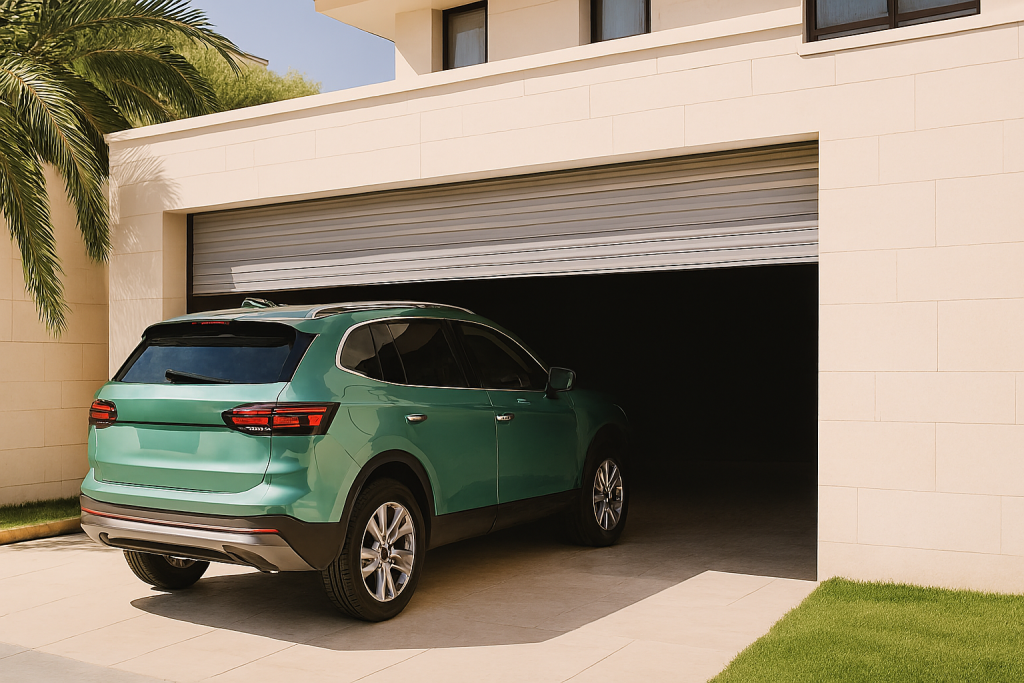
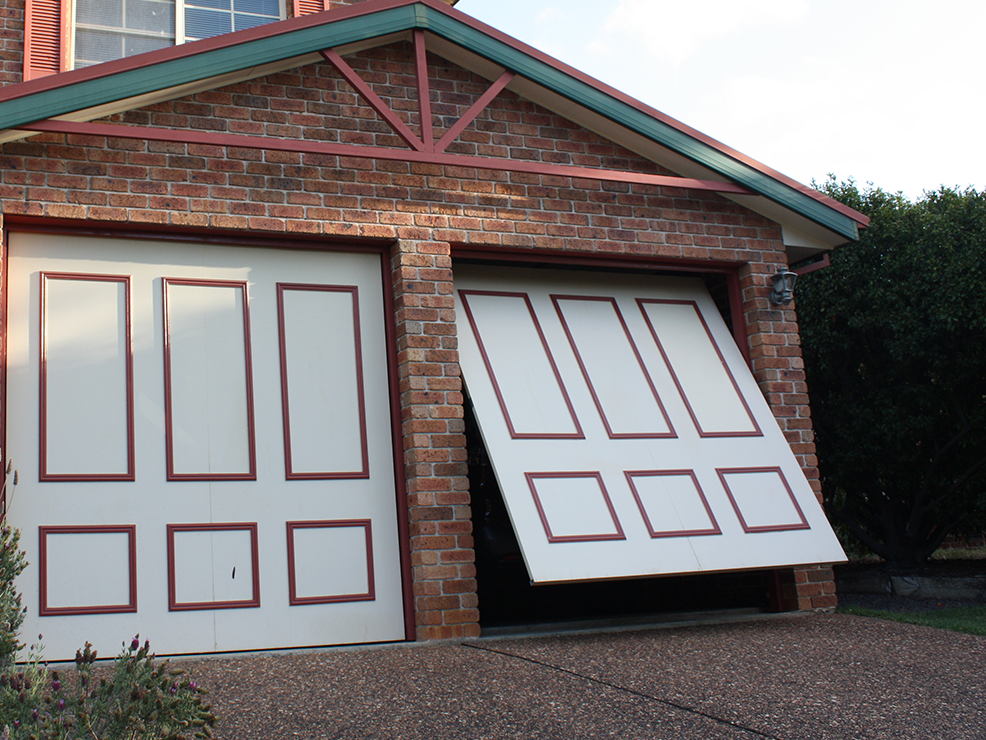
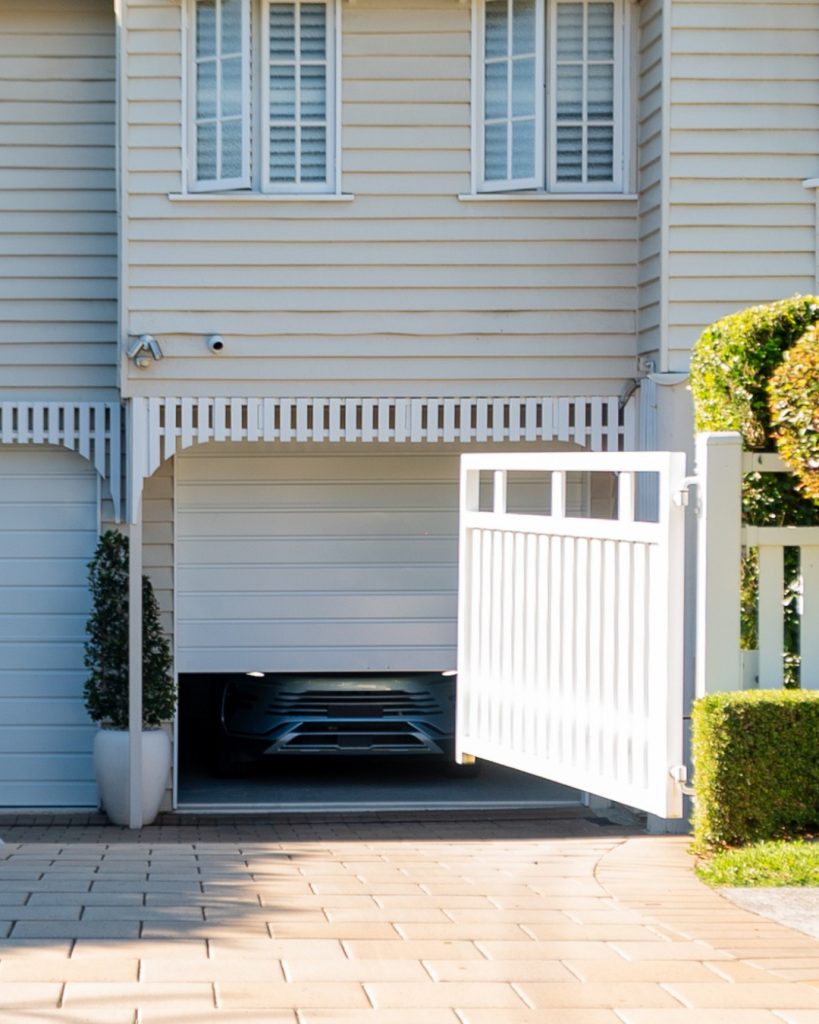
Record whether the garage has a roller, sectional or tilt door and whether it serves a single or double opening. Photograph the door from the driveway and the garage interior, keeping safely clear of the moving path. Note the ceiling layout, side room, beams, storage, lights, vehicle position and any pending building work. An opener must suit the particular door and installation arrangement, so a broad door description is only the start.
Include the condition of the opening and driveway. Recent paving, a low beam, a changed ceiling, new shelving or a car that now parks closer to the door can be relevant. Do not remove door hardware or attempt to create space by moving tracks, springs, cables or guides. The assessment is designed to establish whether the physical setting supports automation as it stands.
Report changes in operation without diagnosing them
Describe any behaviour that has changed: scraping, uneven movement, a new sound, stopping short, visible damage, loose-looking parts or a door that does not close as expected. Write down when it occurs and whether it followed an impact or building work. This tells the installer what must be inspected before automation is considered.
Do not test balance, lift a door to see whether it feels heavy, force it closed or repeatedly operate a door that is behaving unpredictably. Tensioned and moving components are not a homeowner assessment task. If the door is unreliable or damaged, keep people and vehicles clear and seek professional advice rather than treating an opener as the solution.
Explain how the garage is used
An automation discussion should include the people who enter and leave through the garage. Is it the main household entrance? Does more than one driver use it? Is there a pedestrian path beside the vehicle route? Are children, pets, visitors or deliveries common at the opening? These facts affect the access arrangement and the way safety needs to be discussed.
Be clear about the desired outcome. A household may want easier everyday entry, a replacement for a failed opener, a control for another user or eligible connected access. Naming the outcome prevents a feature list from replacing the actual question. It also helps separate essential equipment from optional access choices that must be checked for compatibility.
Ask about the required safety arrangement
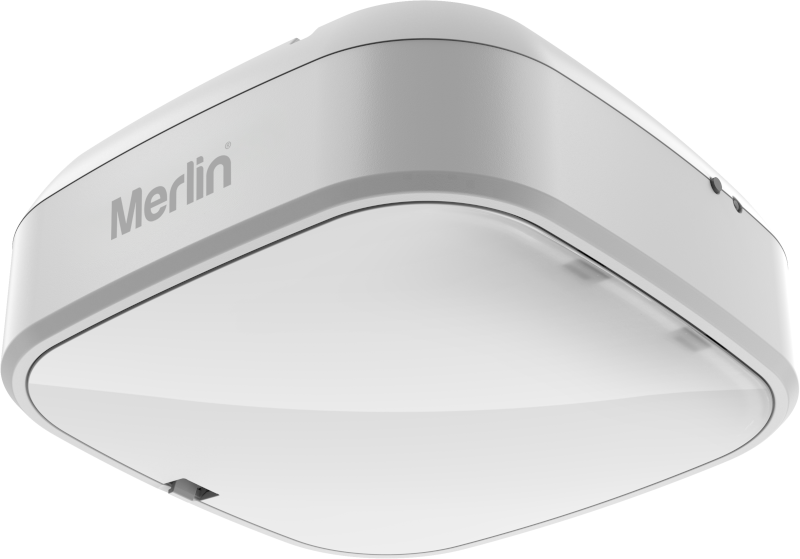
Merlin’s current range includes product-specific safety features and accessories. Safety IR beams are required for full smartphone myQ Connectivity functionality according to Merlin’s support information. What is included, required or compatible depends on the opener and installation being proposed. Ask the assessor to identify the equipment for the selected arrangement rather than assuming sensors or remote functions are standard across every model.
Technology supports safer access but does not remove the need to keep the door path clear. An app, remote or wall control should never be used as a reason to operate a door without awareness of people, vehicles or items nearby. Do not bypass safety devices or alter force, travel or wiring settings to solve an operating issue.
Consider power and access interruptions
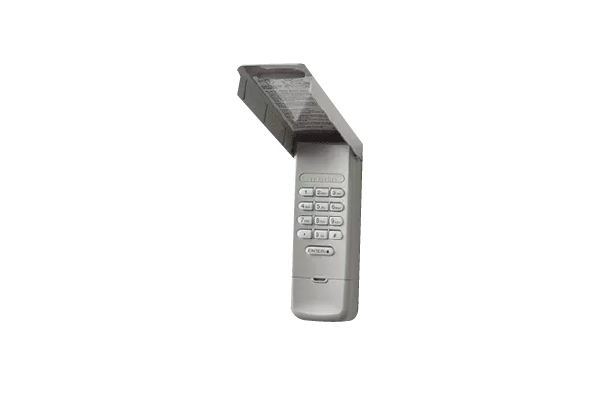
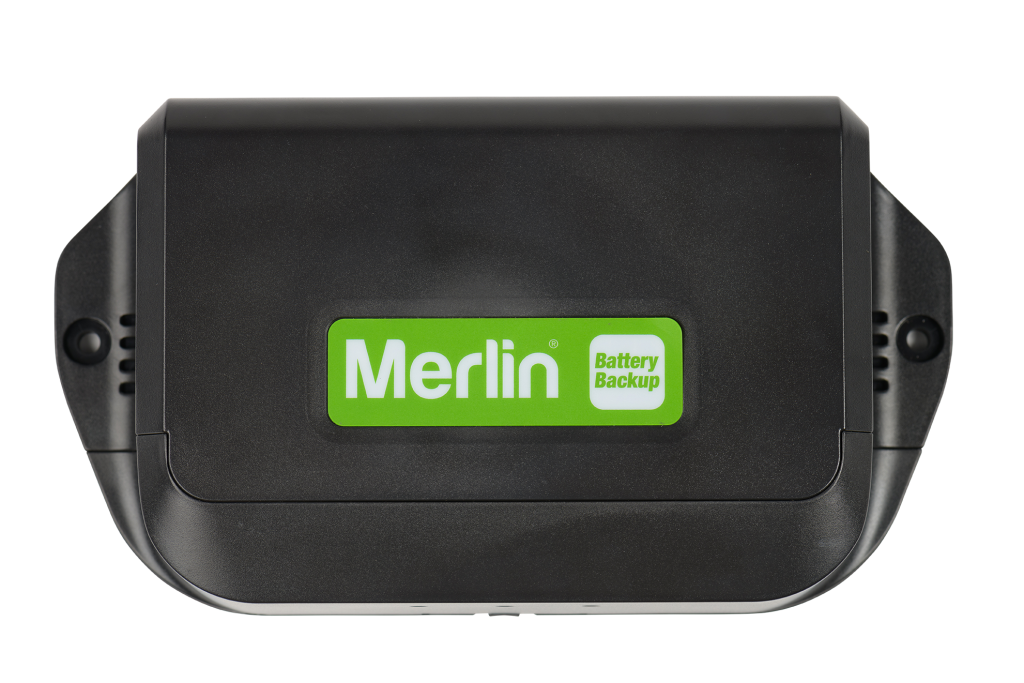
Ask how the household will access the garage during a power interruption and whether the property has another suitable entry. Merlin offers model-specific accessory options such as battery backup and key-operated releases, but compatibility must be checked against the exact opener. Do not assume that every motor can use every backup option.
Make this part of the basic access plan, not a last-minute purchase. If the garage is the only practical way into the home, say so at the assessment. The installer can explain the options that are suitable for the selected system and the information that should remain with the household after installation.
Turn the assessment into a written scope
Ask the proposal to distinguish work needed on the existing door from the opener and accessories being supplied. Record any building preparation, electrical provision or access work that requires separate coordination. A quote that identifies those boundaries is easier to assess than a single product name with an assumed installation package. If a condition remains unknown, ask how it will be checked before the final arrangement is agreed.
Keep the handover requirements visible too. The household needs the exact model information, ordinary operating instructions and the correct service contact. Decide who will keep that material and explain it to other regular users. This makes the project about a usable access arrangement after installation, rather than simply getting a motor attached to the existing door.
Prepare a complete enquiry
- Door type, opening size context and photographs taken safely
- Any change in door movement or visible damage
- Ceiling, driveway and storage constraints
- Users, vehicles and pedestrian routes
- The access problem automation should solve
- Any planned renovation or power-interruption requirement
Eastern Garage Doors can assess automation around the installed door, the site and the household’s actual access need. Use the contact page or call (03) 9812 3062 to begin with these details. Leave opener installation, adjustments and safety-device work to trained professionals.