






Safety & Security
Reviewing Garage Access After Moving Into a Home

Oct
Reviewed and updated: 14 October 2026
Moving into a home is a sensible time to understand how garage access works. The previous owner’s routine may have involved several remotes, a pedestrian door, shared driveway arrangements or connected controls that are not obvious during an inspection. An access review does not promise to prevent every unauthorised entry. It gives the new household a clear record of controls, users and operating issues so the garage is not managed by guesswork.
Make an inventory before things are unpacked
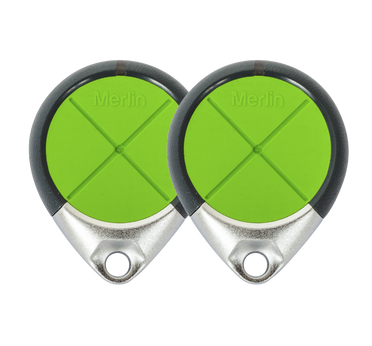
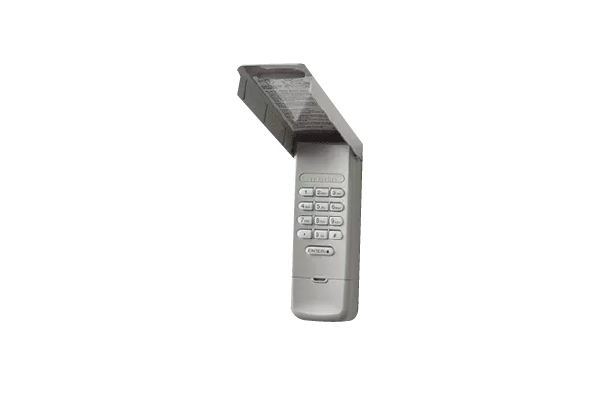
Gather every remote, key, keypad code record, wall control and manual provided at settlement. Put the items in one place and list how many there are. If the garage door or gate has an opener label, photograph it clearly and record the model information. Keep this with the property documents. It will be useful if a control is missing, a feature needs clarification or an operating issue is reported later.
Do not assume that the controls handed over are the only ones that exist. Instead, treat the inventory as the starting point for the new household’s own access records. Ask the agent or previous owner factual questions where appropriate, but avoid relying on informal assurances about older equipment, repairs or connected accounts that cannot be verified.
Review who should have access now
Decide which household members need regular garage entry and which people may need occasional access. This may include a tenant, family member, carer or tradesperson during approved work. Write down the intended arrangement before distributing remotes or keys. Keeping the list short and current makes later changes easier to manage.
When a person no longer needs access, retrieve the relevant control and update the list. If a remote or key cannot be accounted for, identify the exact installed opener and seek model-specific professional advice. Do not use generic instructions to change unfamiliar equipment, and do not share a main account password simply because it feels simpler than managing individual access properly.
Walk the garage and driveway together
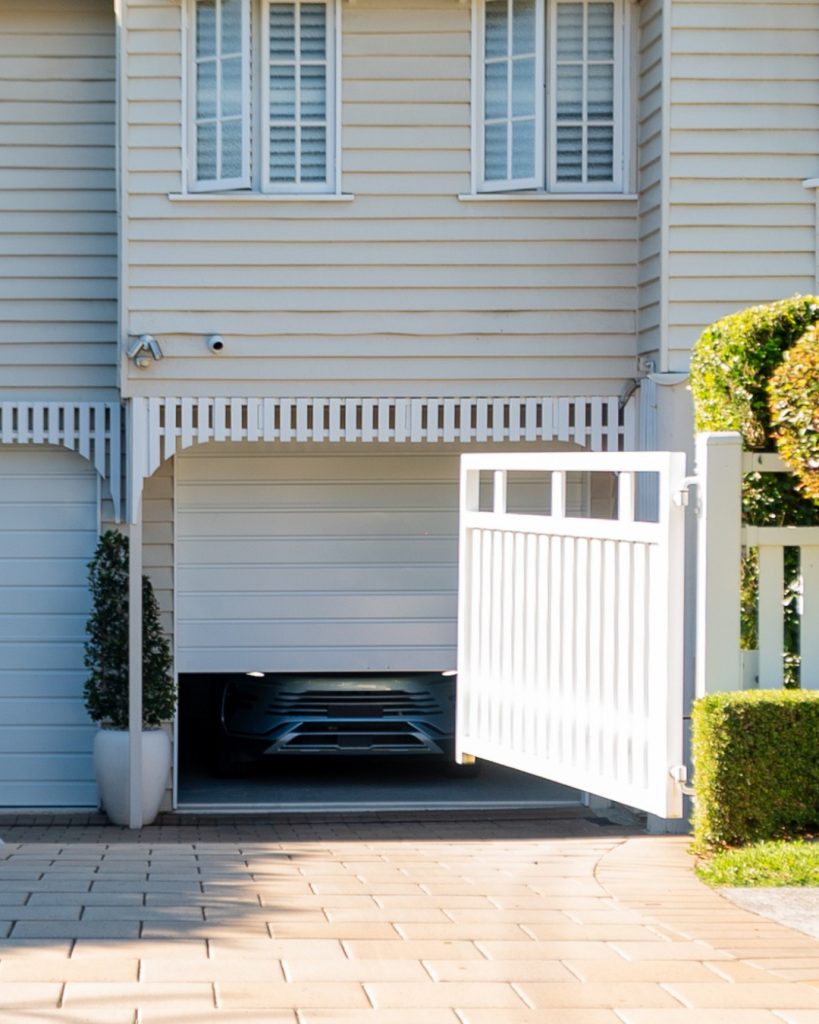
Inspect the entrance in daylight. Note where vehicles approach, where people walk, and where the garage door or gate moves. Look for stored items, bins, bikes, roof racks, low fixtures, garden growth or parking positions that could affect access. If the property has a shared driveway or common area, find out the practical boundaries before making changes to parking or entry routines.
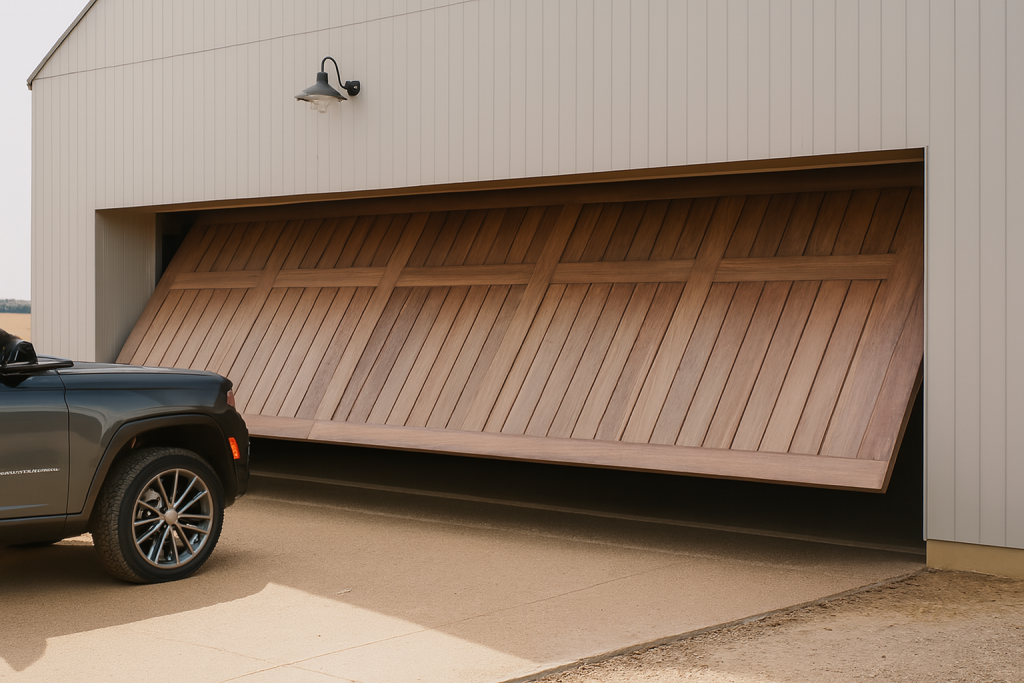
Look for visible changes that need attention: a door that sits unevenly, obvious damage, unusual gaps, corrosion, a gate that catches, or an opener that behaves unpredictably. Take photographs and keep the area clear. These are observations for an assessment, not a reason to adjust springs, cables, tracks, hinges, gate mechanisms or electrical equipment yourself.
Confirm how the opener is meant to be used
Locate the manufacturer documentation for the exact opener and read the owner information that applies to that model. A garage door and an automatic gate are different systems with different product requirements. A remote that looks similar to another one does not prove it is compatible, and an old instruction sheet may not describe the equipment fitted at the property.
If the home includes compatible connected access, identify whose account currently controls it and establish a clean owner arrangement through the applicable current instructions. Do not treat an app feature as universal or assume that it will work with any opener. Connectivity, account transfer and permissions should all be confirmed for the exact system that is installed.
Set safe routines from the first week
Use the door or gate only when the movement area is clear of people, pets, vehicles and stored belongings. Wait for it to finish before moving through the opening. Keep remotes and keys in known places rather than leaving them in an unattended vehicle. These habits are ordinary access management; they reduce confusion at a time when a home can be full of boxes and unfamiliar routines.
If the door or gate makes a new noise, reverses unexpectedly, stops short, catches or does not operate normally, stop using it and arrange an assessment. Do not keep cycling it to see whether the issue clears. Do not attempt force, balance, spring-cable or electrical adjustments. Clear information about the symptom and the model will help the professional assess the problem safely.
Plan changes to the garage before making them
Moving in often prompts new shelving, storage, lighting, landscaping or a different vehicle arrangement. Consider each proposed change against the door or gate’s movement zone and equipment location. A cupboard, rack or decorative feature can create an unexpected obstruction even when it appears to be outside the main opening.
Keep garage-door condition separate from home-improvement preferences. A new colour, storage plan or access routine may be desirable, but it does not prove that the existing door requires replacement. A professional assessment can distinguish a functional issue from a choice about how the space will be used.
Keep the records current
Maintain a simple folder with the model details, controls inventory, service documents and access list. Add a note when a remote is issued or returned, work is completed or something changes near the opening. This gives future household members an understandable history and avoids making each maintenance conversation start from zero.
For advice about the operation of the garage door, gate or installed controls at your new home, contact Eastern Garage Doors with the available model information and photos.