






Garage Door Openers & Remotes
Planning a Merlin Roller Door Opener Installation

Sep
Reviewed and updated: 14 October 2026
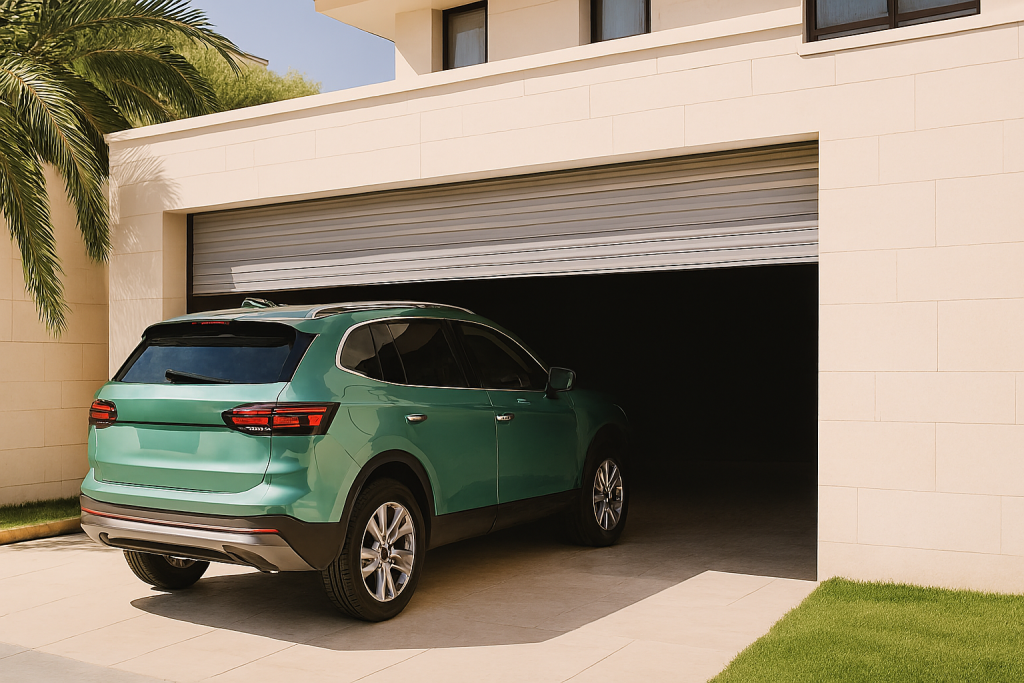
A roller-door opener installation is most successful when the planning begins before a product is ordered. A roller door has its own side-room, curtain, guide and operating considerations. The right Merlin solution depends on the existing door, the way the garage is used and the physical site. A generic claim about motor strength or smart features cannot replace that assessment.
For a home in Melbourne’s eastern suburbs, the practical aim is to give the installer an accurate picture of the door and your access needs. That creates a safer recommendation and reduces the chance of surprises on installation day.
Describe the roller door you have
Begin with what you can safely see. Is it a single or double roller door? Does it appear to run evenly? Has it been difficult to operate, unusually noisy or damaged? Is it used only for a vehicle, or do people walk through the garage frequently? A photograph of the closed door and the interior side can help the initial conversation.
Do not attempt to test balance, change spring tension, remove the curtain or work on brackets, guides and cables. Roller-door components store force and can be dangerous. If the door has been struck, sits unevenly or has a loose-looking cable, stop using it and arrange an inspection before any automation work is considered.
Plan for the door, not just the motor
A roller-door motor needs to suit the particular door and site. Merlin’s product selector begins by asking about door type and then considers single or double garage use, access, frequency of operation and household needs. Those questions are a useful way to prepare for an installer’s assessment.
Tell the technician about the door dimensions if they are already known, but do not rely on an unverified measurement to select equipment. The installer can confirm the physical requirements and determine whether the door’s condition and construction are appropriate for the proposed opener.
Show the space around the opening
Roller-door installations need the available space around the door to be considered. Show the installer shelves, cupboards, lighting, ceiling features, a side access door or anything fixed near the door’s operating area. These details can affect whether a proposed motor and control arrangement will fit and remain accessible for service.
Clear ordinary storage from the work area before the visit where possible, but do not dismantle the door or remove safety equipment. A clear view helps the installer assess the site without asking them to work around avoidable clutter.
Discuss power as part of the job
The electrical arrangement should be suitable for the planned equipment. Identify where existing power is located and mention any previous electrical issues in the garage. Do not plan a permanent opener around a loose extension lead, improvised wiring or a power point that is already overloaded. If electrical work is required, it should be handled appropriately as part of the installation plan.
Ask the installer how the power arrangement will be considered and what needs to be ready before installation day. This avoids treating a motor purchase as though power can be sorted out later without affecting the job.
Choose access controls deliberately
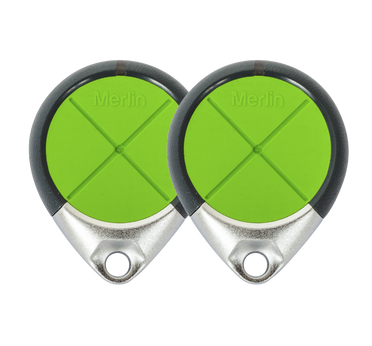
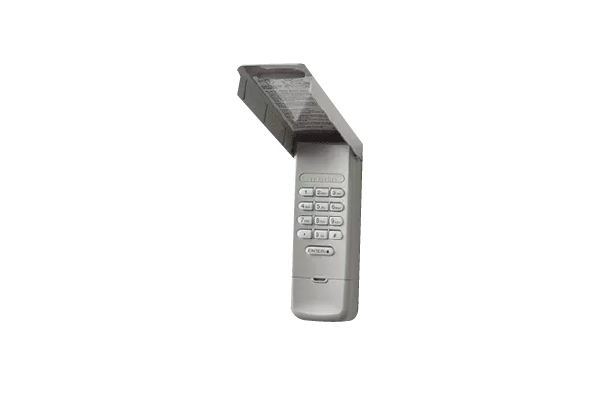
Think about who will open the door and how. A remote may suit regular drivers, while another household may need a wall control or a different compatible accessory. Merlin’s homeowner support page says remote compatibility depends on the motor model. That is why controls should be confirmed after the motor has been selected, rather than bought in advance by appearance.
Record who has authorised remotes once the installation is complete. This helps if a device is lost, a vehicle changes hands or a family member no longer needs access. Treat every remote as an access device, not just a convenience item.
Put safe operation into the plan
Ask what safety features and compatible equipment apply to the proposed roller-door setup. Keep people, pets, vehicles and stored items clear whenever the door is operating. Do not bypass safety equipment or alter settings to make a door move when it is behaving abnormally.
A motor is not a repair for a door fault. If the door reverses, stops unexpectedly, makes a sudden new sound or shows visible damage after installation, stop using it and seek assistance. The right response is an assessment, not repeated attempts to operate it.
Consider smart access separately
Smart access may be worth discussing after the roller-door and opener selection are clear. Merlin’s myQ options are for eligible equipment and have separate compatibility, gateway and account requirements. Ask whether it suits the particular proposed opener, how it will connect in the garage and who will have access. Do not assume that every roller-door setup needs or supports phone control.
Smart access does not change the need to keep the doorway clear. Avoid operating a garage door remotely when you cannot be satisfied that the area is safe.
What to have ready for your installer
- Photos of the roller door and the space around it.
- A description of any noise, damage or operating concern.
- How often the door is used and who needs access.
- The location of existing power and any garage layout constraints.
- Your interest in remotes, wall controls or compatible smart access.
Eastern Garage Doors can assess a roller door and help Melbourne homeowners plan an appropriate Merlin opener installation. Contact the Eastern Garage Doors team with the details above to start the conversation.