






Safety & Security
Managing Garage Access When Guests Visit During the Holidays

Dec
Reviewed and updated: 14 October 2026
Holiday visitors can change the way a household uses the garage. Extra cars arrive, people come and go at different times, and a remote or internal access door may be used by someone who does not normally manage it. A short access plan can make those arrangements easier to follow. It should be practical enough for guests to understand and careful enough not to turn convenience into an assumption about security.
Decide which entrance guests should use
Before guests arrive, decide whether the garage is part of their normal arrival route or whether the front or side entrance is more suitable. Explain where they can wait, where to park, and which path should stay clear when the garage door is moving. This is especially useful when visitors are unfamiliar with a narrow driveway, a shared access way or a garage that also stores bikes, prams and household equipment.
Give instructions in plain language. A note that says ‘use the pedestrian door and keep the garage opening clear’ is more helpful than a general warning to be careful. If the garage is not intended for visitor access, say so before the day becomes busy. Clear boundaries prevent the need for someone to guess how the door or remote should be used.
Keep remotes and keys under the owner’s control
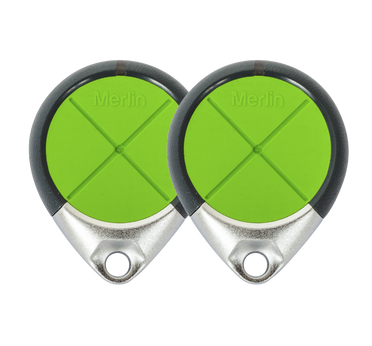
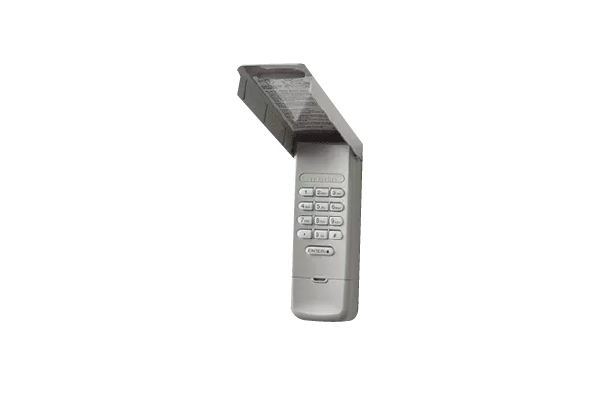
Choose a single place for remotes and keys when they are not in use. Avoid leaving them in an unattended vehicle or passing the same remote from person to person without knowing where it has gone. If a guest needs a remote for the stay, agree who receives it, where it is kept and when it will be returned. A simple written list is useful for a larger gathering or a household with several regular controls.
After the visit, collect the items and check them against the list. If a remote, key or access device is missing, do not assume it will turn up. Record the exact opener model and contact a qualified provider for advice that suits that equipment. Avoid attempting to reprogram an unfamiliar opener from generic internet instructions.
Set expectations for the moving door
Guests, children and delivery drivers should not be asked to stand below a moving garage door or to hold it while a vehicle passes. Keep people, pets, bicycles, bins and stored belongings clear of the doorway whenever the door is operated. Confirm that the driver can see the entrance area before using a control, and wait for the door to complete its movement before moving through the opening.
If the door behaves differently, makes a new noise, reverses unexpectedly or does not open and close normally, stop using it and keep the opening clear. Do not ask a visitor to investigate because they are handy, and do not attempt work on springs, cables, brackets, force settings or electrical components. An operating issue needs an assessment, not more attempts to make the door cycle.
Plan around cars, storage and temporary items
Holiday periods often bring extra cars and more items into the garage. Allocate parking before the first arrival so vehicles are not left where they restrict the door’s travel, block access to a control or force people to walk through a tight operating area. If the garage is used for luggage, gifts or seasonal equipment, keep those items well away from the door, tracks, opening edges and any installed safety devices.
Do not move permanent storage, shelving or the opener equipment simply to squeeze in a car for the weekend. A temporary parking plan is safer than an improvised change to the garage arrangement. If the household needs more space, use an area that does not affect the door’s operation and restore the normal clearance once guests leave.
Use connected access carefully, where it is installed
Some compatible garage systems may have app-based access features. If your own installed system offers shared or temporary access, use the current manufacturer instructions and only grant it to people you trust for the agreed purpose. A smart feature is not required for a sound visitor plan, and it is not a promise that the garage or home cannot be entered.
Review any temporary access after the visit. Remove access that is no longer needed and keep account credentials private. If you are unsure which functions apply to the installed opener, locate the model information and consult current product support or a professional. Do not treat a general description of connected access as confirmation of compatibility for every garage door opener.
Leave time for arrival and departure
Much confusion happens in the first few minutes of a busy arrival or departure. Build in a little time so guests do not feel pressured to follow an unfamiliar vehicle through the garage opening or use a remote while distracted. If one person is coordinating parking, make that role clear. The result is a calmer driveway and less reason for someone to operate equipment they do not know.
When guests depart, collect borrowed remotes and keys before the final car leaves. Walk through the garage once more to make sure temporary bags, donation items or holiday decorations have not been left in the doorway or close to the moving equipment. This is an ordinary household check, not a guarantee against every possible problem.
Keep a simple year-round access routine
The most useful holiday plan is one the household can repeat at any busy time. Maintain a record of controls, model details and regular users; keep the doorway clear; and arrange a professional assessment when operation changes. Review the plan after a house move, a change in household members or new storage is added to the garage.
For advice about an operating garage door or suitable access options for the installed equipment, contact Eastern Garage Doors.