






Garage Door Openers & Remotes
Choosing a Merlin Roller Door Opener

Jan
Reviewed and updated: 14 October 2026
Choosing a Merlin roller door opener is a suitability decision, not a search for a universal “best” motor. The opener must be considered with the particular roller door, the opening, the space around it and the way the household will use access. Merlin publishes current product information, manuals and compatibility resources, but a product name alone cannot confirm that an opener suits an existing door. Start with a clear site brief and have the final recommendation checked for the actual installation.
Describe the roller door you have or plan to install
Begin with the door type, opening dimensions, whether the door is existing or new, and any known service history. Include the type of building and whether the door is the main daily entry, used occasionally, or part of a shared access routine. A photo taken from a safe distance can show the opening and available side space, but should not replace an on-site measure.
Do not infer suitability from a neighbour’s installation, a similar door in an online image or a motor that operated a previous door. The supporting arrangement, condition, clearances and operation pattern can differ. A roller door that has changed movement, is noisy, heavy or visibly damaged needs assessment before an opener choice becomes the main question. Automation does not repair the underlying door.
Make room and clearance part of the brief
A roller door opener occupies a real position beside the opening and needs to work with the door’s existing hardware and the available clear space. Tell the installer about shelving, storage, pipes, lights, cupboards, wall returns, a low ceiling or planned renovation near the garage. These features do not automatically prevent installation; they are information that helps the site be assessed accurately.
Think about the vehicle approach too. The physical opening, parking pattern and any pedestrian route should remain clear when the door operates. Do not plan to use the door to move or compress stored items. Good storage decisions keep the opening easier to observe and reduce the temptation to operate a door when people or objects are in its path.
Separate access needs from product claims
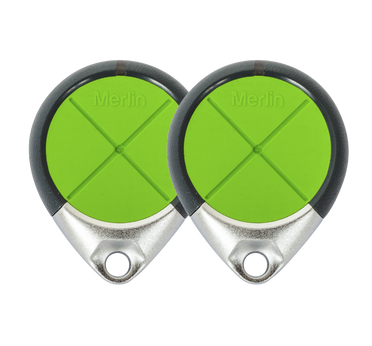
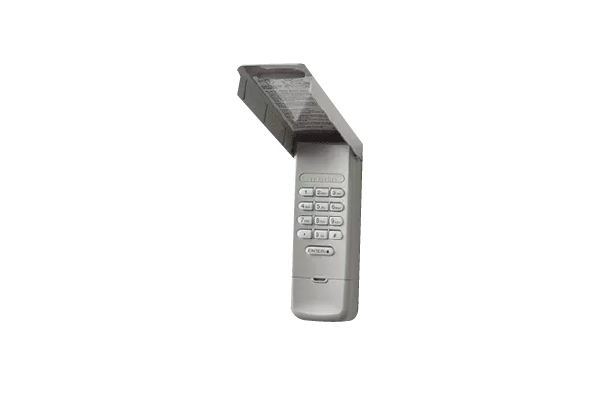
Write down who uses the garage, how many authorised controls are required, whether a wall control is useful and whether the household has a particular reason to ask about connected access or a backup arrangement. These are conversation starters, not assumed inclusions. Merlin’s current product pages and manuals set out the functions available for each model and accessory.
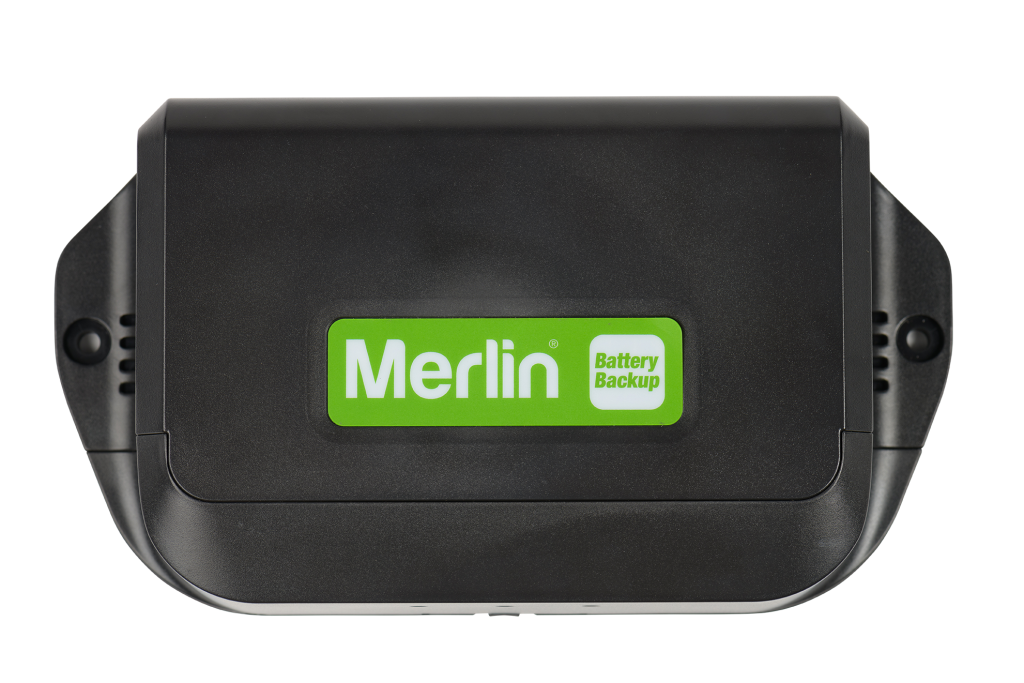
Ask for confirmation against the exact model before relying on a feature. Remote compatibility, connected services, battery arrangements and accessory options can vary by product and may change over time. Avoid making a purchase decision from an old brochure or a generic claim that every Merlin opener has the same functions. The model number and current documentation should govern the answer.
Consider everyday use and communication
An opener is part of an everyday access routine. Discuss who will operate it, where remotes will be kept and how visitors, tradespeople or family members should be admitted. Keep portable controls out of sight in unattended vehicles and away from children. Anyone operating the door should have a clear view of the opening and wait until normal movement is complete.
An alert, sound or connected control does not replace visual supervision of the door. No one should walk or drive beneath a moving door, and children and pets should remain outside its travel area. These habits are relevant before installation because they influence where controls are placed and how the household uses the garage after handover.
Ask how the door and opener will be assessed together
A useful installation discussion covers the door’s condition, the mounting arrangement, available clearances and the intended Merlin model. Ask what is included in the assessment, what existing equipment would remain and whether any separate preparation is needed. If the door is existing, ask what must be resolved before automation can proceed. This is clearer than asking for a universal compatibility promise.
Do not adjust springs, guides, drums, cables, brackets, travel limits or electrical connections to “prepare” a roller door for an opener. Do not buy a motor based on a claimed door weight without a professional suitability check. These components and measurements are part of a working system, and an incorrect assumption can affect operation and safety.
Plan for documentation and support after handover
Keep the Merlin model, user manual, warranty information and service records with the property paperwork. The manual is the reference for ordinary user information and model-specific support. It also makes a future remote, accessory or service enquiry more efficient because the equipment can be identified precisely.
Ask the installer which owner-care information applies to the completed installation and what changes should prompt a service call. A new noise, uneven travel, unexpected reversal, visible damage or unreliable operation should be assessed rather than solved with a generic setting change. Keeping this boundary clear protects both the door and the people using it.
Sources and support
Merlin’s homeowner support page provides current manuals and model-specific help, while its product support centre lists current resources. For a site-specific discussion, see contact Eastern Garage Doors.