






New Garage Doors
Before Your New Garage Door Is Installed: A Homeowner Checklist

Jan
Reviewed and updated: 14 October 2026
Preparing for a new garage door installation is mostly about clear access, accurate site information and timely questions. It is not a set of mechanical tasks for the homeowner. The installer still needs to assess the opening and confirm the scope, but a prepared household can reduce avoidable delays and make the handover more useful. Use this checklist to organise the site and the information, then leave door, spring, electrical and opener work to the installation team.
Confirm the agreed scope before the day
Keep the written quotation, door description, proposed opener details and any correspondence about the opening together. Read them for the practical questions: which opening is included, what existing door or equipment remains in scope, what preparation has been discussed, and who will be available to confirm access on the day. If anything has changed since the site visit, tell the installer before installation rather than assuming it will be resolved on arrival.
Do not rely on a fixed duration, a generic online price or an image of a similar garage as a promise about your installation. Doors, openings, structural conditions and access arrangements differ. Ask the provider to clarify any uncertain item in writing. This is particularly useful when replacing an older door, changing the use of the garage or combining door work with building renovations.
Clear the approach and the work area
Move vehicles, bins, bicycles, boxes, tools and loose floor items away from the driveway, opening and internal working area. Make a clear route to the garage and point out any narrow access, steps, low overhead features, pets, locked gates or shared-driveway arrangements. The purpose is safe site access, not to make mechanical alterations to the existing door.
Keep children and pets out of the work zone. If the garage is used for storage, decide in advance where items can sit temporarily without blocking an exit or creating a trip hazard. Do not place possessions beneath a door, opener rail or planned work area. A clear space also makes it easier to discuss an existing concern without people climbing around stored goods.
Give the installer current site information
Tell the installer about recent changes: a new ceiling lining, shelving, solar equipment, building works, electrical work, drainage changes, pest treatment or damage around the opening. Mention a prior impact, abnormal door movement or water entry only if it is known. These details can affect the assessment even when they seem unrelated to the finished appearance of the new door.
Take broad photos of the existing opening if requested, but do not remove covers, measure spring hardware, disconnect power or dismantle an old door to obtain information. An on-site professional must determine the relevant measurements and conditions. A homeowner’s useful contribution is a factual record of what has changed, not an attempt to diagnose the existing system.
Plan ordinary access while work is underway
Consider parking, pedestrian access, deliveries and the need to enter the home while the garage is unavailable. Let household members know the installation window supplied by the installer and arrange an alternative entry if needed. If there is a separate gate or internal door, make sure it can be used without crossing the work area.
Do not attempt to create extra access by forcing the existing garage door open, using a manual release or changing settings. If an existing door is stuck, partly open, damaged or behaving unpredictably before the appointment, report that position as soon as possible. The installer can advise on site access and whether the scope or timing needs to be reconsidered.
Prepare for an informed handover
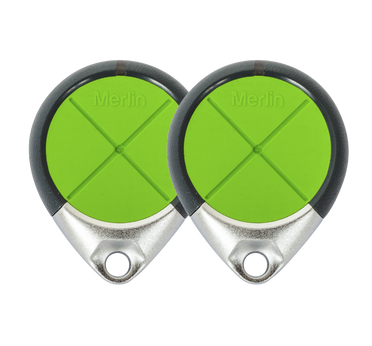
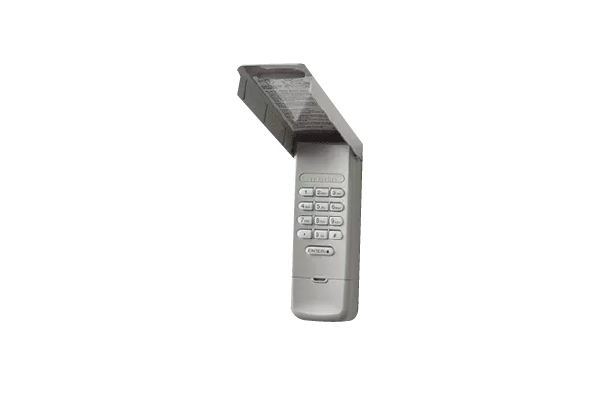
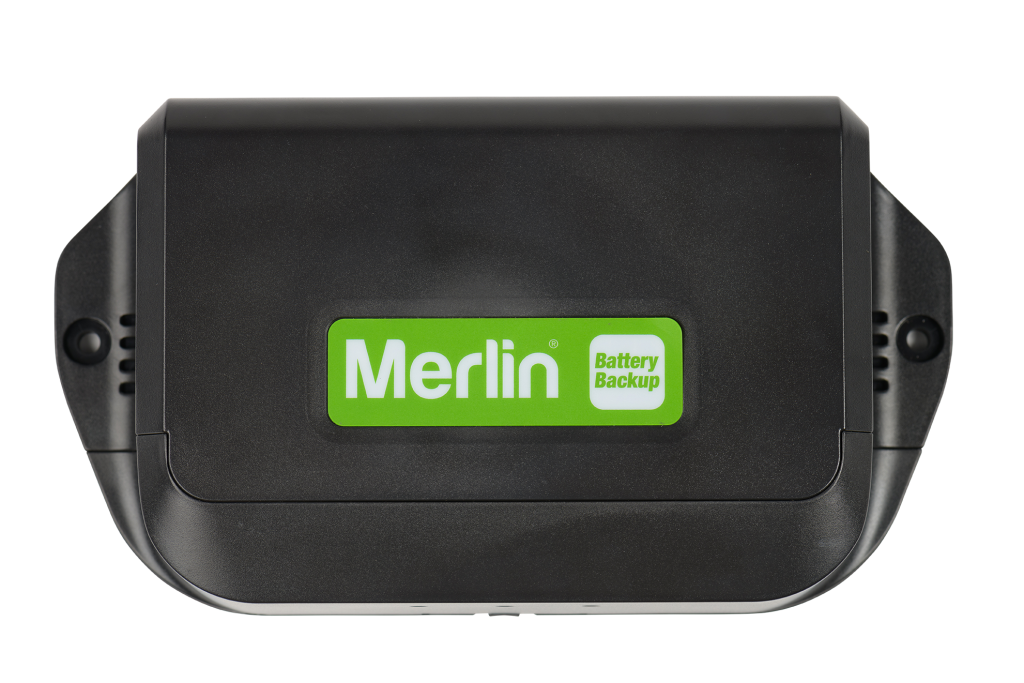
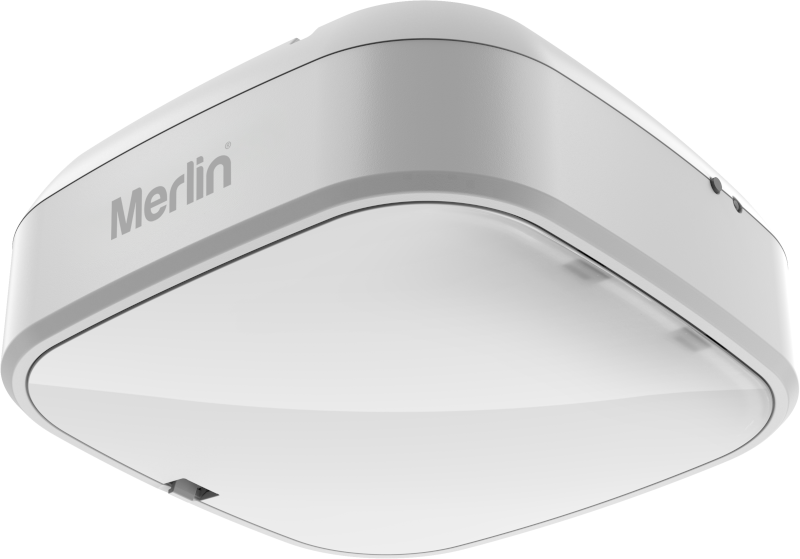
Choose an authorised adult who can be present for the handover and receive the relevant documents. Ask for the door and Merlin opener model details, user manuals, remote or accessory information, warranty material and any care guidance that applies to the completed installation. Keep them with property records rather than relying on a photograph of a remote or an old invoice.
Ask the installer to explain normal operation, who should operate controls, and what changes should prompt a service call. The person using a remote or wall control should be able to see the opening and wait for normal movement to finish. Remotes should be kept away from children and out of sight in unattended vehicles. A connected feature, if fitted, does not replace a clear view of the actual door.
Know which questions need future support
After installation, use the exact manual for ordinary model-specific information. Merlin’s homeowner support page can help with current manuals, compatible controls and support resources. For a new noise, visible damage, uneven movement, unexpected reversal or a door that does not operate normally, stop use where appropriate and arrange professional advice rather than adjusting settings or hardware.
A clean handover record supports future decisions. Note the installation date, installed models, documents received and any instructions that are specific to the site. Follow the inspection and servicing schedule supplied for the installed equipment, including any requirements relevant to its warranty. Keep that schedule with the handover record so a change of owner or household member does not interrupt planned maintenance.
Sources and support
For installation and service enquiries, see contact Eastern Garage Doors or servicing and repairs. Merlin’s homeowner support page provides current model-specific documentation.