






Repairs & Maintenance
Repair or Replace Your Garage Door? Questions to Ask First

Jun
Reviewed and updated: 14 October 2026
When a garage door develops a problem, “repair or replace?” is often the first question. It is rarely the first question that can be answered reliably. The door’s condition, the cause of the fault, suitable parts and the way the garage is used all need to be understood. Start by asking what has failed and what each proposed option would actually change. Age, appearance or a single repair price cannot make the decision on their own.
Deal with an unsafe door before comparing options
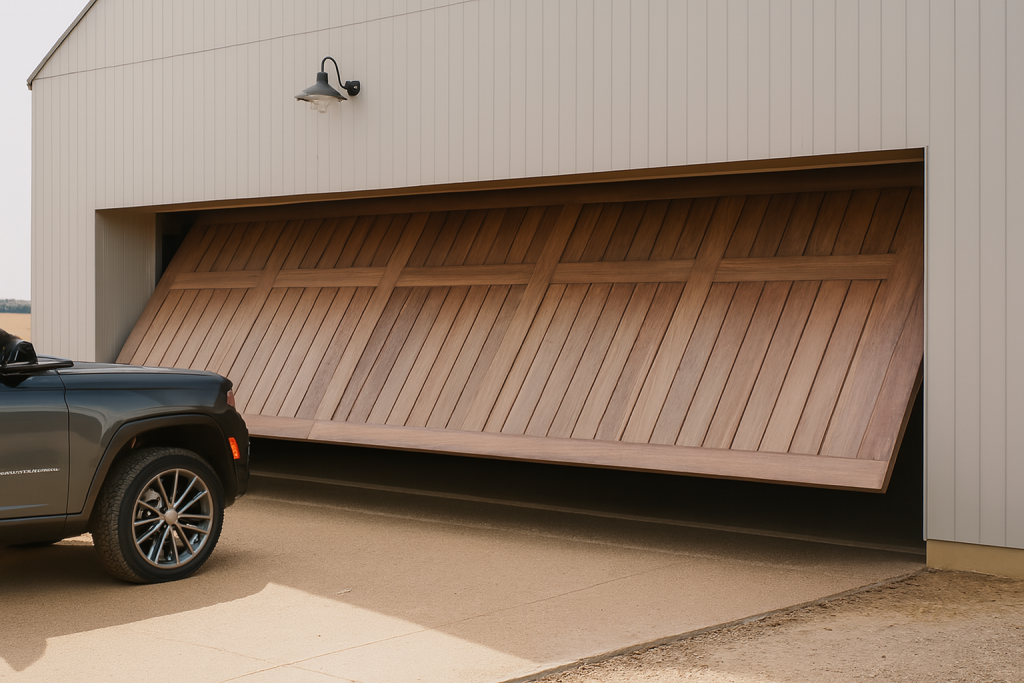
A door that is crooked, unstable, damaged after an impact or behaving unpredictably should be left alone while professional advice is arranged. Keep the opening clear and explain its current position when you call. Do not repeatedly operate it, try to straighten it or release it to see whether the fault is in the opener. That can turn a decision about future work into an immediate safety problem.
Arrange another access or parking option where possible. Being under pressure to get a car out can make any promised quick fix seem attractive, but urgency does not establish which work is appropriate. Ask what can be done safely now and what needs a separate assessment or quotation. Temporary access planning and the final repair decision are related, but they are not the same task.
Ask for a diagnosis tied to the actual door
Describe the symptom and let the technician identify its cause. A noisy door does not automatically need a new opener, and an unreliable remote does not automatically mean the door must be replaced. The assessment should distinguish the moving door, its supporting components, the opener and the controls. More than one part of the system may need attention.
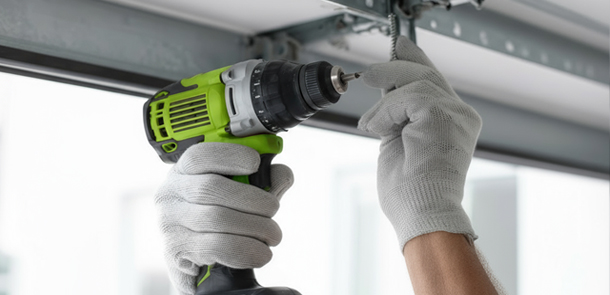
Ask what has been found and which observations support the recommendation. If parts are proposed, request the names of the components and the reason for replacing them. You do not need to become a repair technician to ask for a clear explanation. What matters is understanding why the recommended scope addresses your reported problem and whether any concern remains outside that scope.
Compare complete scopes rather than headline prices
A repair quotation and a replacement quotation may include very different work. Ask what is retained, what is removed, which parts are supplied and whether adjustments to the opening or electrical supply are outside the garage-door quote. For replacement, clarify whether the opener, controls and safety equipment are included or assessed separately.
Check whether disposal, site access and any additional visits are addressed. Do not assume that the lower total is better value if it leaves essential work unresolved, or that the higher total includes every accessory shown in a brochure. Put the two scopes beside each other and ask about unexplained differences before deciding. A written comparison is particularly useful when several household members are involved in approval.
Consider the condition of what would remain
A repair restores or replaces the parts specified in that job. It does not make every retained component new. Ask what the technician can say about the rest of the installation and whether other work is already recommended. Be clear about the limits of that assessment: nobody can promise that an older door will never need another repair.
Replacement also deserves questions. An existing opening, structural support or power arrangement may still need assessment even when a new door is being installed. If you want to retain a Merlin opener, have its condition and suitability confirmed for the proposed door. A working motor is not automatically the correct match for a different door type, size or operating arrangement.
Include the household’s future use
Think about changes that matter to the decision. A different vehicle, a new storage layout, more frequent daily access or a household member who needs easier controls can affect what you want from the garage. Tell the assessor about these plans before selecting equipment. They may influence the proposal without requiring a replacement in every case.
Appearance can be part of the decision too, but separate cosmetic preferences from operational needs. A dent, colour change or outdated style does not by itself establish a safety fault. Conversely, a door that still looks tidy may have an operating problem. Keeping those concerns separate helps you decide which work is necessary and which improvement you are choosing for your own reasons.
Make the decision with the uncertainties visible
Ask what is known, what still needs checking and what could change the quoted scope. Parts availability may matter, but it should be confirmed for the particular door rather than inferred from an arbitrary age or number of damaged panels. Ask for current warranty terms for the proposed work and equipment, including any conditions you need to understand.
Keep the final scope and assessment together. If you choose a repair, record what was retained as well as what was changed. If you choose replacement, keep the new product details and operating instructions. Eastern Garage Doors provides garage door servicing and repairs and can assess the installation before discussing an appropriate next step. A sound decision is one you can explain from the actual findings, rather than a rule of thumb borrowed from another garage.
To discuss your garage door, contact Eastern Garage Doors with the door type and the question you would like assessed.