






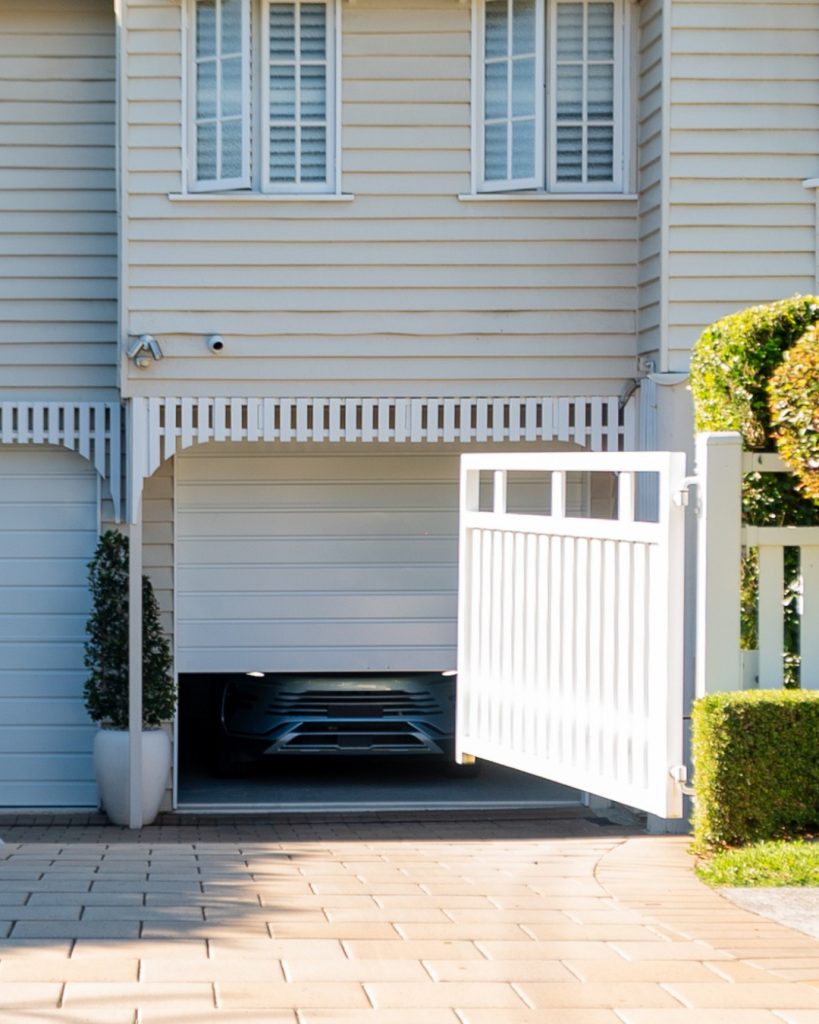
Garage Door Openers & Remotes
How to Choose a Merlin Garage Door Opener That Suits Your Door

Nov
Reviewed and updated: 14 October 2026
Choosing a garage-door opener begins with the door and opening already at the property. An opener is not a generic household appliance: its suitability depends on the door type, its condition, the available space and the equipment’s documented compatibility. Start with a clear description of what is installed, then use current Merlin information and a professional assessment to narrow the choices.
That approach avoids two common mistakes. The first is selecting by a feature list before confirming that an opener suits the door. The second is assuming that a newer motor will correct an underlying door fault. A proposed opener should be considered alongside the condition and movement of the door itself.
Identify the existing door
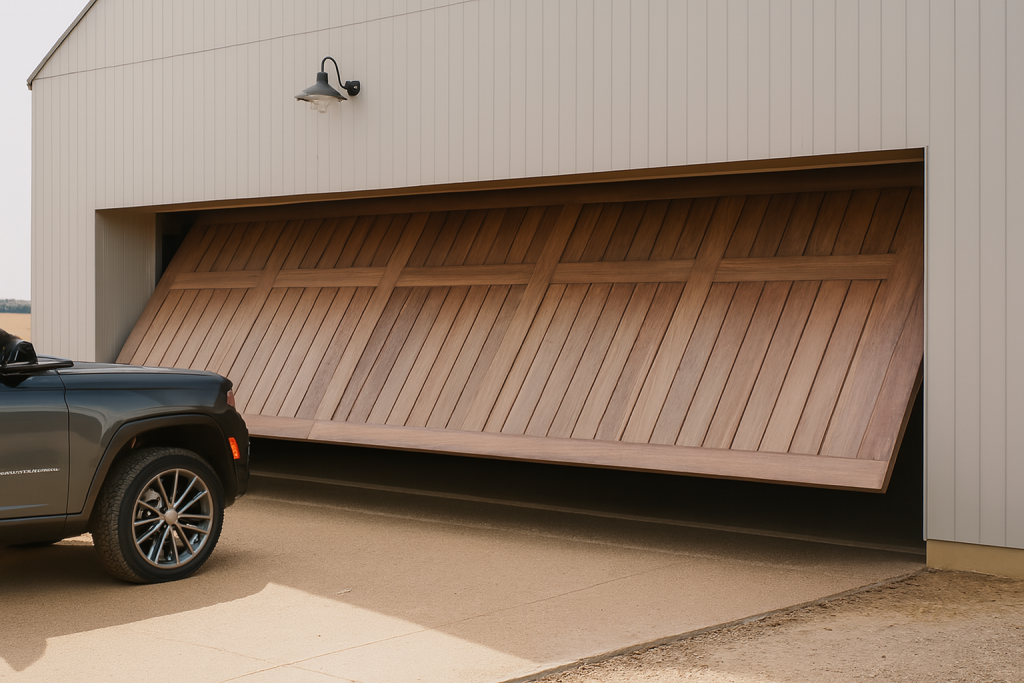
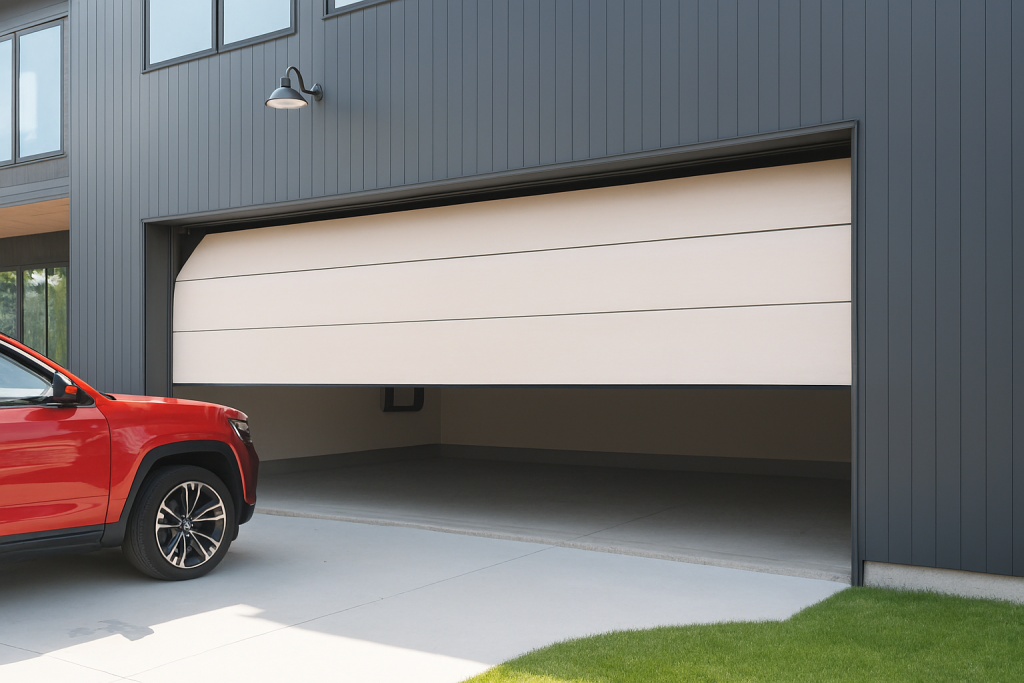
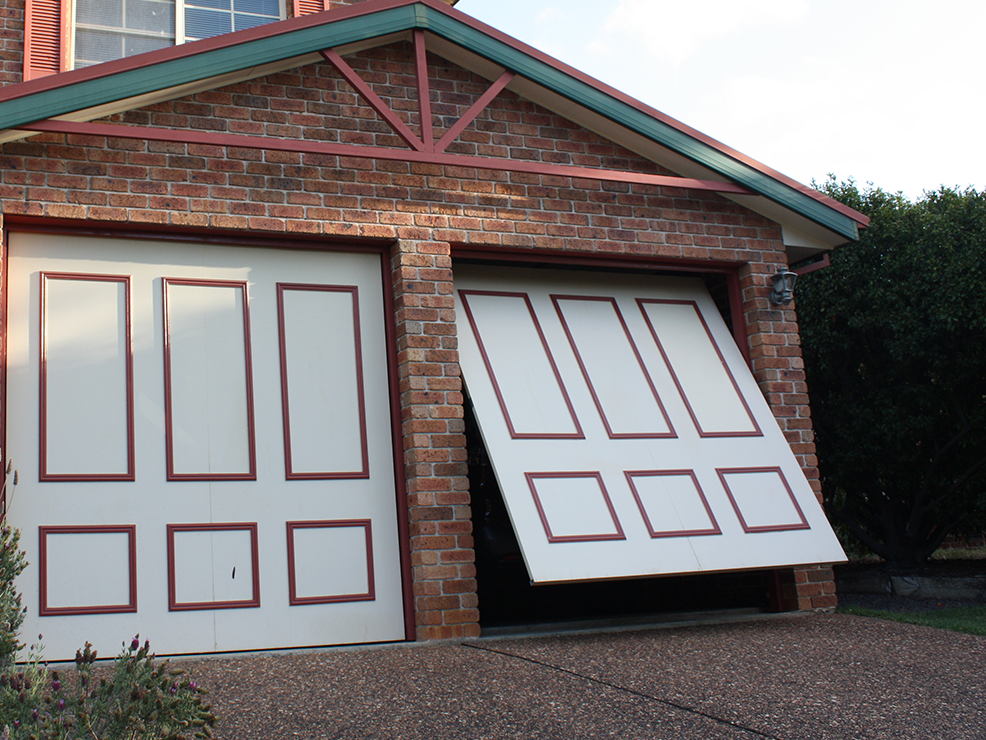
Record whether the door is roller, sectional or tilt, and take clear photos of the opening, inside of the garage and any existing motor label. Note the opening width and height only as information for the assessment; do not treat a rough tape measure as proof that a particular product fits. The way a door moves and the clearance around it matter as much as its visible face.
Also describe its present condition. Uneven movement, damage, scraping, new noise or a door that does not operate normally should be assessed before an opener decision. Do not use a replacement motor as a shortcut around a door problem, and do not adjust springs, cables, tracks or door hardware while gathering information.
Document the current equipment
If there is an existing opener, photograph the model label, controls and remote. Keep any manuals, invoice details and information about past repairs. This can help establish whether the question is a compatible replacement, a repair, a remote-access issue or a broader change to the system. Product names and appearance are not enough to establish compatibility.
Where Merlin equipment is involved, consult current Australian Merlin support and product information for the exact model. Product availability and accessories can change, and older equipment may use different arrangements from current models. A supplier should confirm the proposed combination rather than relying on an old online listing or a neighbour’s setup.
Explain how the garage is used
Tell the assessor whether the garage is used for one car, multiple cars, storage, a workshop or a daily household entrance. Mention ceiling storage, lighting, roof racks, taller vehicles and any renovation work near the opening. These details can affect access, clearances and the practical operation of the finished installation.
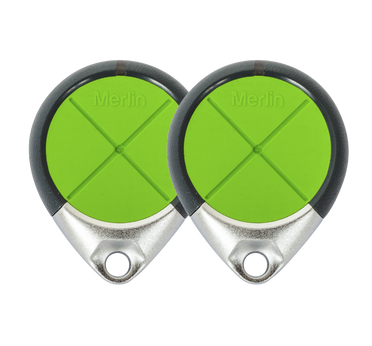
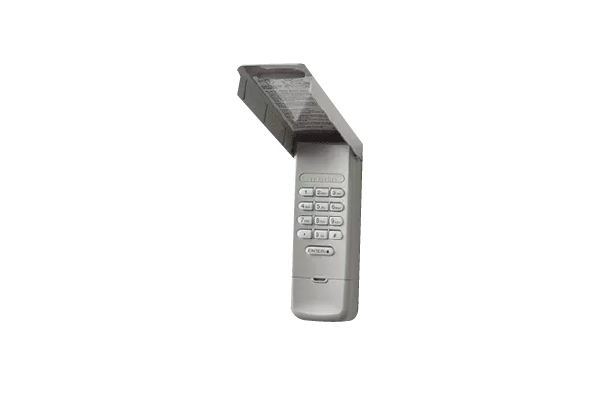
Access needs matter too. List the people who use the garage, the number of authorised remotes required and whether a wall control or a compatible smart-access option is being considered. Do not assume remote access, alerts or scheduling are available for every model. If a feature matters, ask for it to be confirmed for the exact proposed opener and setup.
Compare documented requirements
A useful quote identifies the equipment proposed, the door it is intended to serve and the work included. Ask what has been assessed at the opening, what existing components would remain, and whether any additional building, electrical or access work is outside the scope. Keep model numbers in the written proposal so the decision is traceable after an installation date is booked.
Ask about current owner information, operating controls and the process for a fault or lost remote. Avoid broad assumptions about power, warranty, safety or smart features. Those details depend on the current model documentation and the installation. A clear written explanation is more useful than an unspecified promise that an opener will suit every household.
Plan for safe use after installation
Before handover, make sure the people who will use the door understand the normal controls, where the manuals are kept and how access devices are accounted for. Treat remotes and any app account as keys: do not share passwords, record who has access and ask for model-specific guidance if a remote is lost. Keep children away from controls unless use is supervised.
Observe the door when it operates and keep the doorway clear. Stop using it if there is visible damage, abnormal movement or an unexpected response. Do not conduct tension, balance or manual-release experiments without appropriate guidance. A moving door needs space and attention, regardless of the age of the equipment.
Prepare a focused enquiry
A focused enquiry includes the door type, photos, opening context, existing opener model, desired access arrangements and any operating concern. It also notes details that may change the job, such as a new vehicle, ceiling storage or building work. This gives a technician a useful starting point without forcing a product decision before the door has been assessed.
Keep the decision evidence-based
Before accepting a proposal, check that it answers the questions you raised about the door, opening and access. If a requirement is important, such as a particular control or a change to how several people enter the garage, have it recorded in the scope. Do not infer that it is included because it appears in a brochure or an image.
Compare the proposed work against your property rather than a generic ranking of openers. A system that suits a different door, different ceiling space or a different household routine may not suit yours. Clear model information and a site-specific assessment support a considered decision.
Eastern Garage Doors can discuss a Merlin opener assessment for the door and access needs at your property. Contact the team with the model details and photos you have collected.