








Automatic Gates
Planning an Automatic Gate: What to Check Before Installation

Nov
Reviewed and updated: 14 October 2026
Planning an automatic gate is an exercise in understanding an entrance before selecting hardware. The first questions are physical: what moves through the gateway, where vehicles wait, where a gate could travel, and who else uses the area. A gate may be a familiar part of the driveway, but automation adds operating and access questions that deserve an on-site conversation.
Map the entrance before selecting equipment
Sketch the daily pattern in plain language. Note how cars approach from the street, where they pause, the vehicles most often used, and any time when two vehicles need to pass. Include visitors, deliveries and any separate pedestrian entry. These habits can reveal constraints that are invisible in a front-on photograph.
Check the movement zone
Then look at the movement zone. A sliding gate needs an unobstructed route beside the entrance; a swing gate needs room through its opening arc. Ground level, drainage, posts, retaining walls, trees and parked vehicles can alter what is practical. A site inspection tests those relationships without the owner adjusting tracks, hinges or operator settings.
Decide how access should work
Access is a planning issue in its own right. Discuss how people enter when they are on foot, how the household would access the property if normal automated operation were unavailable, and what control arrangements are actually needed. If a Merlin product or accessory is considered, model compatibility and site suitability must be verified for the specific installation.
Read the scope before accepting it
Ask for the final scope to spell out the gate movement, access arrangement, items included, exclusions and operation information. This gives you a basis to compare a proposal with your requirements without relying on assumptions about a standard package.
Give pedestrians a route of their own
A driveway gate is not automatically a convenient pedestrian entrance. Think about someone arriving with shopping, a visitor who has never used the controls and a child returning from school. Ask whether a separate pedestrian gate is appropriate and how each entrance will be controlled. Avoid designing a routine that depends on a person slipping through beside a moving vehicle gate.
Make the route understandable from both sides of the boundary. A visitor should know where to wait and how to contact the household without entering a gate’s travel area. Discuss the location of any intercom, keypad or wall control with the installer. Accessibility is about where people stand and reach as well as which device is selected.
Check the waiting position for vehicles
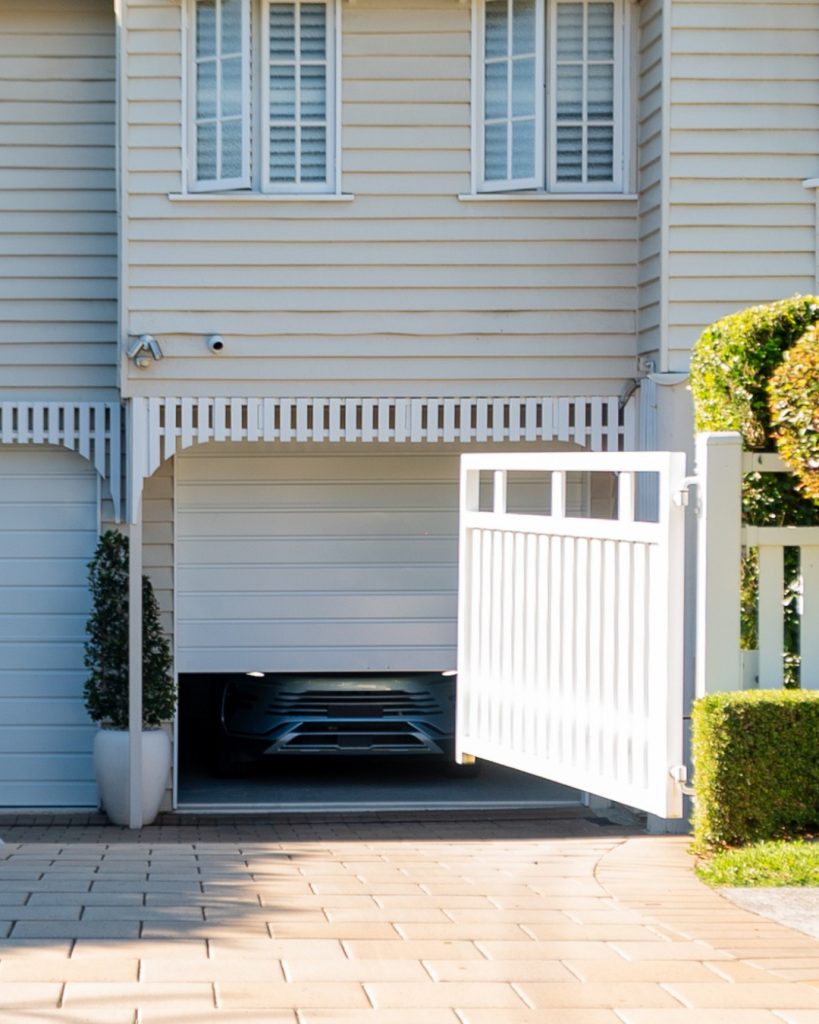
Where does a driver stop before the gate opens? Consider the actual driveway, the vehicle’s length, the footpath and the driver’s view. Do not assume a more powerful or faster motor solves a poorly positioned entrance. The site assessment should consider the full arrival and departure movement, including any separate garage door beyond the gate.
If two households share access, agree on how visitors and deliveries will be handled. One resident’s remote preference may not suit everyone using the driveway. Record who manages access, who can request an additional control and whom to contact if the gate cannot be used. These administrative decisions help the equipment serve the people who need it.
Keep landscaping out of the moving system
Tell the installer about planned paving, garden beds, irrigation, fencing and lighting. A gate selected before those changes needs to be assessed against the finished layout. A sliding gate’s run-back space should not later become a storage area, and a swing leaf’s travel area should not become a parking position. Ask for the required clear areas to be explained at handover.
Include ordinary garden maintenance in that conversation. Ask which areas the owner may safely keep clear and what isolation procedure applies to any permitted cleaning. Do not reach through a gate, work beside drive components or sweep a track while the system can move. Gate hardware and electrical settings belong with the qualified person responsible for that equipment.
Specify safety and power with the equipment
Safety devices must suit the complete gate installation. Ask what hazards the installer has assessed, which protective devices are proposed and how safe operation will be demonstrated. The presence of a beam does not make the gate travel area a safe place to stand. Keep people clear during operation and report unpredictable movement promptly.
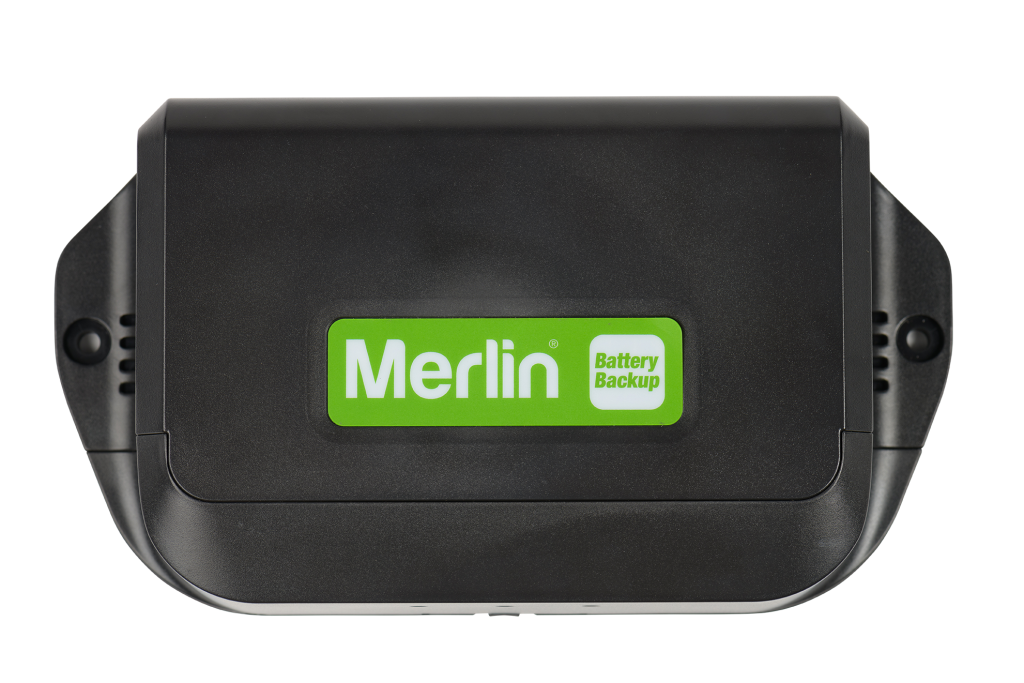
Ask where power will come from and whether electrical work is included or arranged separately. If a battery or other backup arrangement is proposed, confirm the exact product combination and its operating limitations. Do not assume a backup keeps every feature available or makes a damaged gate safe to use. Product compatibility and the practical access plan need separate answers.
Plan for a gate that is temporarily unavailable
A power interruption or mechanical fault should not be the first time the household considers alternative access. Ask the installer to explain the documented release arrangements, who should use them and when the gate must remain untouched. A released gate can have movement risks that depend on its construction, slope and exposure; a generic internet sequence is not an operating instruction.
Keep the accepted scope, model information, manuals and access records together. At handover, confirm which controls belong to which entrance and how to report a fault. Eastern Garage Doors’ automatic gate information provides a starting point for discussing the property, while Merlin’s Australian support provides model-specific resources where Merlin equipment is proposed.
To discuss your entrance, contact Eastern Garage Doors with photographs, the driveway layout and the access needs of the people who use it.