






Safety & Security
Before You Go Away: A Garage and Driveway Security Checklist

Nov
Reviewed and updated: 14 October 2026
Going away is a good time to simplify garage access and check the door’s visible condition. A checklist cannot guarantee that a property will be secure, and lights, cameras or locks do not prevent every incident. It can, however, help a household avoid leaving an obvious access issue unresolved and make it easier to know who is responsible while the home is empty.
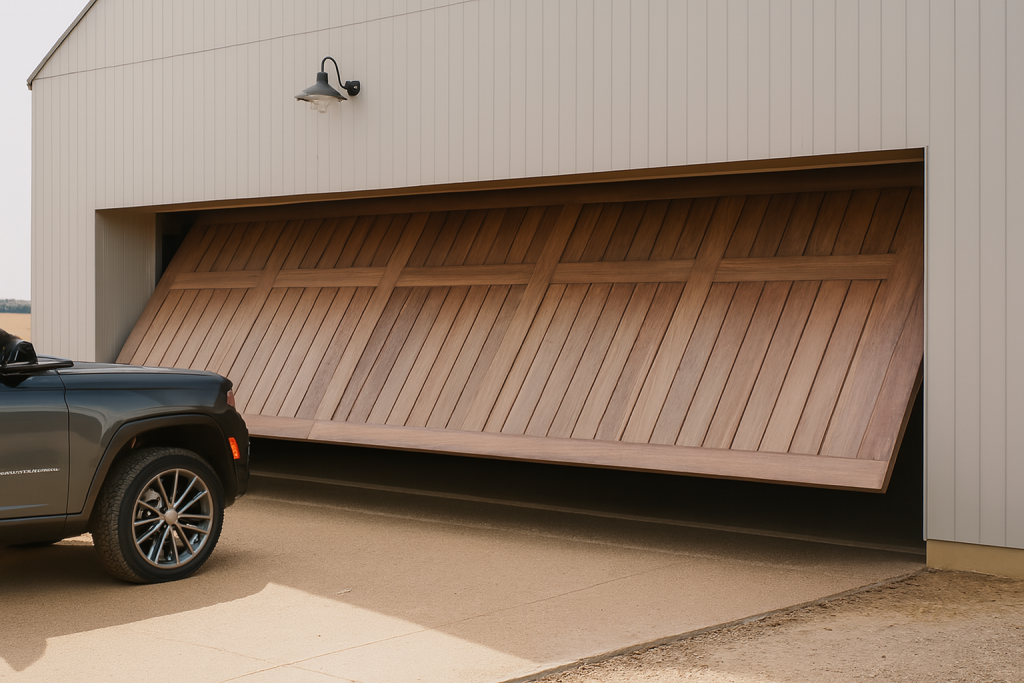
Complete the check while there is still time to arrange advice if something is not operating normally. Avoid turning a departure-day checklist into a do-it-yourself repair session. A garage door that is damaged, partly open or moving unevenly needs a safe assessment rather than repeated testing.
Observe the door before the trip
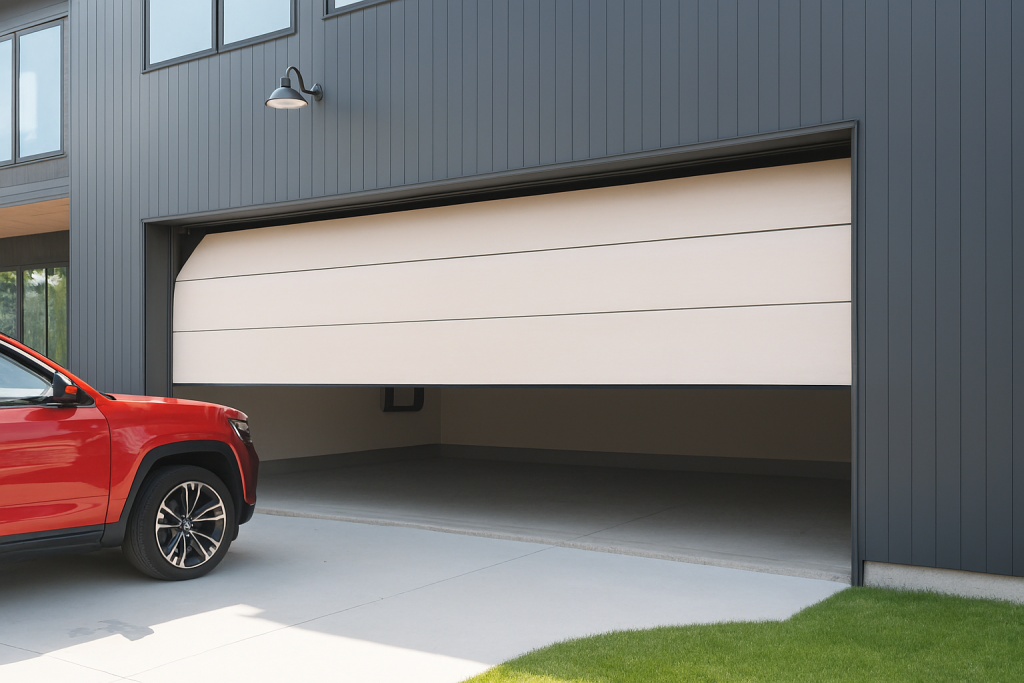
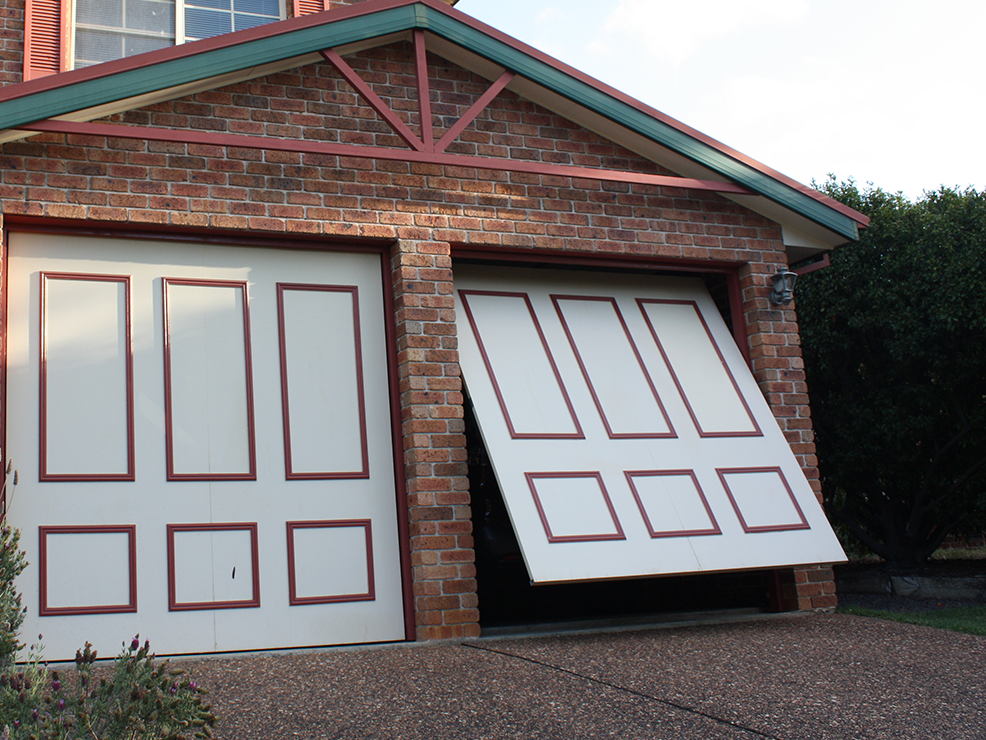
Operate the door as normal while watching it from a clear position. Notice whether it closes fully, moves evenly and sounds as expected. Look for visible damage, loose material, gaps around the opening or objects that could obstruct its path. Photograph a new mark or concern from a safe distance so it can be described accurately if help is needed.
Stop using the door if it behaves abnormally. Keep vehicles and people clear, and do not work beneath a partly open door. Do not adjust springs, cables, tracks, brackets or opener settings. Explain the door’s position and the observed change when booking professional advice.
Account for remotes and access
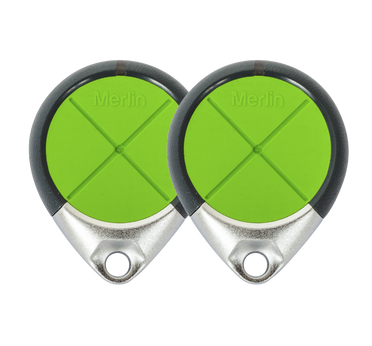
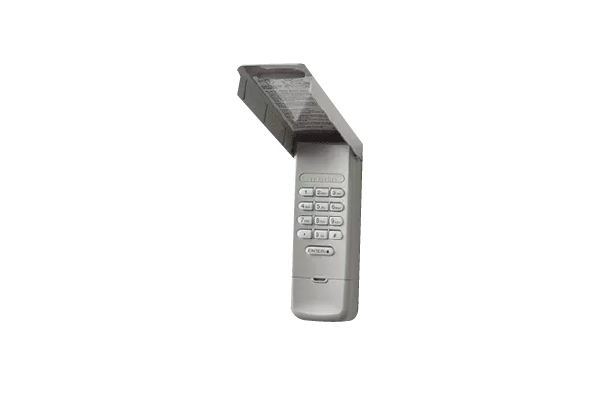
Make a list of authorised remotes, keys, wall controls and app users. Take unnecessary remotes out of vehicles that will remain outside, and store household spares in a considered place rather than leaving them visible in a car. If someone will check the property, agree on the access method before leaving and avoid sharing an owner password when a limited authorised arrangement is available.
Treat a lost remote or unfamiliar access request as something to resolve before travel. Do not give codes, passwords or verification messages to an unknown caller. Where Merlin equipment is installed, seek current model-specific support rather than following generic reset instructions that may remove access for others.
Clear the doorway and driveway
Move bikes, bins, parcels, tools and loose storage away from the garage-door path. A clear operating area reduces the chance that a helper or returning household member encounters an obstruction. It also makes any later visible change easier to notice. Check that a parked vehicle does not prevent the door from being observed or accessed safely.
If the driveway will be used by a neighbour, pet sitter or visitor, explain the household rule for vehicles and children: pause, look around the driveway and keep people clear while a car or door is moving. A routine that is understood before departure is more reliable than instructions sent in a hurry.
Review the surrounding property
Walk around the exterior and note anything that needs ordinary attention before you leave, such as a gate that does not latch as expected, a pile of materials beside the garage or a damaged exterior fitting. This is about recording condition, not promising that any single feature will secure a property. If a camera or exterior light is installed, check its normal operation in accordance with its own instructions.
Keep a contact list for a trusted local person, relevant service providers and emergency services. Give the trusted person enough information to identify a genuine issue, but do not distribute private account credentials or access codes. Decide in advance who may authorise non-emergency work if the household cannot be reached.
Set realistic access arrangements
A garage often becomes an informal delivery, storage or entry point. Before leaving, decide whether anybody truly needs access. Fewer access arrangements are generally easier to account for. If a property sitter needs entry, give clear directions about parking, the door’s normal behaviour and what to do if it does not close or open normally.
Ask them not to force the door, attempt a manual release or make settings changes. An unexpected fault needs a description and a safe response, not an improvised solution. A short instruction to keep clear of the door and report the position it stopped in can prevent a small issue becoming a more difficult one.
Return with the same care
When you return, look around the driveway and garage before using the opener. Check the door’s visible condition and remove any objects from its path only when it is fully stationary. If a neighbour or sitter has reported an issue, do not assume it has resolved because the door appears closed. Take the report seriously and arrange advice if needed.
Leave clear information for a helper
If somebody will visit the property, give them a contact number and a simple explanation of normal garage use. They should know not to stand beneath a moving door, force an unusual control or clear an obstruction while the door is in motion. Ask them to report any change promptly, including a door that will not close normally.
A photo of the model label and a note of the door type can be more useful than a vague description if an issue arises. Keep that information in a private place with property records, not on a public notice or beside access codes.
Eastern Garage Doors can help assess a garage door that has developed a visible or operating issue before or after travel. Contact the team with the door type, current position and the change observed.