






Repairs & Maintenance
How to Choose a Garage Door Repair Service in Melbourne’s Eastern Suburbs

Nov
Reviewed and updated: 14 October 2026
When a garage door stops working normally, finding help can feel urgent. The quality of the first conversation still matters. A useful repair enquiry establishes the door’s present condition, whether it should remain out of use, what the visit involves and how proposed work will be authorised. You do not need to identify a failed part before making that call.
Describe the problem in terms you can verify
Begin with what you saw or heard during ordinary use. A door that rises unevenly, stops halfway, makes a new grinding sound or no longer responds to a control gives the repair team a different starting point from a general statement that the motor is broken. Mention whether the change was sudden, intermittent or gradual. Include an impact, outage or recent building work if one occurred, without assuming it caused the problem.
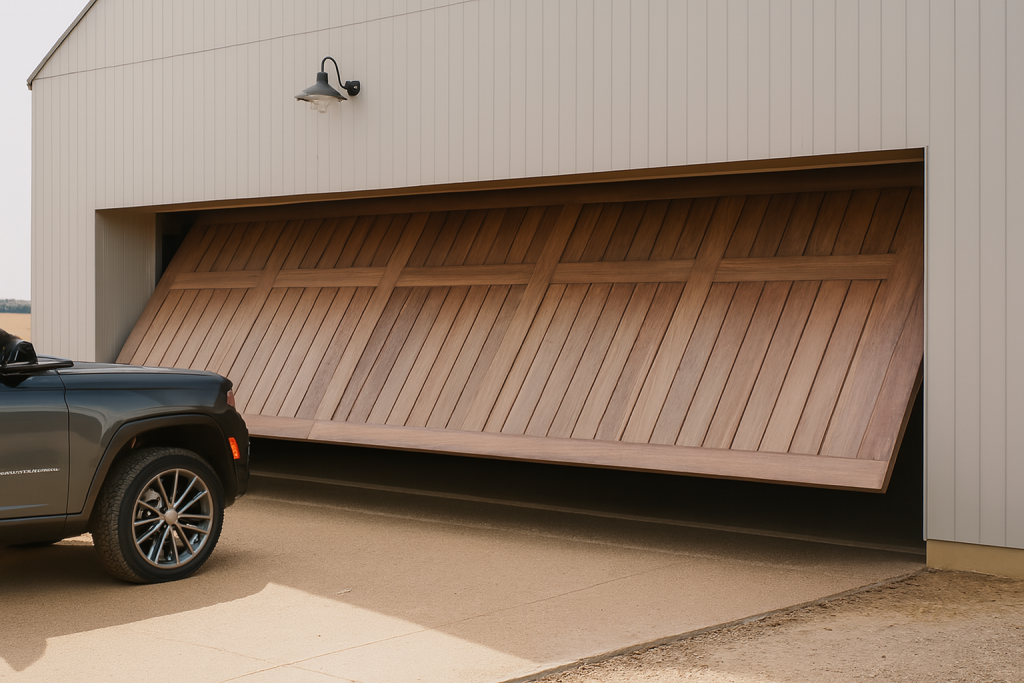
State where the door is now. An open, damaged or partly raised door has different access implications from a stable closed door. Tell the team if a vehicle is trapped inside or the garage is the usual entrance to the home. Do not keep operating the door to produce a clearer description. Existing observations are enough to begin an enquiry, and the technician can establish what needs to be inspected.
Confirm that the enquiry matches the work offered
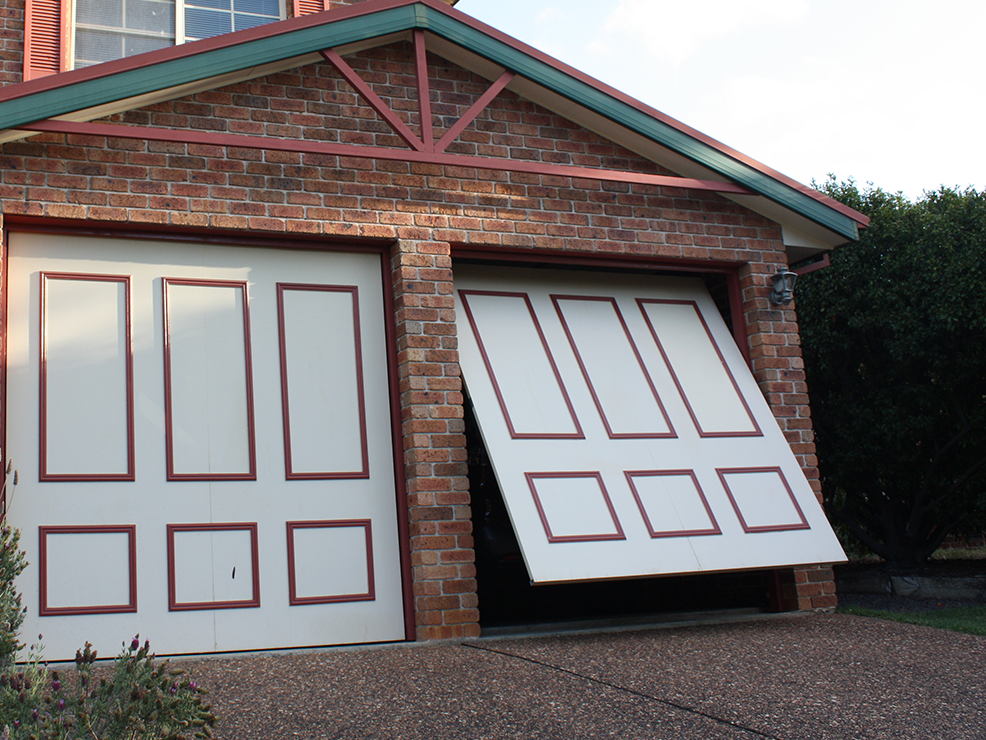
Give the suburb and identify the door type if you know it: roller, sectional or tilt. Mention whether the issue involves the garage door, a separate automatic gate or a remote control. These distinctions help keep the booking focused. An enquiry about a broken remote does not necessarily describe a door repair, while a damaged door cannot be assessed solely by choosing a replacement handset.
Eastern Garage Doors lists garage-door servicing, repairs and installations for Melbourne’s eastern suburbs. Ask the team to confirm the service arrangement for your address and reported condition. Explain unusual access, a shared driveway or restrictions on when the property can be entered. A location inside a general service area should not be treated as a promise of a particular appointment time or immediate availability.
Ask what the initial visit includes
Clarify whether you are arranging an assessment, a service or a repair visit, and what information is needed before it is booked. Ask how any attendance or assessment charges are explained and when a price for further work will be provided. Do not assume that a website enquiry, a verbal discussion and an accepted repair quote are the same stage of the process.
It is reasonable to ask which parts of a recommendation can be made from your description and which depend on inspection. A photo may show an impact mark, but it cannot establish the condition of every supporting component or the cause of an intermittent fault. Keep expectations tied to what has actually been inspected. This reduces the chance of treating an early possibility as a confirmed diagnosis.
Make the approval boundary clear
Before work begins, agree who can approve the proposed scope and how that approval will be recorded. This is particularly useful if a tenant, relative or property manager will provide access while the owner is elsewhere. Give the relevant contact arrangement rather than expecting the person opening the property to make technical or spending decisions they have not been authorised to make.
Ask for the proposed work to identify the affected door or equipment, the repair or replacement being recommended and any exclusions. If further damage is discovered, establish how a revised scope will be discussed. An understandable written description helps you separate essential repair work from optional changes, such as extra controls or a different access arrangement. It also creates a useful record for later support.
Keep product questions specific
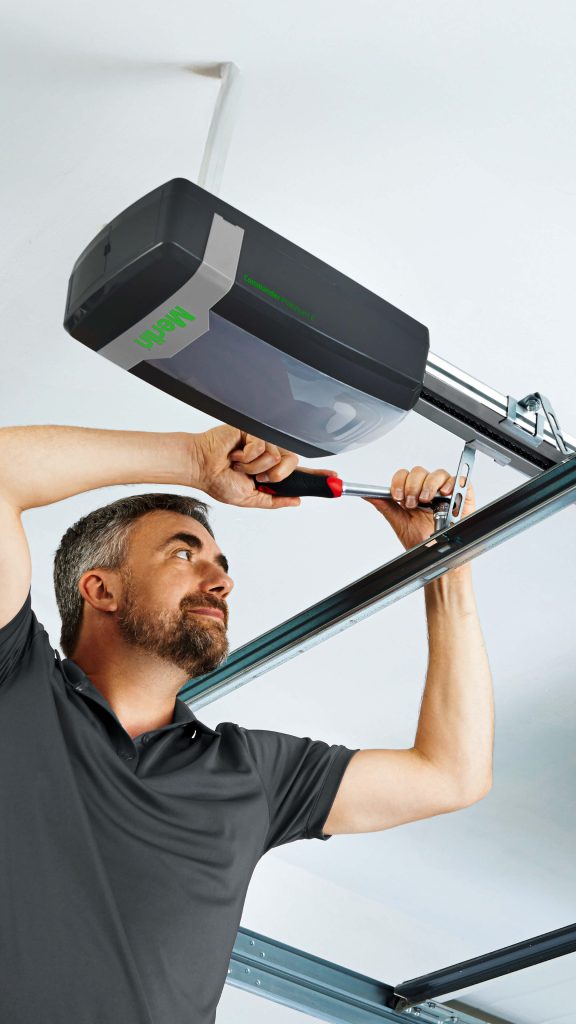
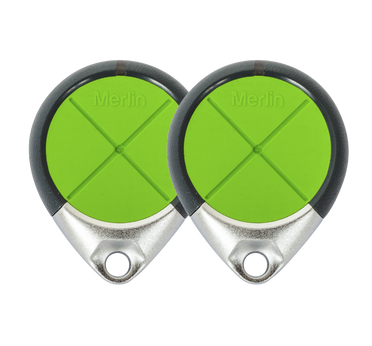
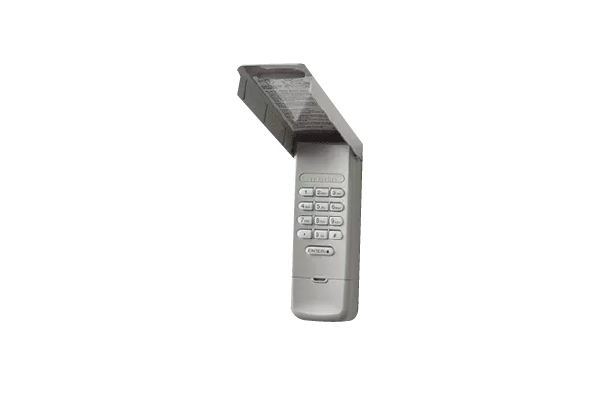
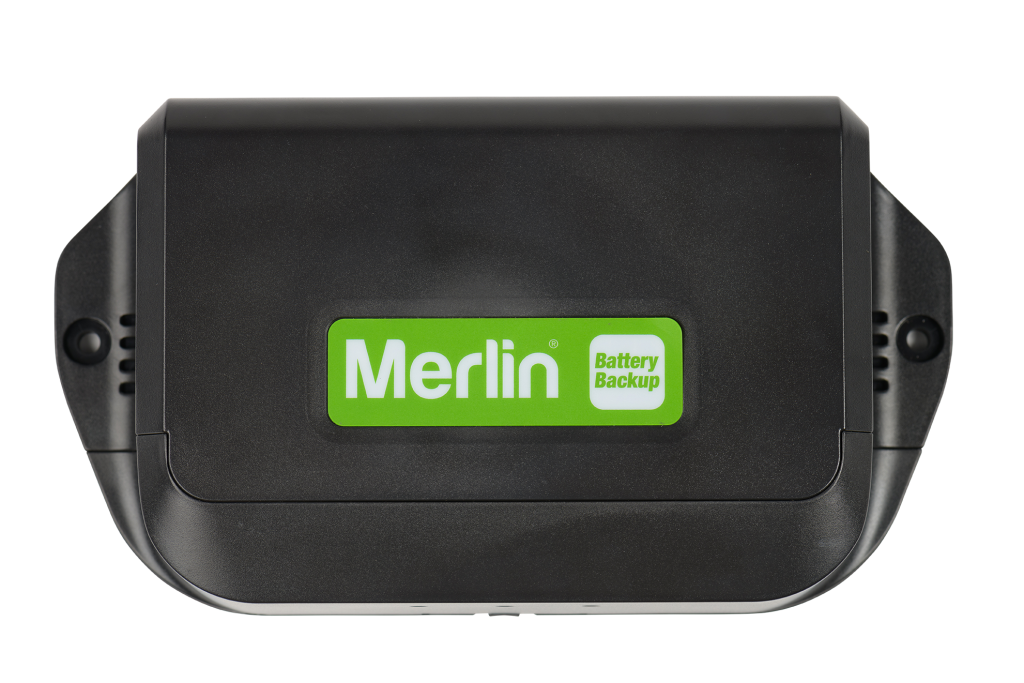
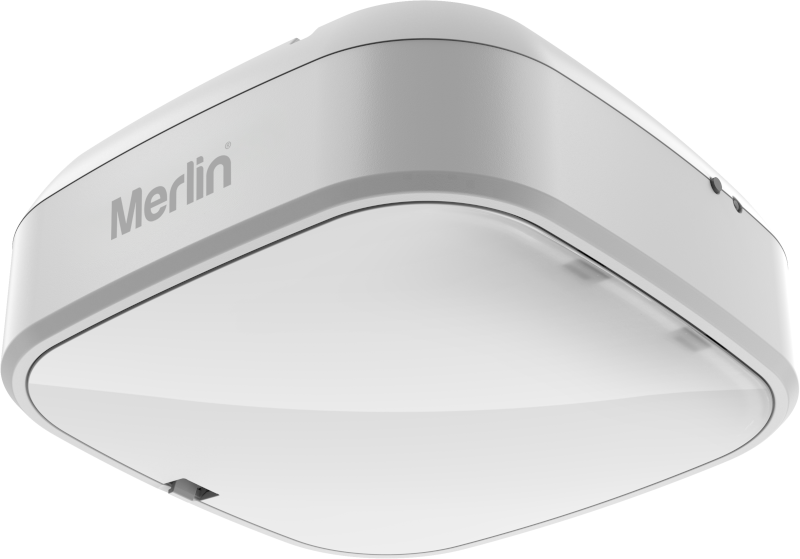
If the recommendation includes Merlin equipment, record the exact model and the reason it suits the door. A replacement opener, remote, battery accessory and smart gateway involve different compatibility questions. Ask what current product information supports the proposed combination. Avoid making a selection merely because a familiar logo appears on both the old and new items.
Keep the door’s condition separate from the opener choice. A motor change does not remove the need to assess a door that is damaged, uneven or difficult to operate. Ask which conditions were found, how the proposed work addresses them and whether anything remains outside the repair scope. Clear explanations are more useful than broad assurances that a newer product will solve every problem.
Prepare without disturbing the fault
Gather existing manuals and service records if they are readily available. Take photographs only from a safe position. Move ordinary loose belongings away from the approach if that can be done without entering the door’s path. Leave items caught in the mechanism alone and explain the obstruction when you call. Preparation should make the visit easier without changing the door’s condition.
Do not loosen brackets, adjust springs, move cables, alter force settings or disconnect a suspect door to test it. Keep other users informed that it is out of service. If it is the usual route into the house, arrange another safe entrance while advice is obtained. A repair booking should begin with the observed problem, not a second problem caused by an attempted temporary fix.
Leave with information you can use later
Keep the final work description, relevant product details and operating guidance together. Ask what changes in behaviour should prompt another call and which owner-care instructions apply to the actual equipment. If several people use the garage, make sure they know where that information is stored. A clear record lets the next service conversation begin with facts rather than recollections of what might have been replaced.
To discuss an assessment, contact Eastern Garage Doors with your suburb, the door’s current position and a short account of the changed behaviour.