






Garage Door Openers & Remotes
Choosing a Merlin Garage Door Opener for Your Melbourne Home

Jan
Reviewed and updated: 14 October 2026
Choosing a garage-door opener is easier when you move past product rankings and start with the garage door itself. A good recommendation for one Melbourne home may be unsuitable for the next because the doors, clearances, access patterns and household needs are different. The aim is to choose a Merlin opener that is appropriate for the whole installed system, not simply the newest product name.
Begin with the door type
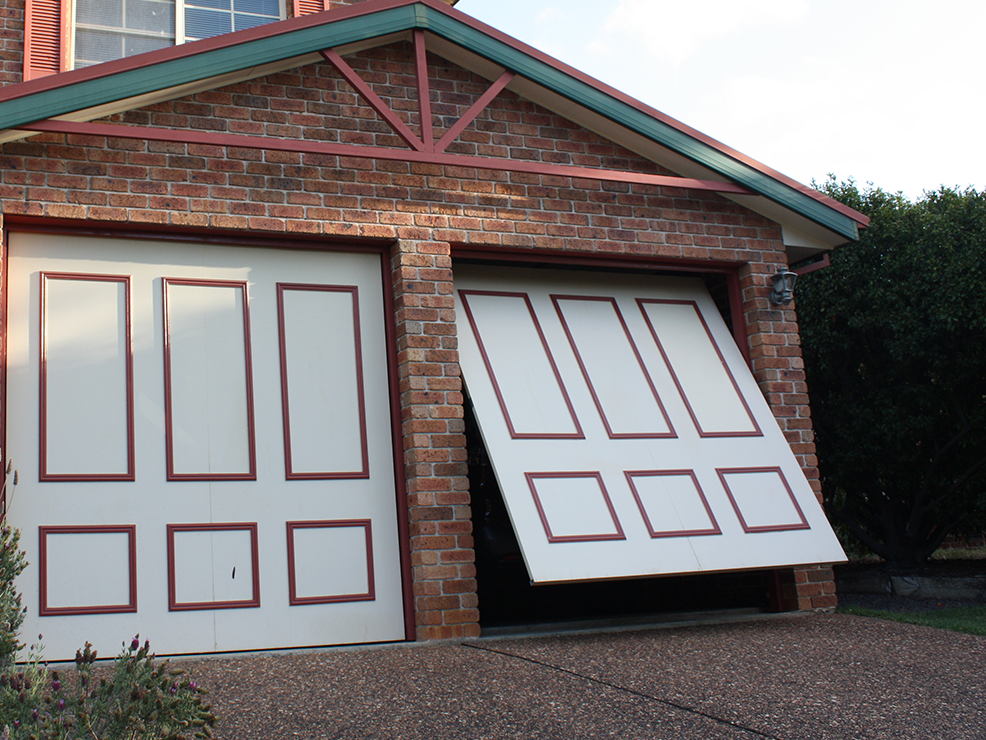
Tell the installer whether your door is roller, sectional or tilt, and whether it is single or double. This basic detail shapes what needs to be considered. Merlin’s current product selector starts with door type and then asks about the number of doors, primary way the garage is accessed, frequency of operation and household size.
Do not make the selection from a photo alone. If the door is sticking, noisy, uneven or visibly damaged, that condition should be assessed before an opener is recommended. Do not test the balance, adjust spring tension or work on cables and brackets yourself. A door is a moving mechanical system and those parts require the correct expertise.
Describe how the garage is used
A garage used twice each weekday by one driver has a different routine from a garage used as the household’s main entrance, storage room and workshop. Explain how often the door operates, whether people walk through it, and whether early or late access matters. Mention nearby bedrooms, children, pets and accessibility needs where relevant.
These details are not a promise of a particular noise, speed or convenience outcome. They help an installer understand what should be considered in a suitable design. An opener recommendation should respond to how your household actually lives, rather than repeating a generic feature list.
Look at the installation space
The available room around the door and ceiling is part of the decision. Show the installer fixed beams, shelving, stored items, lighting, ceiling height and any unusual shape around the opening. A sectional opener, roller-door arrangement and other garage layouts do not share the same physical requirements.
Power needs a proper conversation as well. Do not assume that a temporary extension lead is a permanent solution or change electrical work yourself to fit a motor. An assessment can identify the appropriate power arrangement and any site constraints before equipment is ordered.
Choose controls for the people who will use them
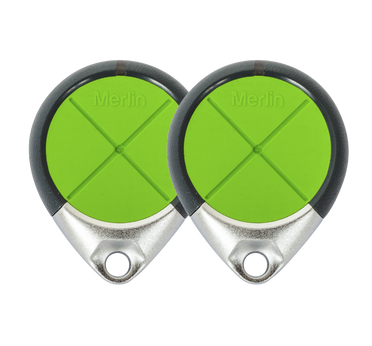
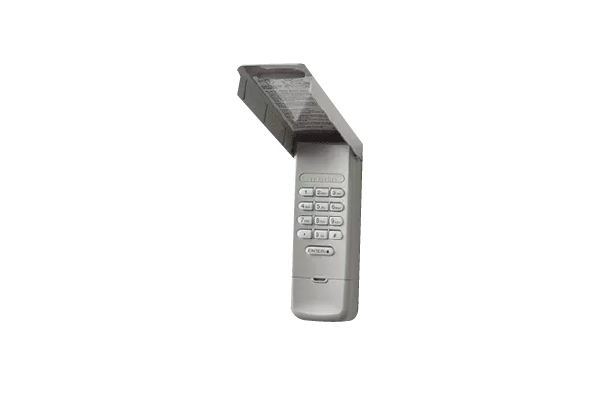
Think about who needs access and what form of access is practical. A household may need handheld remotes, a wall control or an arrangement for a family member who does not drive. Merlin’s homeowner support page explains that remote compatibility depends on the motor model. Decide on controls after the appropriate motor has been identified, not before.
Keep a list of authorised devices once the system is installed. It makes lost remotes, vehicle changes and access updates much easier to manage. A remote should be treated like a house key. Do not give away access details casually, and do not follow a generic online programming sequence for a motor you have not identified.
Put safety into the brief
Ask the installer to explain what safety features and compatible equipment apply to the proposed setup. Keep people, pets, vehicles and storage clear of the doorway while it moves. Do not bypass sensors or change force settings to make a door run when it does not behave normally.
Stop using the door and ask for help if it reverses unexpectedly, looks uneven, has damaged hardware or will not stay in a safe position. An opener does not correct a damaged door and should not be used to push through a mechanical fault.
Decide whether smart access is useful
Smart control can be considered after the core door-and-opener selection is clear. Merlin offers myQ options for eligible setups, but compatibility is specific. The M828AU myQ Gateway page says it is not compatible with tilt garage doors and notes that Safety IR Beams are separately available for full functionality. Confirm the actual motor, door type and intended use before including this equipment in a plan.
An app may suit a household that needs managed access, but it does not replace normal safe use. Do not operate a garage door remotely when you cannot be satisfied that the opening is clear. Smart equipment also has network and placement requirements that should be discussed during the assessment.
Keep the documentation
Once an opener is chosen, keep the model number, product paperwork, installer details and current manual together. Merlin’s support centre provides model-specific resources. These are more reliable than a copied programming method or an outdated forum post when a remote or accessory needs attention.
Product terms, compatibility and warranty information can change by model, so do not carry a claim from one Merlin product to another. Refer to the exact documentation for the installed equipment.
Questions for your assessment
- Is my existing door suitable to automate in its current condition?
- Which Merlin opener suits this door type and the way we use the garage?
- What work or clearance is needed before installation?
- Which controls and safety equipment are appropriate?
- Is smart access compatible and useful for this home?
- What paperwork and manual should we retain?
Eastern Garage Doors can help homeowners in Melbourne’s eastern suburbs work through these questions and assess a suitable Merlin solution. Contact the Eastern Garage Doors team with your door type, current condition and access needs.