






Repairs & Maintenance
Safe Homeowner Checks for a Garage Door That Is Not Running Smoothly

Sep
Reviewed and updated: 14 October 2026
A garage door that begins to sound, feel or look different deserves attention, but that does not make it a home repair project. A garage door is a moving system with parts under force. The useful role for a homeowner is to observe the change, keep the area safe and arrange appropriate help when the normal operation has changed.
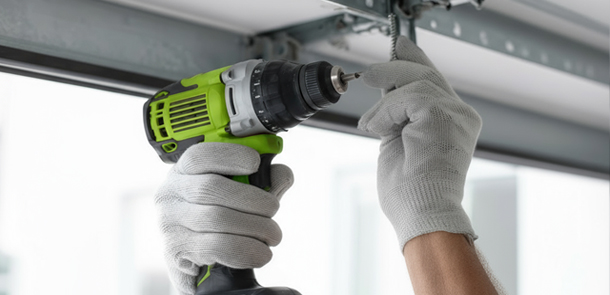
This guide keeps the distinction clear. It covers observations you can make from a safe position and limited cleaning only where the manufacturer’s instructions permit it. It does not ask you to adjust springs, cables, tracks, brackets, rollers or opener settings, and it does not prescribe a universal lubrication or service schedule.
Start with what has changed
Try to identify the change without repeatedly operating the door. Has it become noisy, paused in a new place, moved unevenly, failed to close fully or behaved differently after an impact or power interruption? Note whether the change occurs every time or only sometimes. The date, a short description and a video taken from well clear of the opening can make an enquiry more useful.
Separate an observed symptom from a diagnosis. A grinding sound does not tell you which component needs attention, and a remote problem does not establish that the motor is at fault. Avoid internet fixes that ask you to alter settings or tension because an apparently similar symptom can have a different cause on another door.
Look from a safe distance
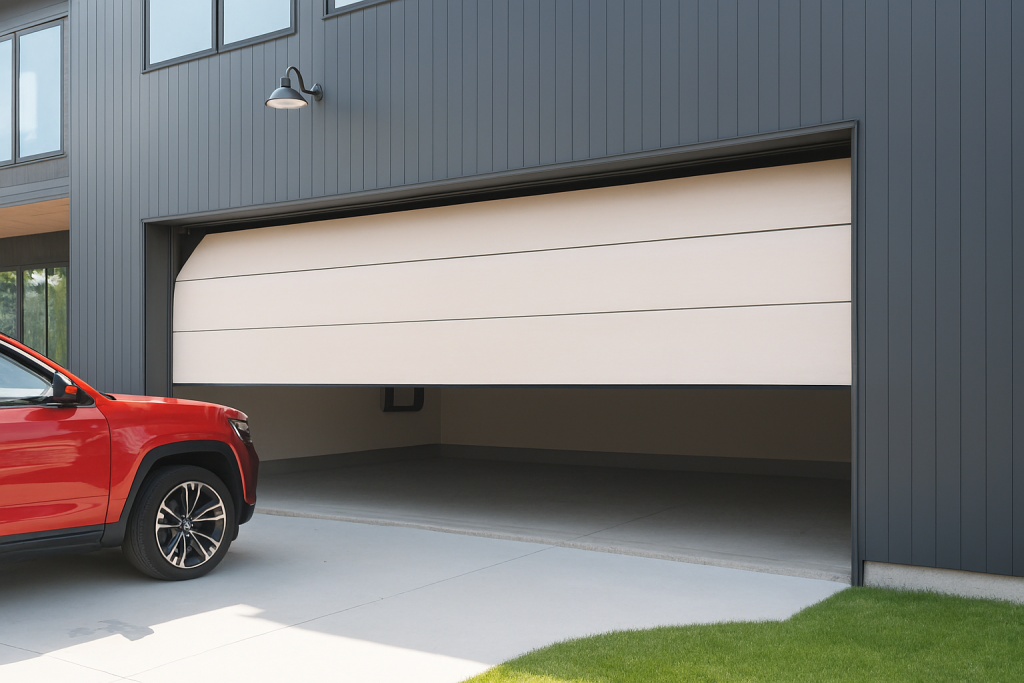
With the door stationary and the opening clear, look for obvious changes: a dent, loose material, a displaced weather seal, an object in the doorway or a new gap around the perimeter. Look at the floor and surrounding wall for signs of water entry or loose stored items. These observations can help a technician understand whether something around the door has changed.
Do not stand beneath a partly open door, climb a ladder to inspect hardware or place hands near springs, cables, tracks or hinges. A loose-looking part is not an invitation to tighten it. Keep children, pets, vehicles and stored items clear until the door’s condition has been assessed.
Keep the doorway and floor clear
Ordinary clutter can obstruct the movement area. A wheelie bin, bike, parcel, loose mat or garden tool can prevent a door from moving as expected. Clear objects from the doorway only when the door is fully stationary and it is safe to approach. Check that parked vehicles leave enough space for the door’s normal travel, including mirrors, roof racks and open boots.
Good housekeeping also makes future changes easier to see. Leave a visible strip of floor around the opening rather than stacking boxes against it. If a renovation has added shelving, lighting, ceiling storage or new paving, mention that change when seeking advice. The surrounding space can matter to the safe operation of the installed arrangement.
Clean only as the instructions allow
Read the owner information for the actual door and opener before undertaking any cleaning. If that guidance allows surface cleaning, use the method and products it specifies, and keep water away from electrical equipment. Cleaning the exterior surface or clearing loose debris from the immediate floor area is different from servicing hardware. Do not spray oils, cleaners or water into tracks, springs, cables or the motor assembly unless the manufacturer expressly directs it.
It can be tempting to treat lubrication as the answer to every squeak. Product requirements differ, and applying an unsuitable product can leave a mess without addressing the underlying issue. If the manual is unavailable or the required task is unclear, record the symptom and ask a technician what owner-care is appropriate for that particular door.
Check access devices without changing the system
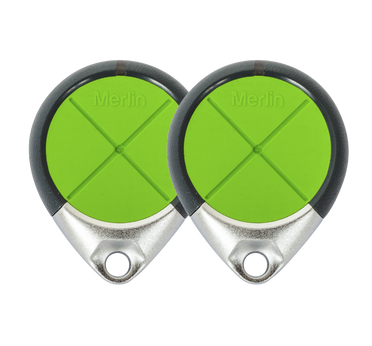
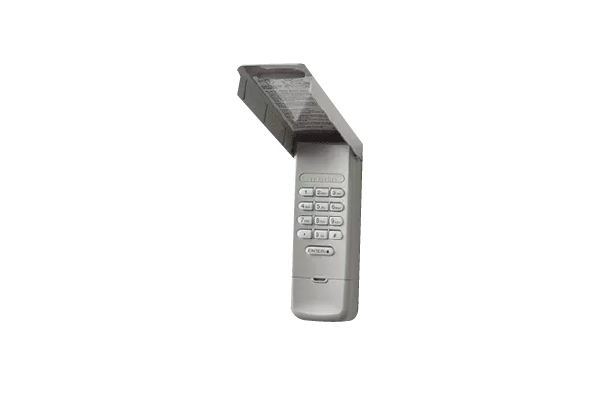
A remote, wall control or keypad may be part of the complaint, but start with the simplest information. Note which control works, whether the indicator behaves differently and whether the issue followed a battery change, lost remote or power interruption. Keep the opener model and the remote’s details with the enquiry. Where Merlin equipment is involved, current model-specific support material is the right reference.
Do not erase remotes, reset programming or alter travel settings in the hope of solving an unexplained fault. Those actions can remove access for other authorised users and create a separate problem. Treat remotes and app accounts as access devices: account for them, protect credentials and report a lost device rather than sharing private codes while seeking help.
Recognise a stop-use situation
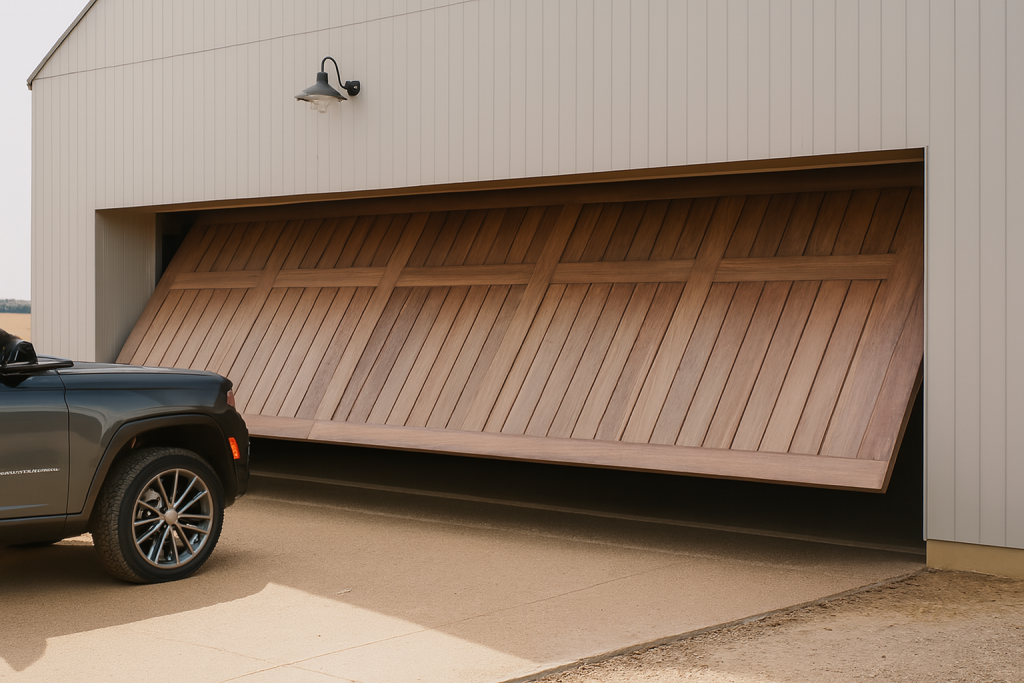
Stop using the door and keep the opening clear if it is partly open, visibly damaged, moving unevenly, dropping, scraping, reversing unexpectedly or failing to respond normally. The same applies after a vehicle strike or when a cable, spring or other component appears damaged. Do not keep testing the door to see whether it will settle back into normal behaviour.
If the vehicle is inside, explain that circumstance when arranging assistance. A technician can advise on the appropriate next step for the position of the door. Do not attempt to force it open, disconnect it or support it with improvised objects. The priority is to keep people away from a system whose condition is uncertain.
Give the technician useful information
When booking a check, provide the door type, opener brand and model if known, a brief symptom history and any recent event such as a storm, power outage, building work or vehicle contact. Mention the position in which the door has been left and whether any authorised control still responds. Clear information helps focus the assessment without making assumptions about the repair.
Eastern Garage Doors can assess garage-door operation and advise on the work appropriate to the observed condition. Contact the team with the details you have recorded, and keep the area around the door clear while you wait for advice.