







New Garage Doors
When a New Garage Door Makes Sense for Your Home

Sep
Reviewed and updated: 14 October 2026
A new garage door makes sense when it answers a present problem better than keeping the existing arrangement. That may be a question of physical condition, a changed routine, an awkward fit with the building, or an upgrade planned as part of wider work. It is not a verdict that every ageing door must be replaced. The decision should start with the home in front of you.
Assess the current condition
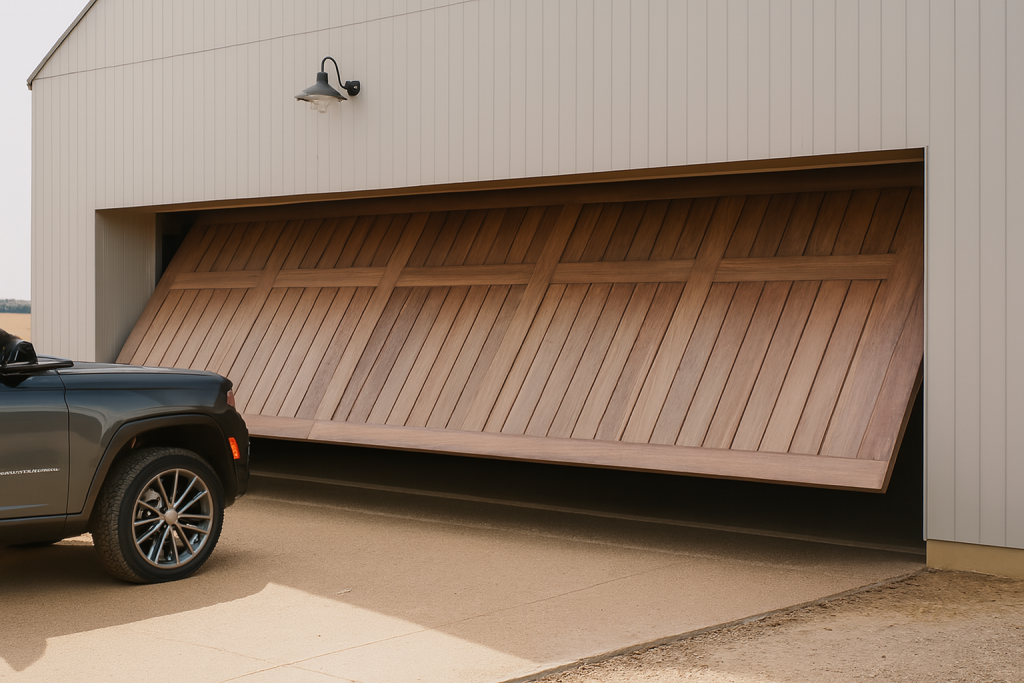
Begin with a condition assessment. A door that has sustained damage, regularly behaves differently or has a history of recurring service calls deserves an informed review. The outcome may be repair, further investigation or replacement. A professional can assess the door and opening together rather than reducing the question to one visible symptom.
Describe the everyday routine
Next, map the day-to-day use. Does the garage serve as car storage, workshop space, a passage into the home or several of these? Are different drivers using it? Does the driveway require a vehicle to stop in a particular place? These details affect the discussion of door style and automation more than broad promises about a new product.
Treat draught concerns as site-specific
Draughts and weather exposure are also reasonable topics, but they are not universal claims. The condition of the opening, the selected door, surrounding gaps and the building itself all matter. Ask what can be confirmed for the particular product and installation rather than expecting one door feature to solve every comfort issue.
Bring appearance and fit together
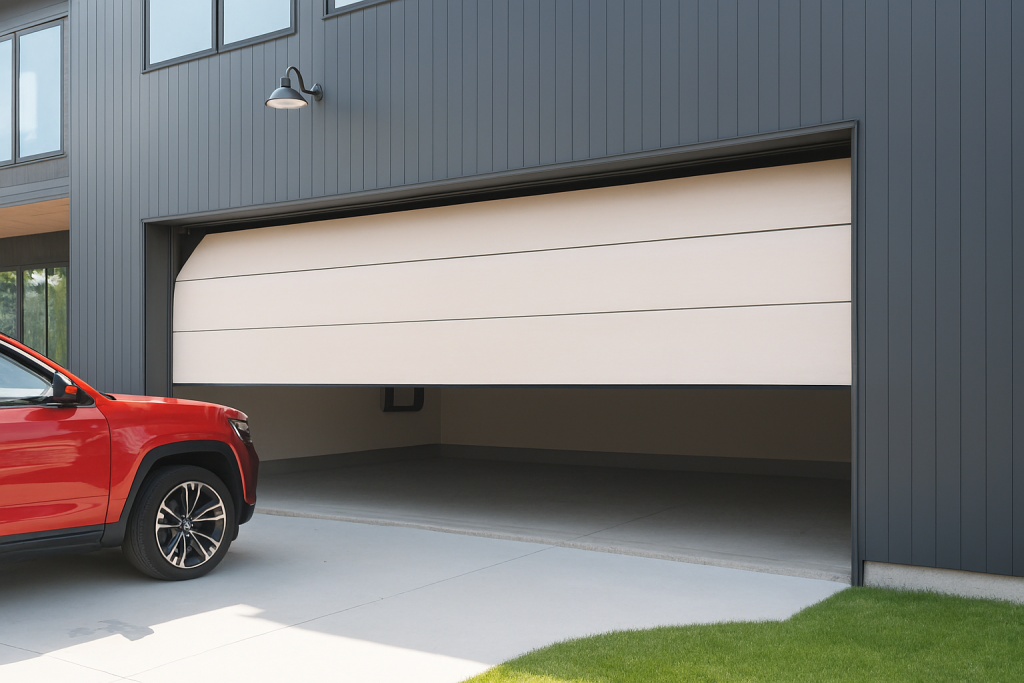
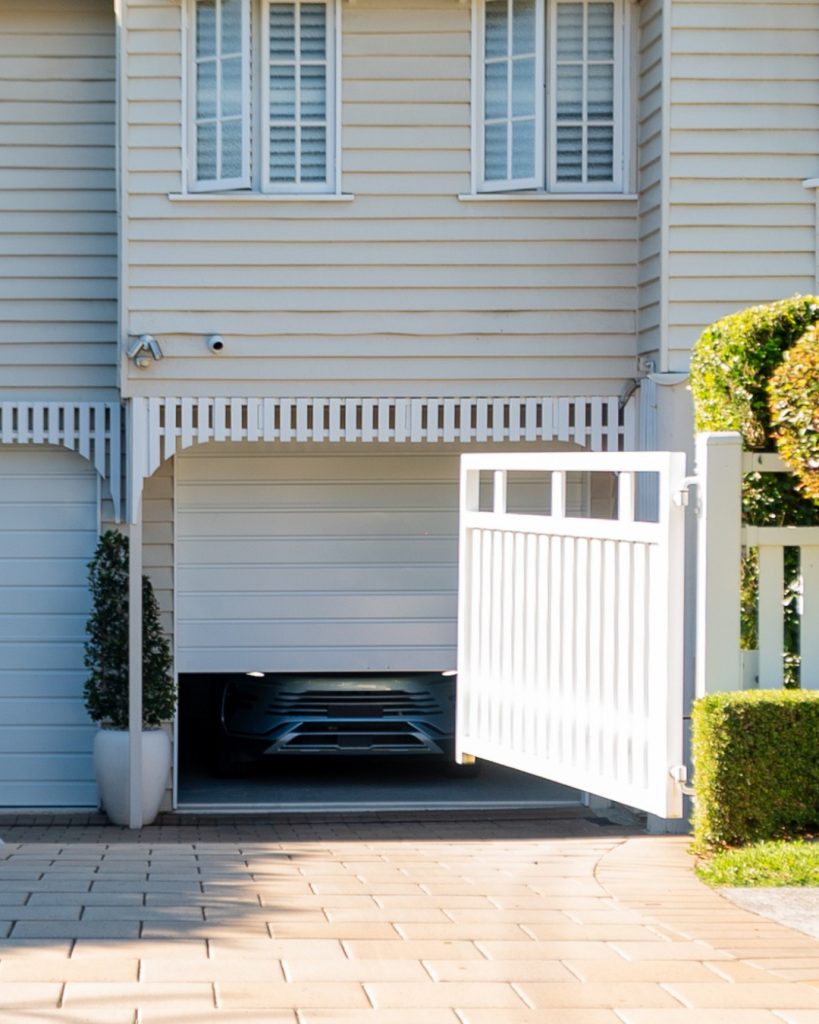
A replacement should also fit the home visually. Consider the façade at street level, nearby windows, exterior colours and any planned renovation. Then allow the site measure to test whether the preferred style can move and fit as intended.
Separate today’s problem from tomorrow’s plans
Make two lists before seeking a replacement quote. The first should describe what is wrong now: damage, a recurring fault, awkward vehicle access or a door that no longer suits the opening. The second should describe changes you want in future, such as a different appearance or easier everyday access. Keeping the lists separate helps you compare a repair that restores normal operation with a replacement that also addresses a new requirement.
Give each desired change a priority. Reliable vehicle entry may be essential, while a particular panel pattern may be a preference. If the preferred style requires building alterations, ask whether a different door can meet the essential need within the existing opening. This is a practical way to compare options without assuming that the largest project is the best one.
Check what would remain after replacement
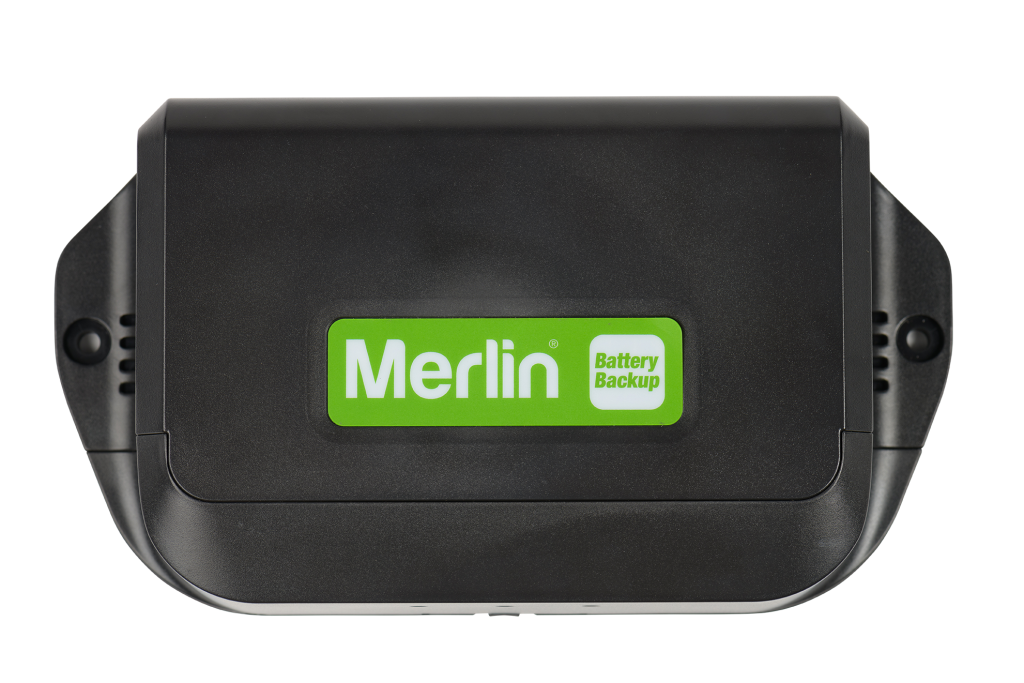
A quote for a new door does not automatically include a new opener, electrical work, changes to the opening or disposal of every old component. Ask which items will be replaced and which are proposed for reuse. Any retained Merlin opener needs its suitability assessed against the proposed door; a working remote alone is not evidence that the existing motor is appropriate. Record these decisions in the accepted scope so that everyone understands the finished arrangement.
Before making a replacement decision, write a short comparison between keeping the present door and changing it. Include the actual difficulties you experience, the repairs already discussed, the features that are no longer useful and the aspects of the current door that you want to preserve. This avoids framing replacement as a default outcome.
If the home is being renovated, make a simple sequence of decisions. Structural or façade changes should be known before a final garage-door choice is locked in. The installer can then measure against the intended finished condition rather than a temporary opening or incomplete driveway level.
Ask how the selected style will use the space inside the garage. This is especially helpful where shelving, bikes, lighting or stored equipment have accumulated around the ceiling and side walls. A new door should fit the real garage, not an empty version imagined for a brochure.
Once the work is complete, keep the handover material accessible to everyone who needs the garage. Routine operation should be straightforward, while an unexpected change in movement remains a reason to contact the service provider rather than to adjust hardware.
A replacement can also be a chance to simplify a confusing entry arrangement. Explain whether the family currently juggles keys, remotes, multiple access points or awkward parking. The assessment can then address the actual friction without making blanket claims about what any opener will deliver.
Where a damaged door has affected confidence, ask the technician to explain the observation in plain language. Understanding the condition and the alternatives is more useful than being pushed toward a decision before you know why it has been recommended.
Keep the scope tied to the finished home. If paint, cladding, landscaping or lighting is still unsettled, identify that fact before ordering. A door selected in isolation can later look or fit differently once neighbouring work is completed.
Review the replacement after installation from the driveway and from inside the garage. This is the right time to ask about ordinary operation and documentation, not to test limits or moving components yourself.
Set aside a short period to observe the old door before the appointment. Watch the entry at normal departure and return times, and note which inconvenience is actually driving the decision. That small exercise makes it easier to explain the problem accurately and to assess whether a repair or a new arrangement is the more sensible response.
Discuss the property with Eastern Garage Doors
Bring your present concerns and the changes you hope to make to Eastern Garage Doors. A property-specific assessment can establish which options are suitable and what each would involve.
Use the Eastern Garage Doors contact page or call (03) 9812 3062 to start the enquiry.