






Repairs & Maintenance
Five Signs Your Garage Door Needs Professional Repairs

Aug
Reviewed and updated: 14 October 2026
A garage door does not need a dramatic failure before it deserves professional attention. The useful signs are changes in normal movement, sound, appearance or response. None of those observations identifies a failed part from a distance, and they should not be used as instructions to adjust the door yourself. They are reasons to stop, keep the opening clear where needed and arrange an assessment of the complete door and opener arrangement.
1. The door no longer travels normally
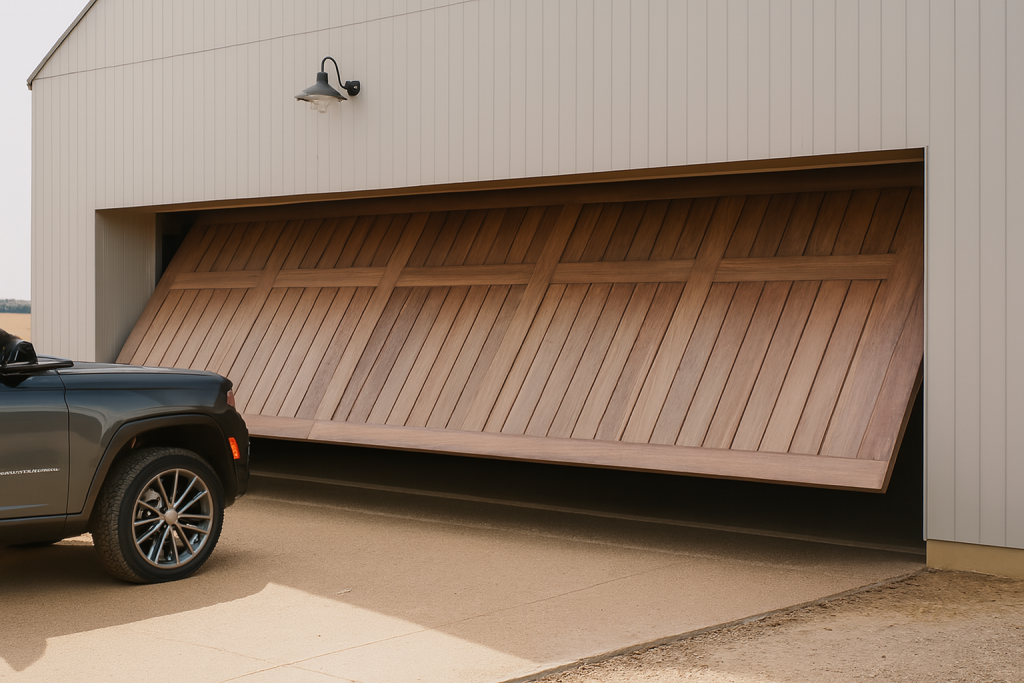
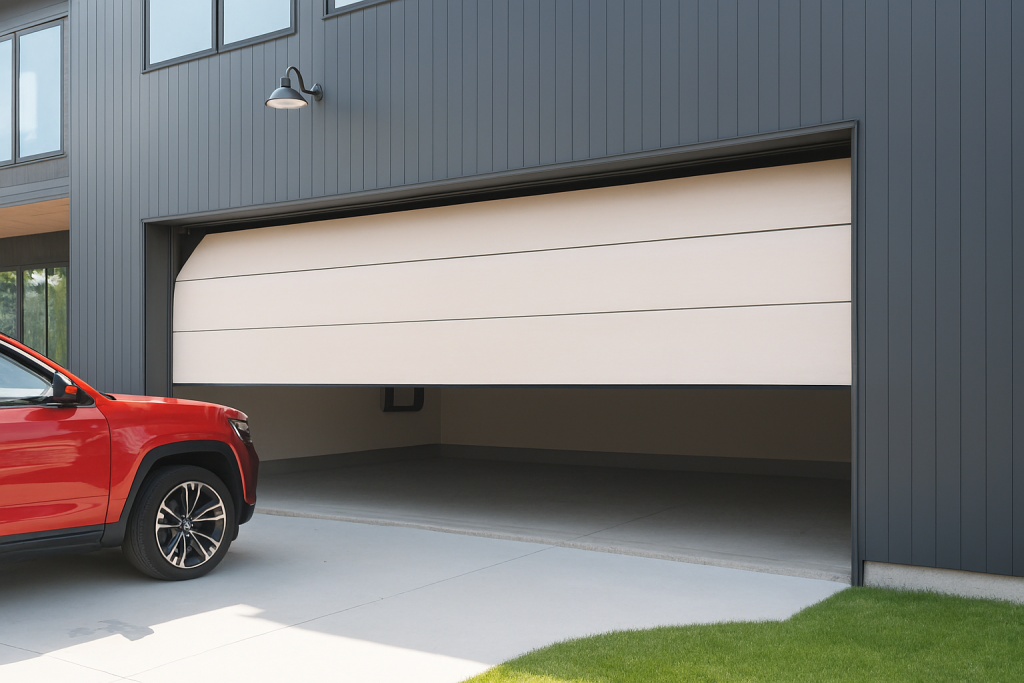
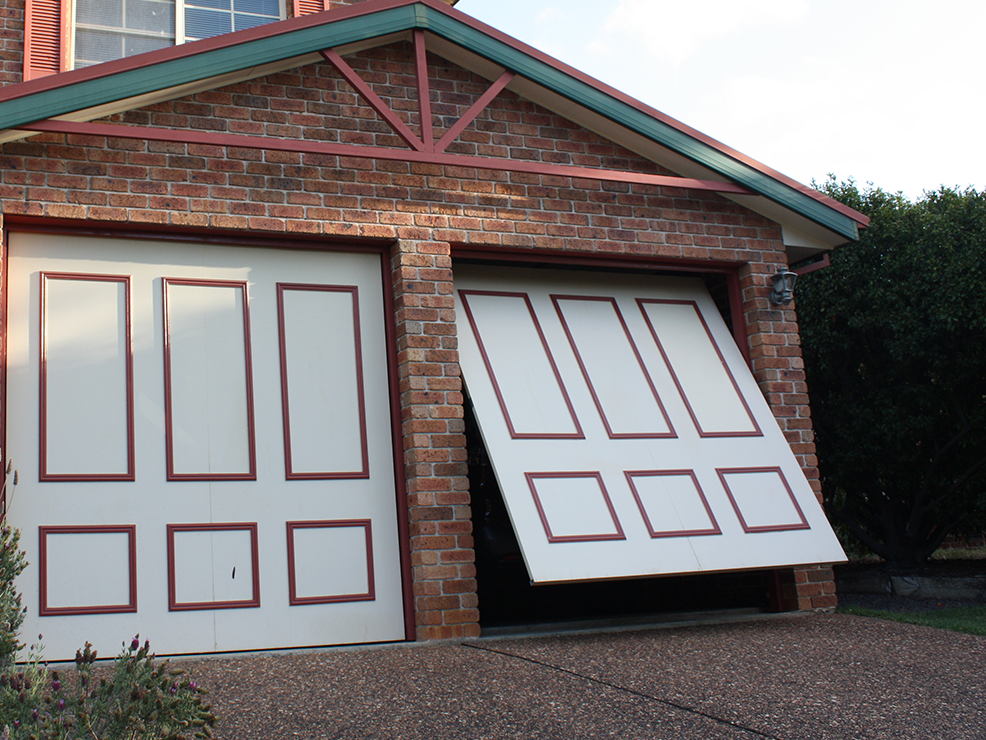
A door that stops part way, moves unevenly, reverses unexpectedly or cannot complete its usual opening or closing cycle needs attention. Notice whether the change began suddenly or developed over time, but do not keep operating the door to collect more examples. A single abnormal movement can be enough to make continued use unsafe.
From a safe position, note the door’s current location and any obvious gap or change in alignment. Keep people, pets, vehicles and stored items away from its path. Do not stand below a partly open door, push it, pull it, use a manual release or try to guide it along a track. An open, stuck or unstable door needs a clear exclusion area while professional advice is arranged.
2. There is a new sound during operation
Grinding, scraping, banging, straining or another unfamiliar sound is worth recording as an observation. Sound alone does not tell you which component needs work. It may come from the door, hardware, opener or an interaction between them. The timing of the sound can help: for example, whether it began at start-up, during travel or near the closed position.
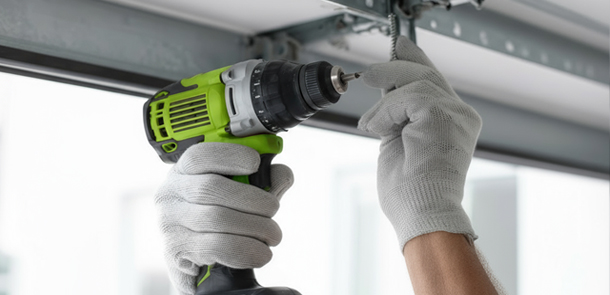
Do not respond by applying lubricant, tightening visible fasteners or changing an opener setting. Springs, cables, hinges, rollers, tracks, brackets and opener components work as a system, and some carry load or move unexpectedly. Continuing to operate a noisy door in the hope that it will settle can worsen an underlying problem. A technician can inspect the condition and explain the work proposed.
3. You can see damage or changed alignment
A dent, bent panel, displaced guide, loose-looking cable, damaged hinge, gap around the opening or other visible change deserves a professional assessment, particularly after an impact or severe weather. Photograph the overall door and visible damage from a safe distance if that is useful for an enquiry. Avoid climbing ladders, removing covers or reaching into hardware to obtain a closer view.
Visible appearance and operating condition are related but not identical. A mark may be cosmetic; a small-looking change may affect movement. The safe approach is not to decide from appearance alone. Do not straighten parts, reconnect a cable, force a panel or treat the opening as usable until an appropriate assessment has been made.
4. The opener and door no longer act as a predictable pair
A remote or wall control that appears to work differently can be a control issue, a power issue or a sign that the door and opener need assessment together. Note exactly what happens: no response, a partial movement, unexpected reversal or a different result from another authorised control. If the Merlin model label can be read from a safe standing position, include it in the enquiry.
Use Merlin’s current homeowner support material for model-specific documentation and ordinary remote compatibility information. Do not remove the opener cover, alter travel limits, force settings, safety equipment, wiring or programming as a troubleshooting experiment. There is no generic reset that confirms a door is safe, and a remote symptom does not rule out a mechanical concern elsewhere in the installation.
5. The door has become heavy, unstable or unpredictable
Stop using a door that feels unusually heavy, will not remain in its usual position, drops, lurches or otherwise behaves unpredictably. Do not perform a balance test, attempt to lift the door manually or ask another person to hold it while you inspect the hardware. These symptoms can involve parts that store energy or support the door’s movement, and an improvised check can place people in danger.
Explain the symptom, present position and any recent event when arranging service. If the door is closed and stable, leave it closed where practical. If it is open or partly open, keep the area clear and ask the service provider what access arrangements are appropriate. Use another entry point or change parking arrangements while the condition is assessed rather than trying to create access through a compromised door.
What a useful repair enquiry includes
Professional repair begins with clear information rather than a guess about the cause. Include the door type if known, whether an opener is fitted, the current position, the last normal operation and the change you observed. Mention an impact, power interruption, water exposure or building work only when it is a known fact. Service records and a safe-distance photo can give helpful background.
Ask what can be assessed on site, what work is recommended and whether related components have been considered. A repair recommendation should make clear what condition was found and what the proposed work addresses. It should not be replaced by a universal claim about remaining life, a remote diagnosis or an internet instruction to adjust a loaded part. Keep the assessment record with the property files so a future symptom can be compared with the door’s known history.
Sources and support
For a repair assessment, see Eastern Garage Doors servicing and repairs or contact Eastern Garage Doors. For model-specific Merlin documentation, use the Merlin homeowner support page.