







Repairs & Maintenance
Reducing Draughts Around Your Garage: What to Check First

Sep
Reviewed and updated: 14 October 2026
A draught around a garage can be irritating, especially when the garage connects to a laundry, hallway or another room used every day. Before treating it as a quick sealing job, start with what can be observed safely: where air, dust or water seems to enter; whether the door is fully closed; and whether the door otherwise looks and operates as usual.
Identify the path of the draught
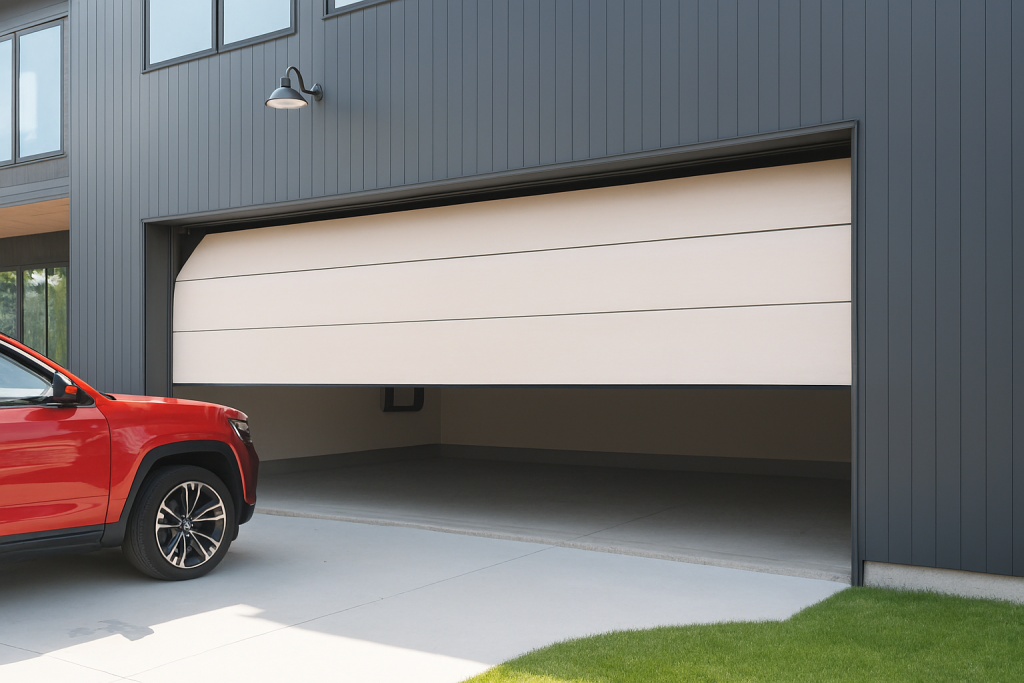
Look at the opening from a normal standing position while the door is stationary and closed. Is the sensation strongest under the door, at a side edge, around a top corner or through a separate pedestrian door, window or wall penetration? The location matters. Air from the driveway may travel through the garage in a way that makes the door appear to be the only source, while a gap visible at the door may be associated with the opening, a seal or a change in how the door sits.
Note what comes with the draught. Fine dust, leaves, rainwater, insects or a noticeable breeze can all give useful context. So can the timing: a problem that appears only during driving rain or a particular wind direction is different from a gap seen every day in still weather. This is information for assessment, not a prompt to put hands under the door or into its guides to trace airflow.
Look at the closed door, not moving parts
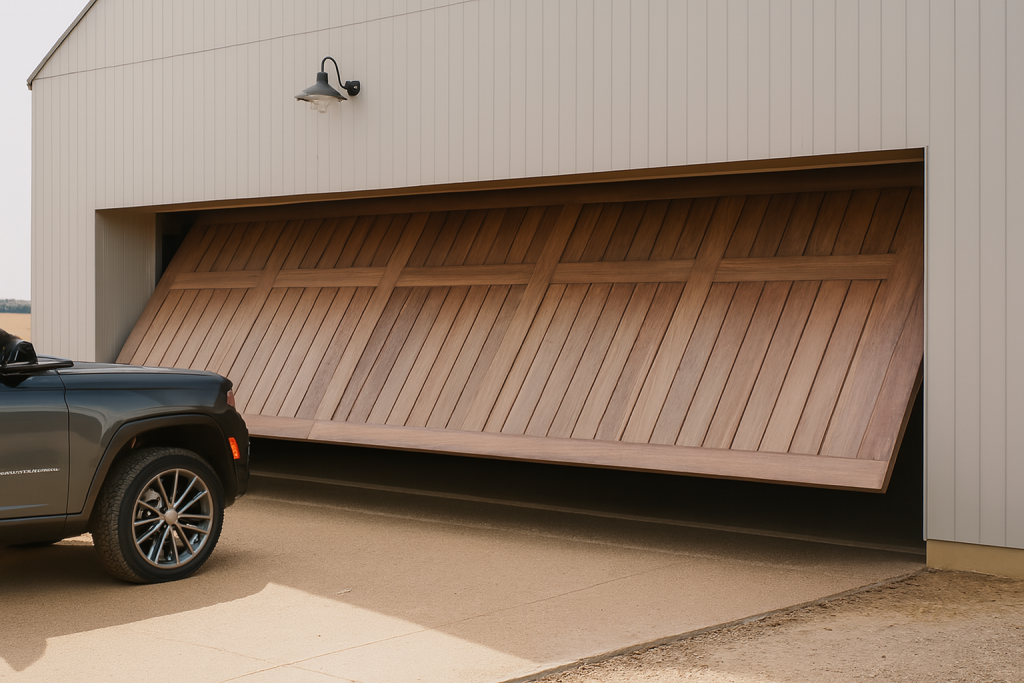
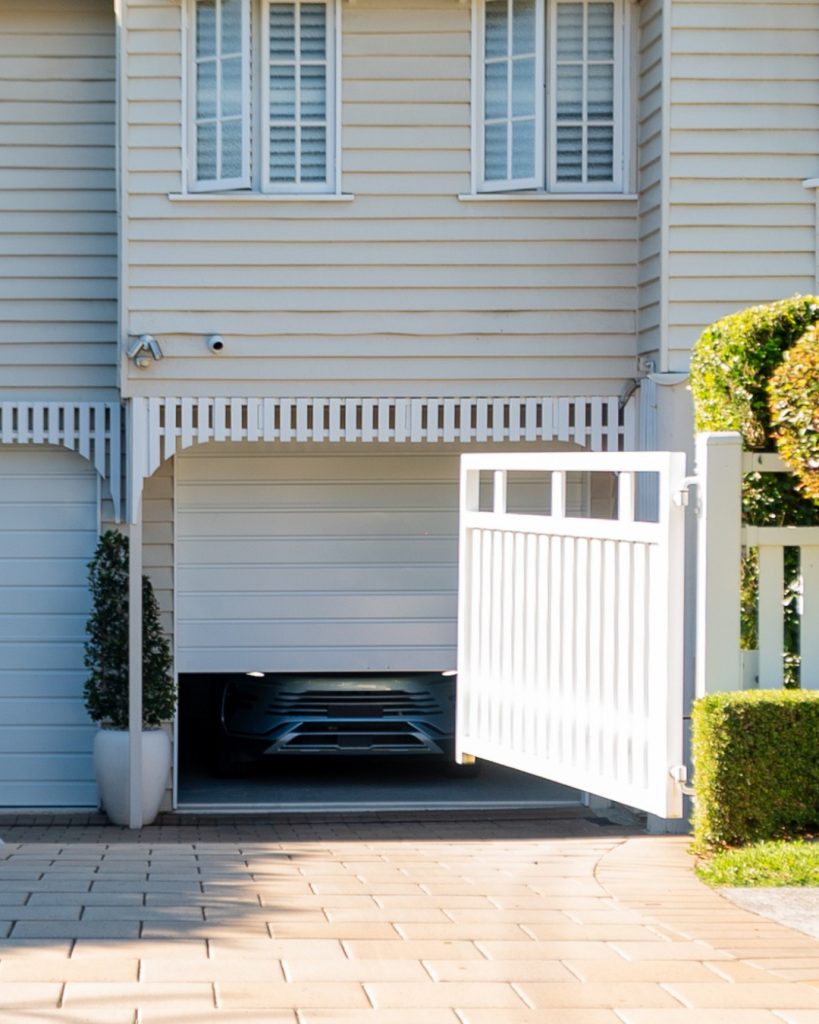
With the door closed, step back and compare its outline with the opening. You may see a damaged bottom seal, a dent in a panel or curtain, a localised gap, or a door that appears different from its usual resting position. Take a photo from a safe distance if it will help describe the issue. Do not climb to inspect upper hardware, reach around the sides, pull at seals fixed near moving components, or remove panels or covers. A visible symptom can have more than one cause and needs the right response for the specific door.
If the door has been hit by a vehicle, affected by building work, or changed after severe weather, mention that when seeking help. The same applies where the door is noisy, uneven, slow, difficult to close or no longer moves normally. Draught reduction should never take priority over a concern about safe operation. Stop using a door that appears damaged or behaves unpredictably and keep the opening clear until it can be assessed.
Think about the garage as part of the home
Garage draughts are often experienced beyond the garage itself. Consider the nearby rooms, doors and stored items without assuming an energy figure or a single cure. A garage used as a workshop may be affected differently from one used mainly for parking. Cardboard storage, pet bedding or laundry equipment near an internal door can make dust or cold air more noticeable, while ventilation that serves the wider home may need to be considered separately.
Keep the threshold and opening clear
Routine housekeeping can reduce avoidable problems around any door. When the door is stationary, clear leaves, loose gravel, toys, garden tools and stored items from the threshold and nearby opening. Keep vehicles, bicycles and shelves far enough away that the door has a visible unobstructed path. This does not involve cleaning inside tracks or trying to dislodge material from hardware. If something is caught where it cannot be reached safely with the door stationary, leave it alone and ask for advice.
Do not turn a draught problem into a repair project
It can be tempting to add packing, adhesive strips or another product wherever a gap is visible. That can interfere with travel, hide a change in the door’s position or create a new issue at the opening. Do not alter tracks, brackets, cables, springs, stops, opener limits or force settings to chase a draught. Avoid applying lubricants or sealants to moving parts. Electrical connections and opener settings are also outside a safe owner check.
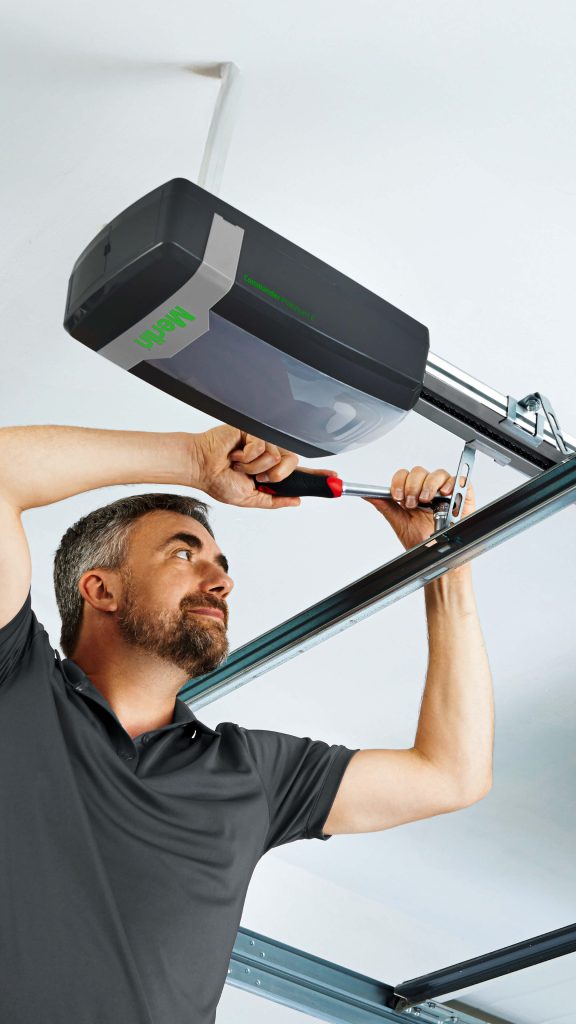
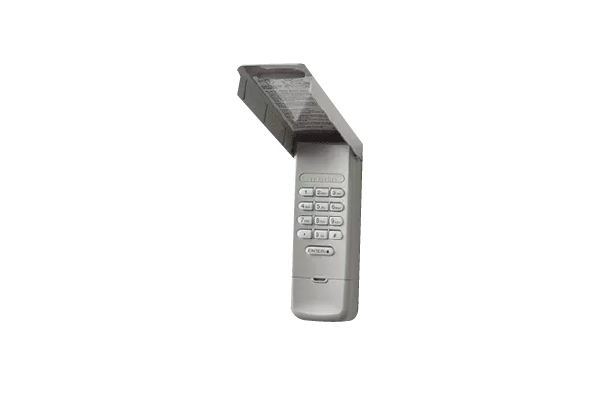
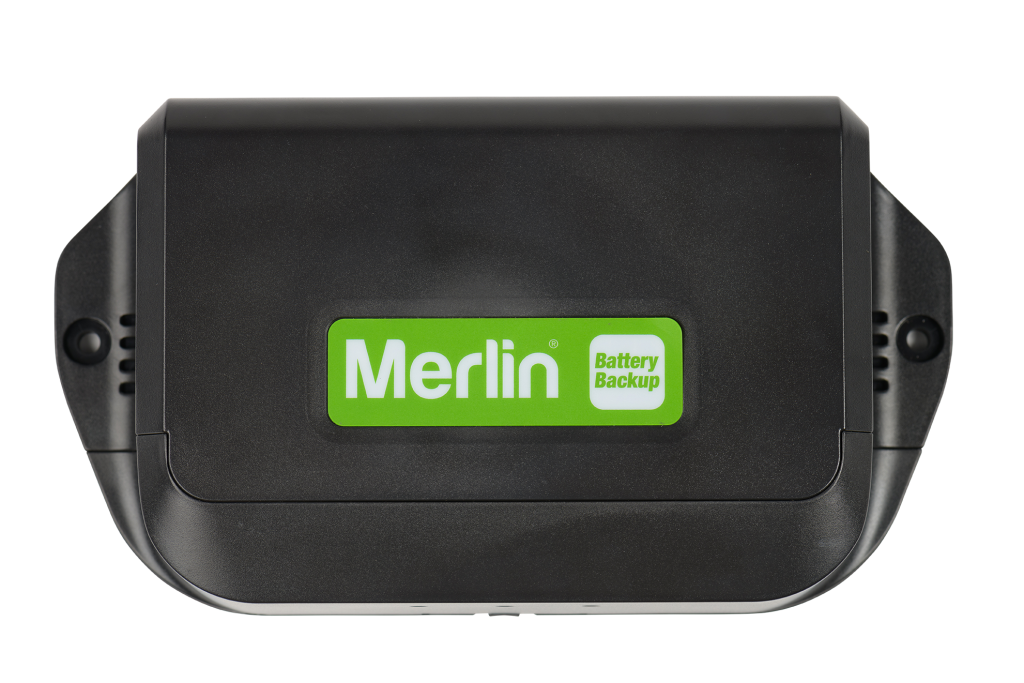
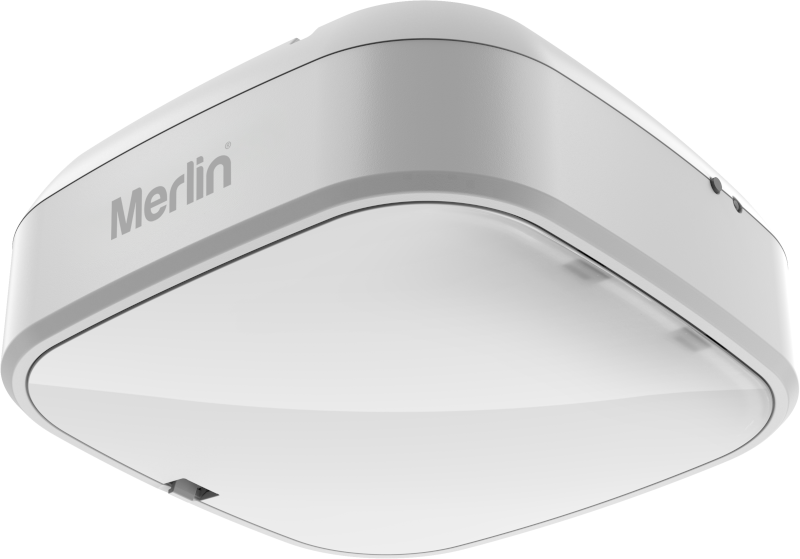
If a Merlin opener is installed, use the model-specific support material for ordinary controls and product information. Merlin’s homeowner support provides manuals and a route to assistance, but model information does not replace an on-site assessment of a damaged, misaligned or abnormal door. A professional can decide whether a seal, door condition, opening detail or another issue needs attention.
Choose the right response to changed operation
A door that closes normally and has a small, stable, visible gap may allow time for a non-urgent service enquiry. Record the location, take safe photographs and describe what enters the garage. A door that is heavy, noisy, uneven, damaged, off its usual path or unable to close as normal needs a different response. Stop operating it. Do not force it closed, disconnect the opener or attempt to push it back into position. Keep people and vehicles away from the opening and arrange professional help.
If an open door cannot be used safely, secure the immediate area rather than trying to improvise a repair. Explain the current position when you call. A different entrance, temporary parking arrangement or moving valuable items away from the opening may be the safest short-term option until assessment is available.
Prepare clear information for a professional
When contacting Eastern Garage Doors, describe the side or edge where the draught is noticed, whether water or debris enters, the state of the door when you see it and any change in operation. Include the door type and Merlin opener model if known, plus any recent impact or weather event. Clear information helps separate an ordinary draught concern from a door-condition issue that needs prompt attention.
Eastern Garage Doors can assess garage-door service and repair needs on site. The right recommendation depends on the door, its opening and the condition found, so it is sensible to avoid assumed fixes. A careful observation, a clear threshold and safe escalation protect both the home and the people using the garage.
Sources and support
See Eastern Garage Doors servicing and repairs, Eastern Garage Doors contact details and Merlin homeowner support.
For an assessment of a gap, seal or door-condition concern, contact Eastern Garage Doors with the door’s current position and the observations already made.