






Repairs & Maintenance
When a Garage Door Problem Needs Urgent Attention

Dec
Reviewed and updated: 14 October 2026
A garage-door problem needs prompt attention when it creates an unsafe movement area, prevents normal access or leaves the property exposed. The word urgent should describe what is happening at the home, rather than a diagnosis made from a noise or a photograph. Start with the door’s current position and the people or access routes affected. Those facts help a repair team understand the situation.
Keep clear of an unstable or unpredictable door
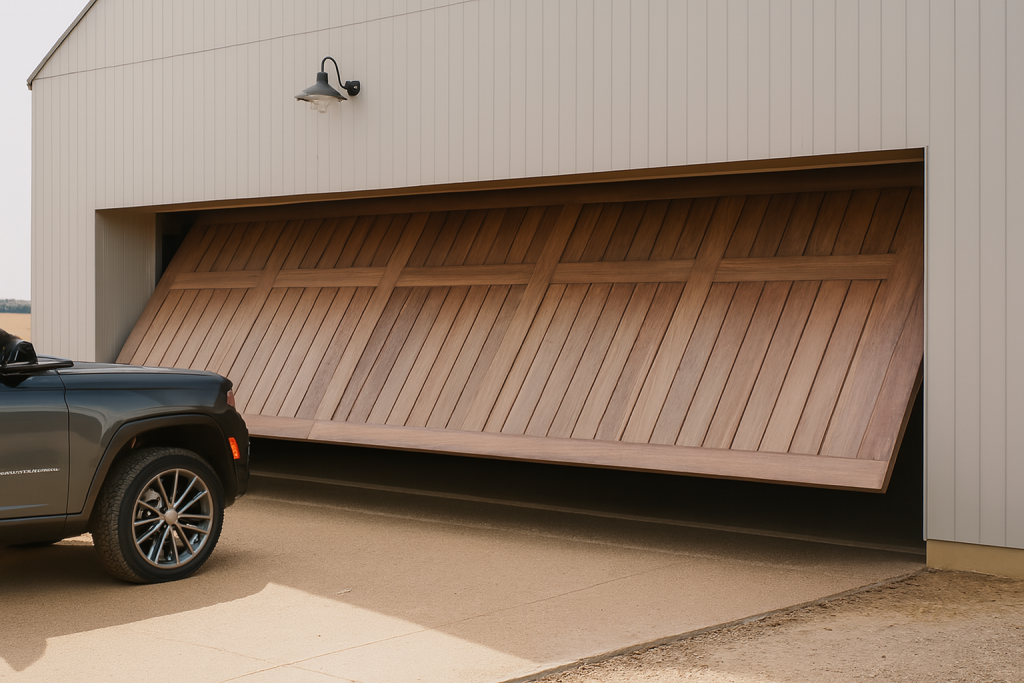
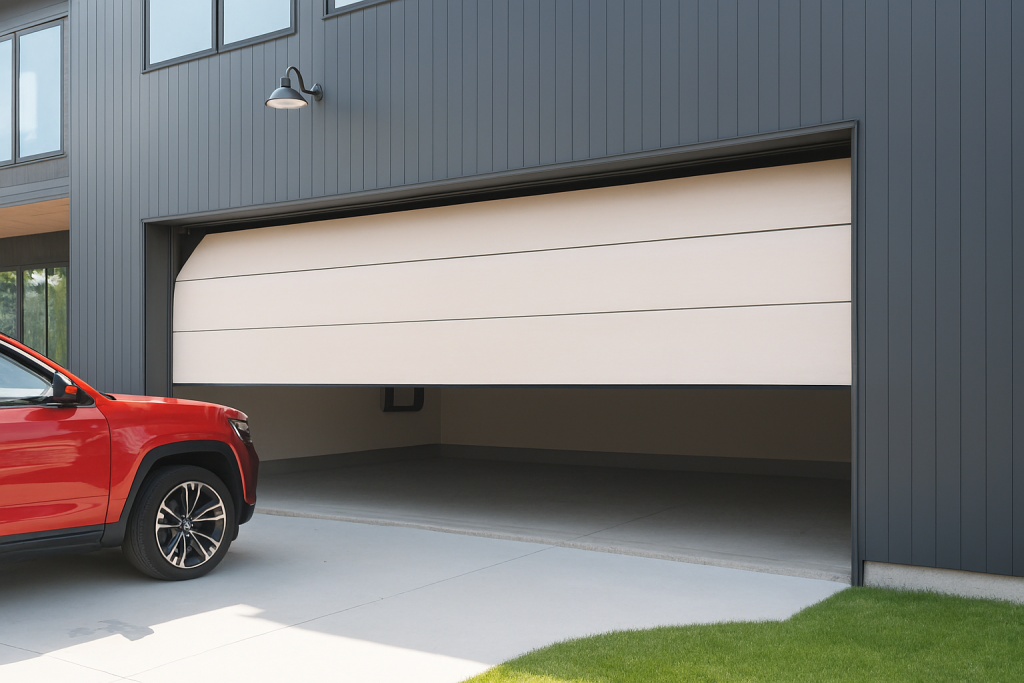
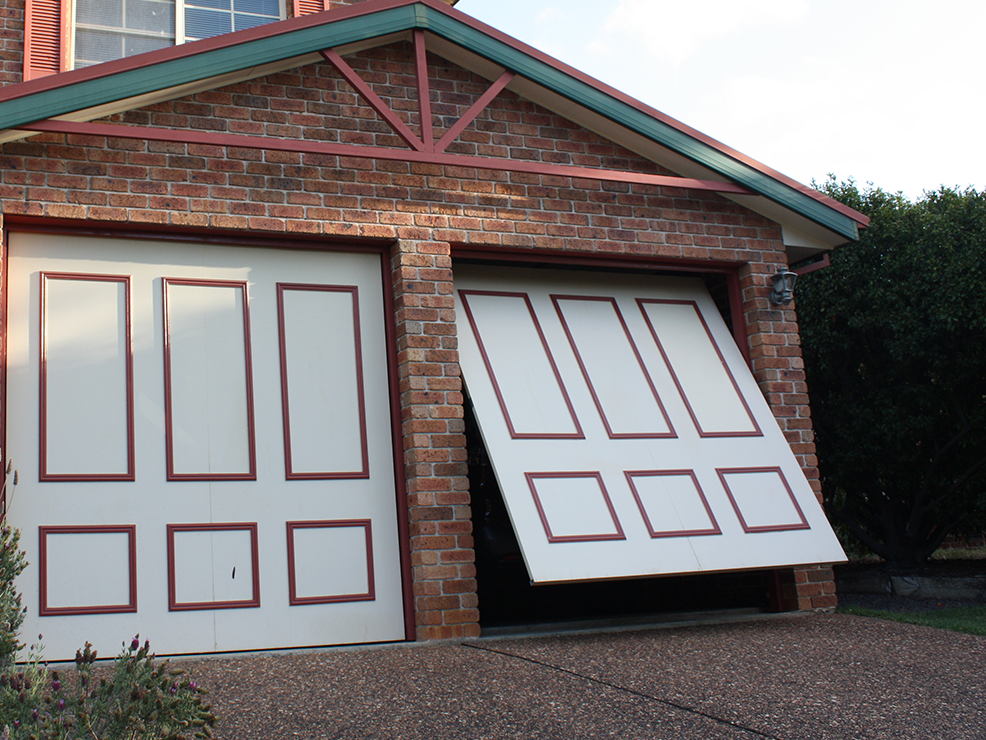
Stop operating a door that is visibly crooked, damaged, partly out of its normal path or moving unpredictably. A sudden bang followed by changed movement, a loose-looking cable or a door that drops or slams also needs professional attention. Keep people and vehicles away from the opening. Do not approach loaded hardware to confirm whether the part you suspect has failed.
If the door is raised or partly raised, do not stand underneath, prop it with an object or ask someone to hold it. A motor being switched off does not establish that the door is mechanically stable. Explain the position and visible condition when arranging help, and make sure other household members do not try a remote while the problem is being discussed.
Separate immediate danger from an access inconvenience
A closed door that will not open can be disruptive, particularly when a vehicle is inside. That situation is different from a damaged door above a busy entrance or equipment that is moving without predictable control. Describe the actual concern without exaggerating or minimising it. If there is immediate danger to a person, use the appropriate emergency service rather than relying only on a garage-door booking.
For an access problem, tell the team whether another safe entrance exists, whether anyone depends on that route and whether the door is the only practical way into the garage. These details help explain why the issue matters. They do not require you to lift, release or force the door before calling. Alternative parking or a different entrance may be a safer temporary arrangement.
Explain security concerns without improvising a repair
A door stuck open may expose stored belongings or give access to the house. Tell the service provider about that connection and ask for advice appropriate to the door’s condition. Keep people away from the mechanism while arranging help. Do not tie the door down, attach a makeshift restraint or change opener settings in an effort to make the property appear secure.
Use established access and security measures elsewhere in the property where they can be used safely. Avoid moving valuable items through an unstable doorway merely to solve the security concern. Describe anything that cannot be reached safely so the team understands the practical problem. The aim is to manage the situation without creating another hazard around the door.
Give a short account of what happened
Begin the call with your location, the type of door if known and where it is now. Then explain the event: for example, a vehicle contact, an unexpected reversal, a new grinding noise or failure to close after normal use. Say whether the problem began suddenly or has been intermittent. Keep observations separate from a guess that the spring, motor or sensor must be responsible.
Include any recent outage, storm debris, building work or adjustment already attempted. If someone applied a spray or changed a setting, be clear about that as well. A useful chronology helps the technician distinguish the original event from later changes. There is no need to operate the door again to provide a live demonstration during the call.
Confirm the service arrangement directly
Ask what assistance is available for your address and current situation, what the initial visit involves and how any attendance or assessment charges are explained. Do not assume that an urgent repair page promises attendance within a fixed time or that every part can be replaced immediately. Availability and the repair scope need confirmation through the booking conversation and assessment.
Tell the team about a shared driveway, locked gate, restricted parking or another person who will provide entry. Confirm who can authorise proposed work if the owner will not be there. These practical details can prevent an access problem becoming more complicated when assistance arrives. Keep the agreed contact details available rather than making several conflicting arrangements.
Leave the mechanism in its observed condition
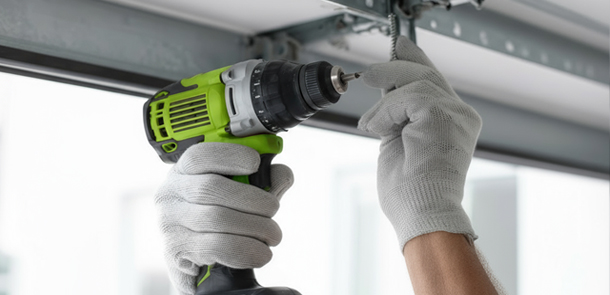
Do not reset an unidentified opener, increase force, change travel limits or bypass a safety device while waiting. Do not release a damaged door to test manual operation. Springs, cables, brackets and electrical components require the appropriate professional assessment. A familiar control button is not a safe diagnostic method when the door itself is no longer behaving normally.
If Merlin equipment is fitted, keep any existing model information and manual ready. Read labels only where they are safely visible. The relevant documentation can support the enquiry, but it does not make a general troubleshooting sequence suitable for a damaged installation. Explain the door’s condition first so the advice is not based solely on a motor model.
Make the return to use clear
After assessment or repair, ask what has been addressed and whether any operating restriction remains. Keep the work description and the advice for the actual installation. Tell regular users when the agreed arrangement has changed, particularly if a control or access route is different. A clear handover prevents someone from relying on an improvised routine developed while the door was unavailable.
Contact Eastern Garage Doors with the current position, visible condition and access concern to discuss the appropriate next step.