






Repairs & Maintenance
Preparing for a Garage Door Repair Visit in Melbourne

Nov
Reviewed and updated: 14 October 2026
A repair visit is more productive when the technician can see the garage door’s current condition, access the working area safely and understand what changed before the problem appeared. You do not need to diagnose the fault or take the door apart in advance. In fact, attempting to repair a cable, spring, track or opener setting can make the original concern harder to assess and may create a dangerous situation.
The useful preparation is simple: protect the area, gather accurate information and describe the symptom plainly. This guide is about preparing for the visit, rather than duplicating a general repair guide. It helps you make the appointment safer and gives the repair discussion a clear starting point.
Describe the symptom in everyday terms
Use a short, factual description. For example, the door stops partway, begins to reverse, scrapes at one side, responds inconsistently to a control, or was struck by a vehicle. Note when you first noticed it and whether it happens every time. Mention if the issue followed a power interruption, a change to the garage layout, building work or an obvious impact.
Do not name a cause unless it has already been confirmed. Words such as broken spring, sensor fault or motor failure can steer a booking towards an assumption that may be wrong. A clear description of behaviour is more valuable. A photograph from well outside the movement area or an existing recording can be useful. Do not run a suspect door again simply to record the fault.
Tell the team the door’s current position
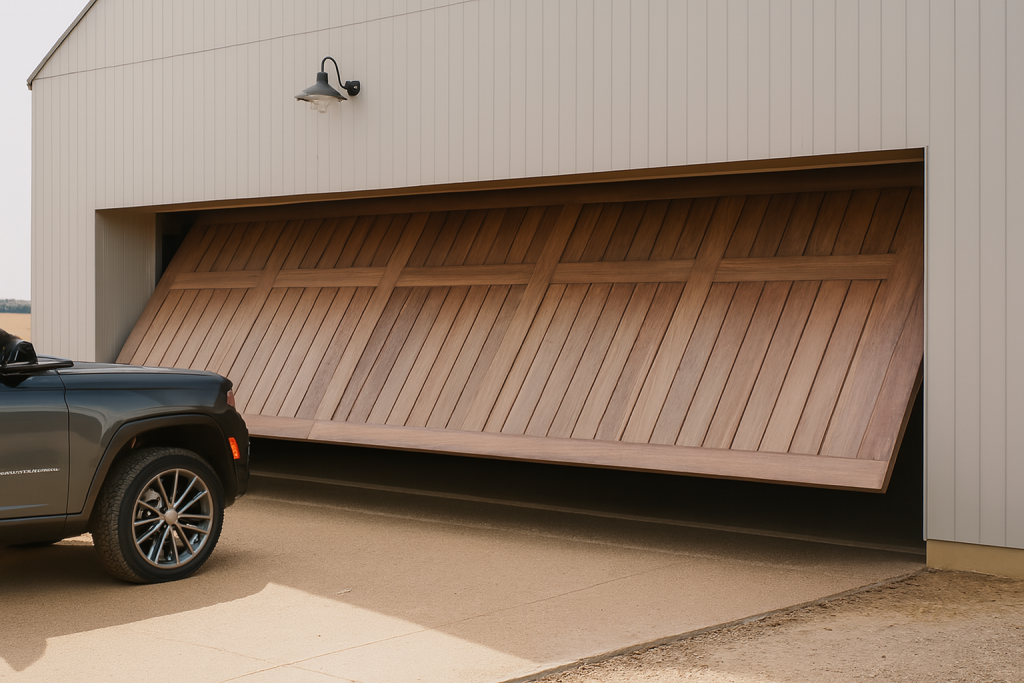
State whether the garage door is closed, open, partly open, jammed or secured out of use. This affects access planning and helps the technician understand whether a vehicle or pedestrian route may be blocked. If the door is stopped partway, appears unstable, moves unpredictably or has visible damage, keep people, pets and vehicles out of its path until advice is provided.
Do not try to force the door into a more convenient position before the appointment. Do not use the manual release, reconnect a motor after a power interruption or disconnect electrical equipment unless the exact product’s current instructions and the circumstances make it safe to do so. Springs, cables, tracks, brackets and related settings are not suitable home preparation tasks.
Clear a safe working area where possible
If the garage is accessible without moving a faulty door or reaching near damaged parts, move ordinary portable items away from the door’s likely travel path. Park vehicles clear of the opening and make space around the motor, tracks and wall controls. Keep ladders, tools, bicycles, boxes and loose storage off the floor near the work area. A technician can work more safely when they do not need to step around clutter.
Do not remove covers, shift wiring, unbolt shelving or take down fixed building elements to create that space. Let the repair team know about a ceiling rack, restricted side access, low beam, storage cabinet or other fixed obstacle. That information is more useful than a rushed alteration that could cause another problem or conceal how the garage is normally arranged.
Gather the model and service details
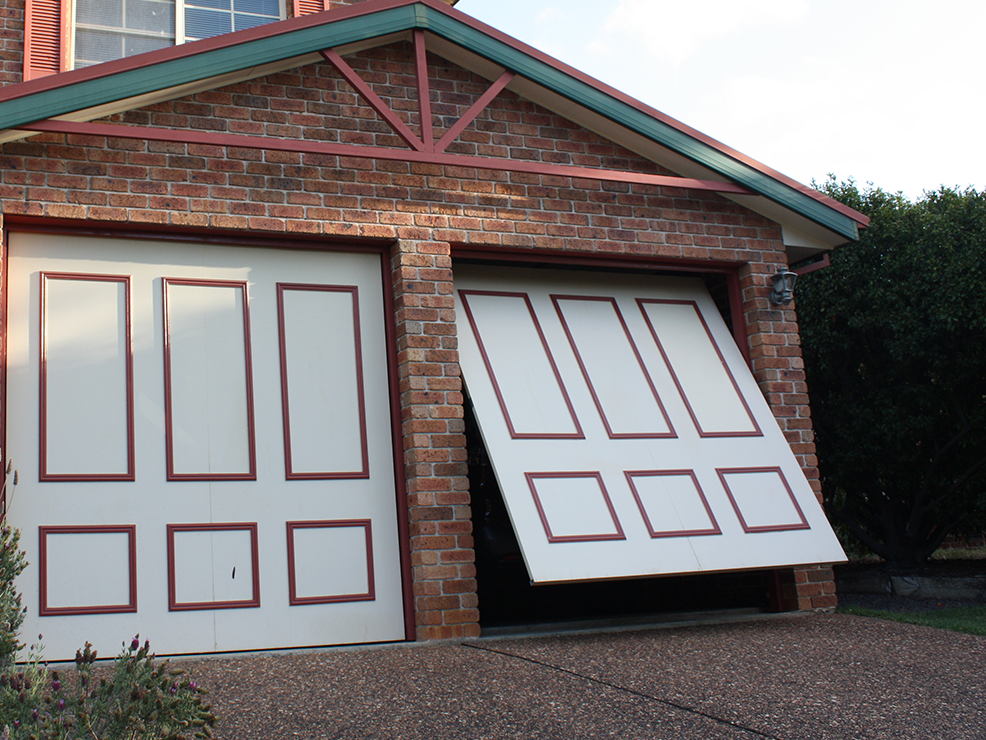
Find the door and opener information you already have: the Merlin model number, owner manual, previous invoice or service record. A photo of the opener label can help when it is safely visible. Also record the door type, such as roller, sectional or tilt, but do not guess if you are unsure. The technician can confirm it on site.
Bring any previous repair documentation to the discussion. It may show a replaced component, a prior symptom or an accessory that affects diagnosis. Keep personal account passwords, network credentials and recovery codes private. If a smart-control issue is part of the enquiry, describe the visible symptom and equipment model instead of sending account access information.
Prepare the people and access arrangements
Choose an authorised adult who can explain the issue and approve access to the garage. Arrange for pets to be kept away from the work area and make sure household members know not to operate the door during the visit. If a remote is needed for diagnosis, give it to the person coordinating the appointment rather than leaving it unattended in a vehicle.
Mention parking restrictions, gated access, unusual driveway conditions or a site contact when booking. Do not promise that a garage can be safely entered if a damaged door blocks the only route; explain the real position. Clear access information helps the team decide what equipment and time may be needed without exposing anyone to unnecessary risk.
Use the visit to understand the proposed work
Ask what condition was found, what repair is proposed and whether any part of the system remains outside that scope. If a replacement part, accessory or opener is discussed, ask how it relates to the actual door and whether compatibility needs to be confirmed. A clear explanation makes it easier to distinguish an immediate repair from a separate future decision.
Keep the completed work description, invoice and owner guidance with your property records. Note the symptom that led to the visit and the date it was reported. Eastern Garage Doors can help Melbourne homeowners prepare for a repair assessment; when booking, provide the door position, observed issue and any known model details.