









New Garage Doors
What Happens When You Arrange a New Garage Door Installation

Dec
Reviewed and updated: 14 October 2026
Arranging a new garage door is easier when the stages are clear and the unconfirmed details stay unconfirmed until they are checked. The process normally begins with an enquiry and a conversation about the opening, current door and what you want to change. From there, a professional measure and written scope provide the basis for an installation plan.
Start with a clear enquiry
At the enquiry stage, useful information includes the door type you have now, any visible damage or recurring problem, how the garage is used, photos if requested and your preferred outcome. You do not need to diagnose the mechanism. It is more helpful to say what happens and when than to guess which component is responsible.
What happens at the measure
The site measure is where fit and movement are considered. The installer can check dimensions, headroom, clearance, access and the surrounding structure, then discuss whether the preferred style is appropriate. This is the point to raise a renovation, a change of vehicle, ceiling storage or a desire for automation.
Use the written quote as the reference point
A written quote should identify the proposed door and the work included, along with any assumptions or matters still needing confirmation. Avoid relying on verbal expectations about production dates, payment arrangements or extras. Lead times and practical arrangements can change, so request the current details in writing for your order.
Installation and handover
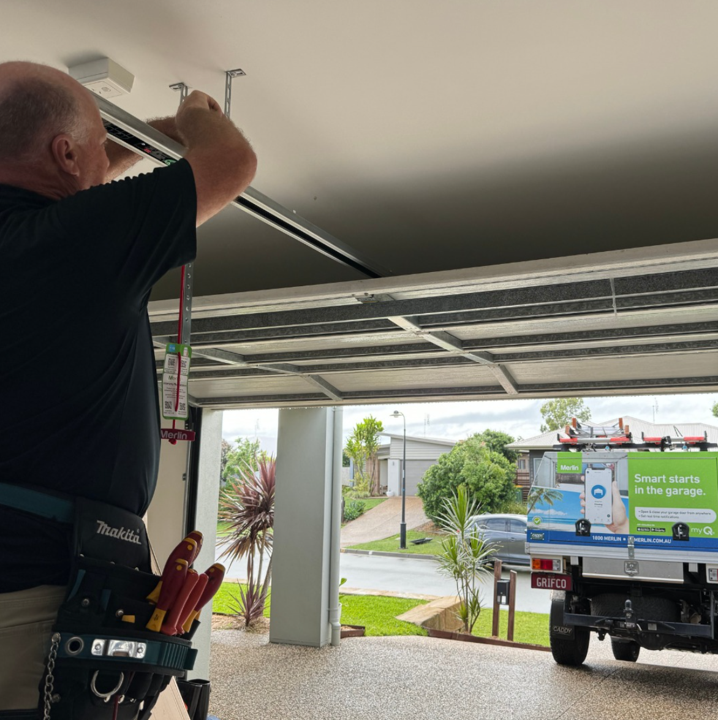
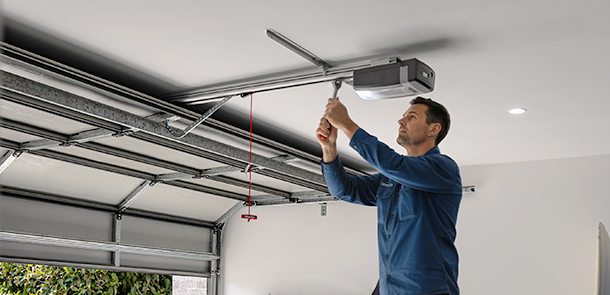
On installation day, access to the garage and a clear work area help the team carry out the agreed work. At handover, ask for the operating information and documentation that apply to the installed system. Any uncertainty about normal use or future service should be resolved with the installer, not by adjusting moving hardware yourself.
Resolve the decisions that affect the order
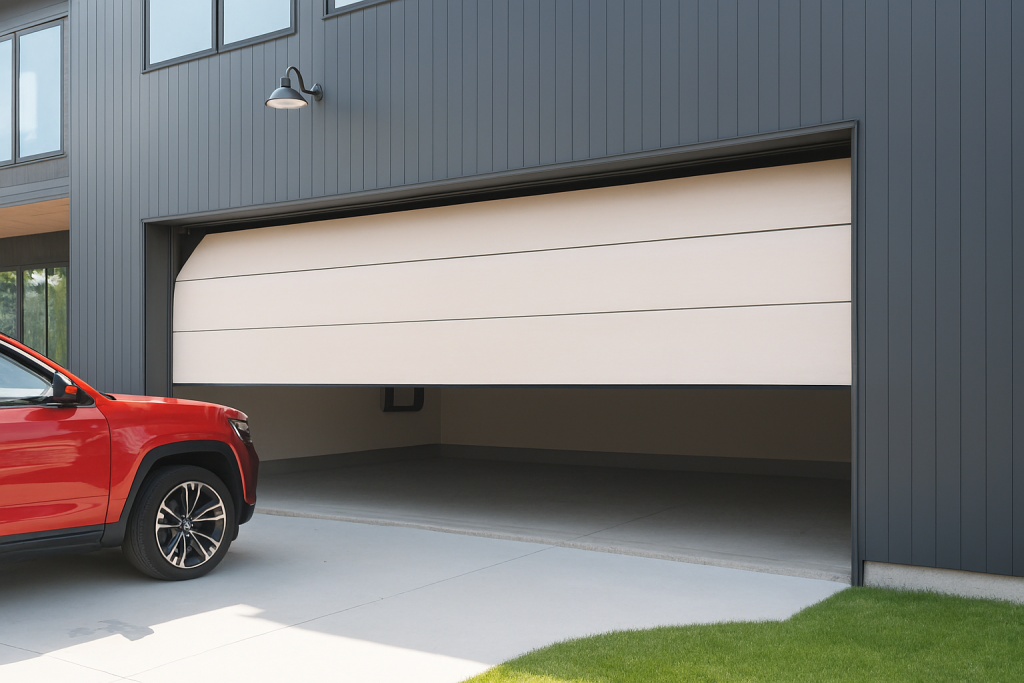
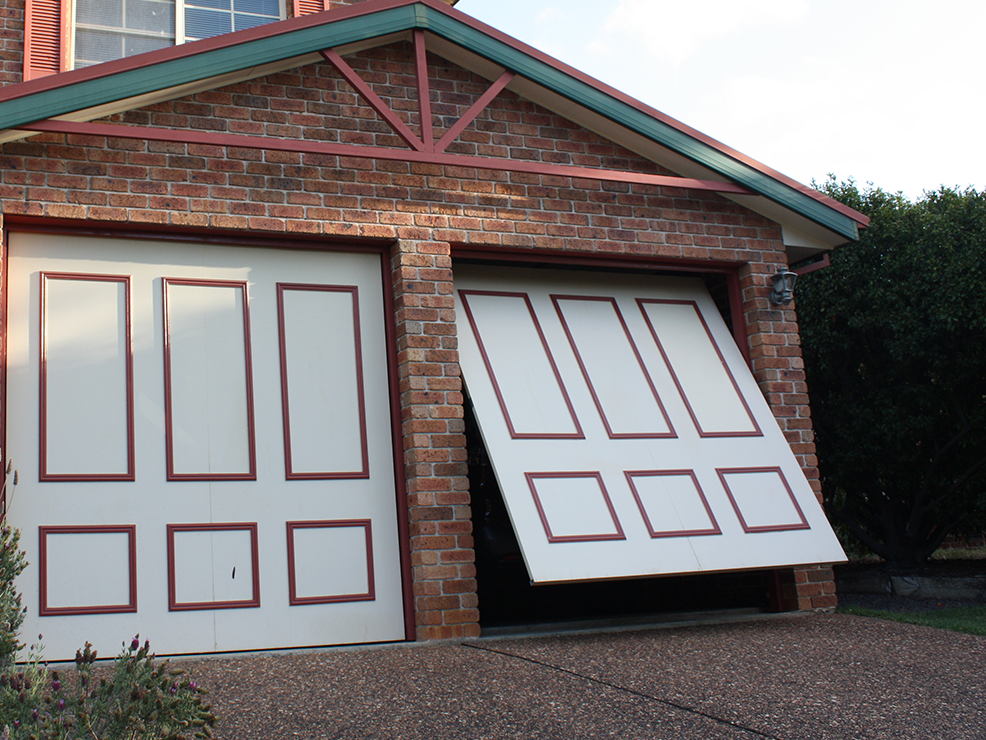
Before approving an order, confirm the door type, finish, visible pattern and any opener or controls included. If a selection is still provisional, identify it as such. A colour discussed on the phone should not become an assumed manufacturing instruction. Keep the final selection with the quote so the installer and household are working from the same description.
Ask which decisions must be final before products are ordered and what happens if you change one later. This matters during a renovation, when a paint colour, cladding detail or driveway level may still be unsettled. Tell the team about those dependencies early rather than expecting the door order to absorb later building changes.
Confirm who completes the site preparation
A door installer needs the opening to match the agreed conditions. Ask whether any structural preparation, power supply or other trade work must be complete before installation. Identify who is responsible for each item and how readiness will be confirmed. Do not treat an unfinished opening as equivalent to the dimensions on a plan.
For a replacement, confirm removal and disposal arrangements and any parts proposed for reuse. Keep routine household preparation separate from technical work. Moving loose boxes or arranging parking is different from removing brackets, disconnecting a motor or taking down the old door. Leave the door mechanism to the people carrying out the installation.
Make an access plan for the booked work
Ask how the team will reach the work area, where vehicles should be parked and whether the garage will be unavailable for a period. If it is your usual entrance, plan another safe route for the household. Keep pets and children away from the installation area. Arrange for the person who can answer job-related questions to be reachable at the agreed time.
If tenants, neighbours or other trades use the same entrance, coordinate those arrangements before the visit. Confirm the current booking and any dependencies directly. An online article cannot establish your arrival window or completion time; those details belong to the specific booking and conditions found on site.
Understand how unexpected conditions are handled
Ask what will happen if removal of the old door reveals a condition that changes the work required. The useful questions are who explains the finding, how the revised work is described and when approval is sought. Keep any agreed change with the original proposal. That record prevents a later discussion from depending on different recollections of a conversation.
Do not try to keep the original programme moving by improvising a fixing, altering electrical work or asking for an unsuitable component to be reused. If another professional needs to attend, clarify the next step and the access arrangements while the work is incomplete. The finished system needs to suit the actual opening.
Use handover to learn the installed system
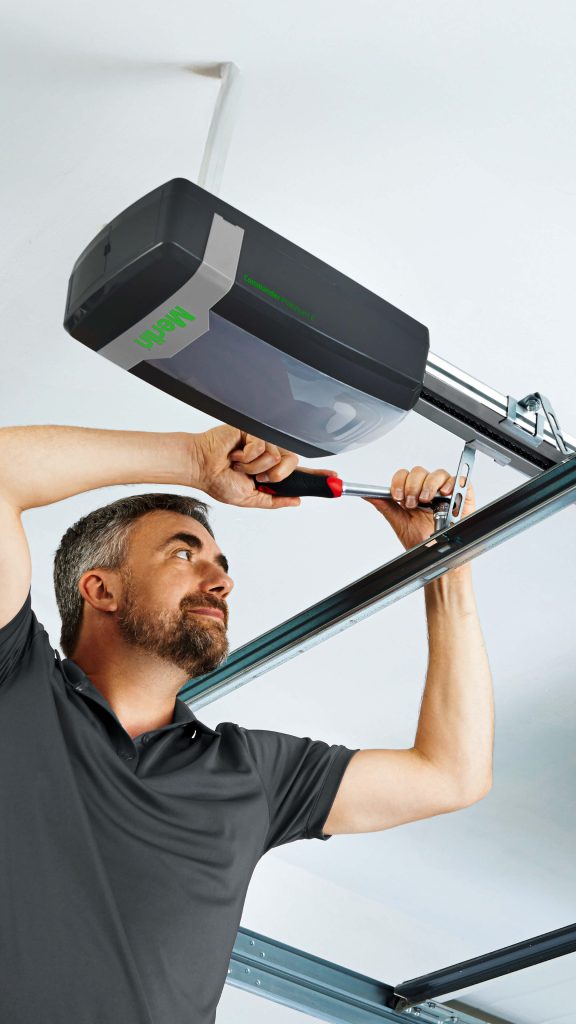
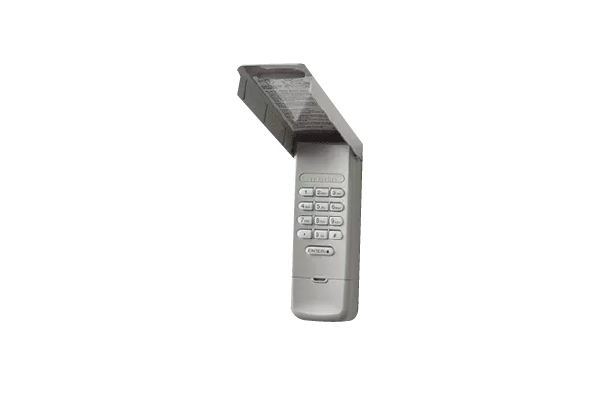
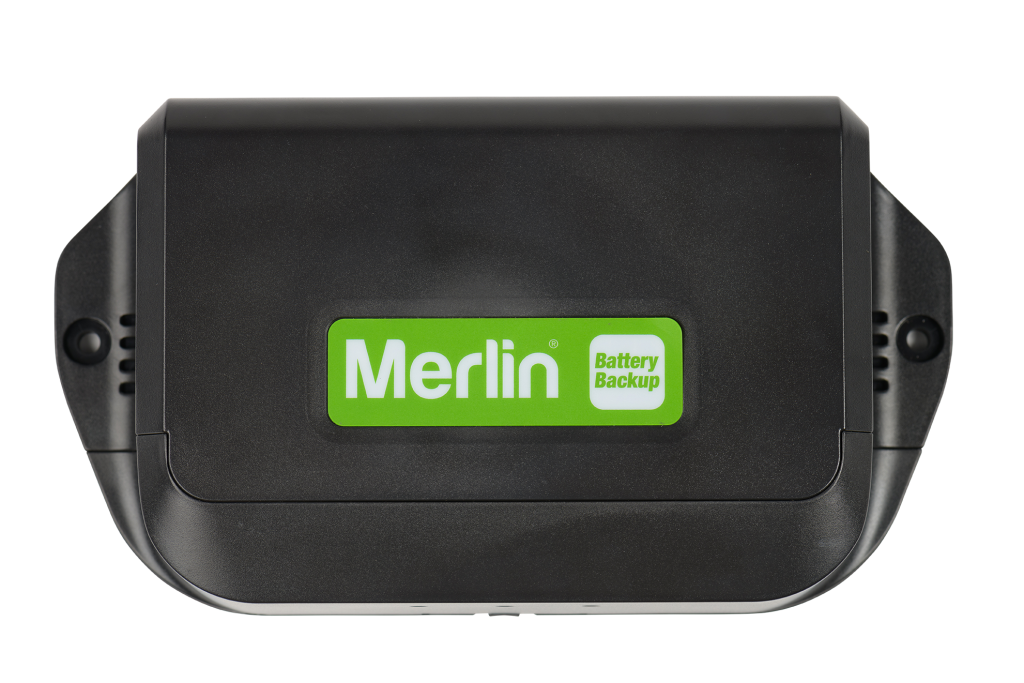
Ask the installer to demonstrate normal use and identify the controls supplied. Confirm which remote operates which door, where the manual can be found and how to obtain help for the exact Merlin model if one is installed. Record the product details and retain the invoice and warranty documents together.
Ask for the documented manual-release procedure and its limitations to be explained while the system is in normal condition. Do not learn by pulling a cord on an open or damaged door later. Also clarify which owner-care tasks are permitted by the relevant manuals and which require a service visit. A handover should make daily use understandable without turning the homeowner into the installer.
Keep the first service enquiry factual
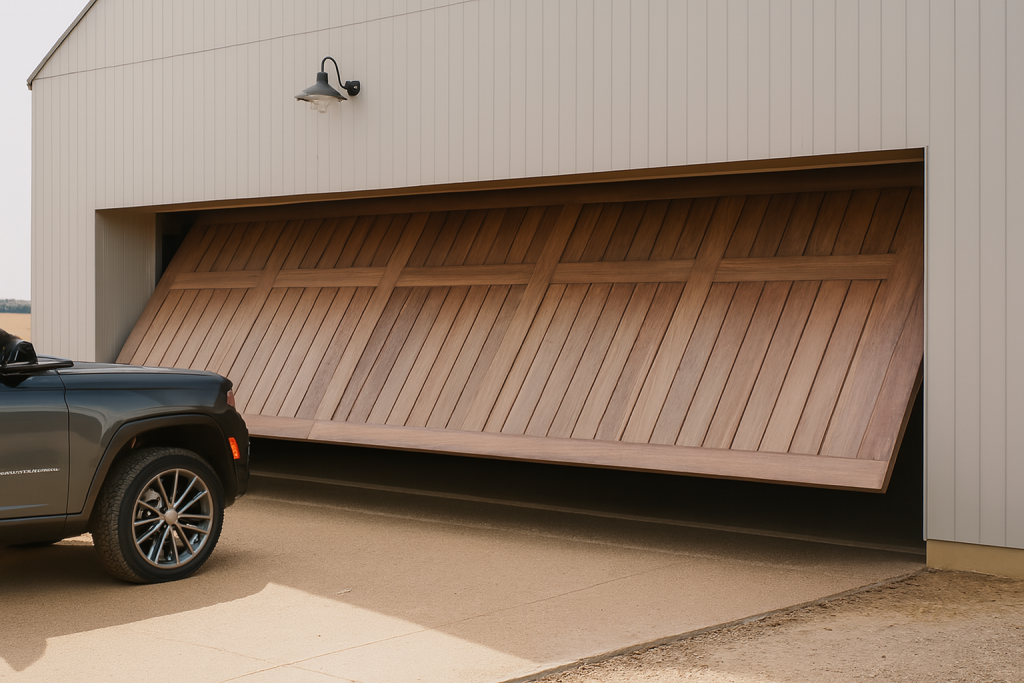
If movement changes after installation, record what happens, when it began and the door’s current position. Stop using a door that becomes crooked, jerky, damaged or unpredictable. Refer back to the installed model and the contact details supplied. A clear description helps the service conversation; changing limits or force settings before calling can conceal the original symptom.
To begin a new-door enquiry, contact Eastern Garage Doors with the property details, current arrangement and the outcome you want to discuss.