






Safety & Security
Teaching Children Safe Habits Around the Garage Door
Reviewed and updated: 14 October 2026
Children need clear, consistent rules around a garage door. They do not need a demonstration of what happens when a moving door meets an obstruction, and they should never be responsible for making the doorway safe. Teaching works best when adults use a few simple instructions, show the safe route while the equipment is stationary and follow the same habits themselves. The conversation should match the child’s understanding and the actual layout of the home.
Explain the rule in concrete words
Instead of a general warning to “be careful”, explain the action you expect: wait here, stay away from the moving door, and ask an adult before going into the garage. Point out a waiting place that is clear of both the door’s movement and any vehicle route. Check that it is suitable for the actual property rather than choosing a convenient spot beside the opening.
Use calm repetition. A child may remember a short instruction more easily than a detailed explanation of springs or sensors. You can explain that the door is heavy and moves under power without frightening them or describing injuries. The adult’s job is to supervise and control access, even when a child can repeat the rule correctly.
Show the safe route with everything stationary
Walk through the ordinary pedestrian route when the door and vehicles are stationary and the situation is safe. Explain where to wait while an adult deals with the controls and when it is appropriate to move through. Do not run the door as part of a game, ask a child to race it or demonstrate its reversal using a person or object.
Talk about things a child may want to collect from the garage, such as a bike or school bag. Make it clear that an item near the door can wait for an adult. If a toy rolls into an unsafe area, the correct response is to stop and ask for help. Retrieving belongings should never become a reason to reach towards moving components or pass beneath a moving door.
Keep the remote out of the lesson
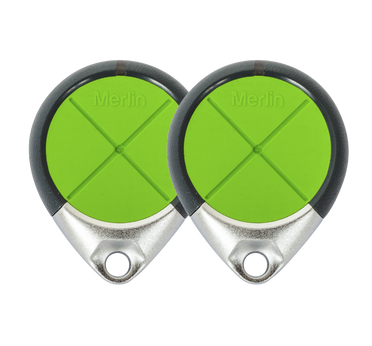
A remote is an adult-controlled access device. Letting a young child press it as a reward can blur the rule that controls are not toys. Store remotes where adults can manage them, including those normally left in vehicles. Review spare controls too; an unused remote in a drawer can still operate the door.
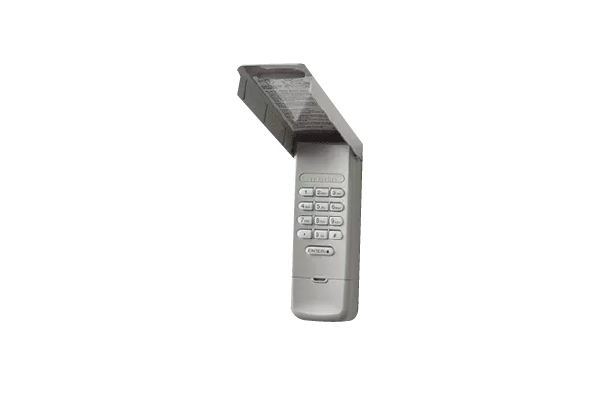
For an older household member who will be authorised to use a control, provide the exact operating information for the fitted system and supervise their understanding. Age alone does not establish readiness. They need to know how to check the opening, wait for movement to finish and stop if anything is abnormal. Do not teach programming changes, manual release or equipment adjustment as part of ordinary access.
Make adult behaviour match the words
Children notice when adults duck under a closing door or press the remote while walking away. Those shortcuts weaken the instruction to wait and watch. The person operating the door should have a clear view of the opening and remain attentive until the movement has finished. Nobody should use the door’s safety equipment as permission to take a shortcut.
Keep the same approach during rushed departures. Put school bags and other items in a sensible place before moving the vehicle, and have children wait with a supervising adult where possible. If the routine becomes confused, stop and reset it. Saving a few seconds is not a reason to operate the car and door while someone is crossing the opening.
Include visitors and other carers
A grandparent, babysitter or visiting parent may not know how your garage is used. Explain the waiting place, the pedestrian route and who controls the door. Tell them about any access difficulty or door problem before leaving them responsible for children. Do not assume that experience with their own garage gives them the details of yours.
When other children visit, keep supervision with the adults rather than asking your child to enforce the rules. Play should take place away from the garage-door and driveway movement areas. Bikes, scooters and balls need storage that does not invite a child to reach beside tracks or guides. The physical setup should support the lesson instead of creating a repeated temptation to ignore it.
Explain what to do when something is wrong
Give children one uncomplicated instruction for unusual noise, an unexpected stop or a damaged door: stay clear and tell an adult. They should not try another button, pull a cord or help move the door. Adults should stop using an abnormal installation and arrange appropriate assessment rather than asking a child to observe it more closely.
The household can keep the opener manual and service contact details where adults can find them. Merlin’s safety accessories may form part of a compatible installation, but no device replaces the adult responsibility to manage the opening. Equipment concerns belong with an appropriately qualified professional.
Revisit the lesson as routines change. A child starting school, learning to ride or becoming more independent may use the garage differently. Keep the core message consistent: wait clear, let the door finish moving and ask an adult when unsure. Eastern Garage Doors can assess the door and its controls when the household needs advice about the equipment supporting that routine.
To discuss your garage door, contact Eastern Garage Doors with the door type and the question you would like assessed.