






Safety & Security
A Child-Safety Checklist for Your Garage and Driveway

Jul
Reviewed and updated: 14 October 2026
A child-safety check of the garage begins with the space, not with testing a moving door. Look at where children can go, what they can reach and how adults normally use the opening. A clear route and controlled access to remotes matter alongside the condition of the door and its installed safety equipment. Do this review with the door stationary and children elsewhere, then use the findings to improve the household routine or ask for professional help.
Check the route between the house and driveway
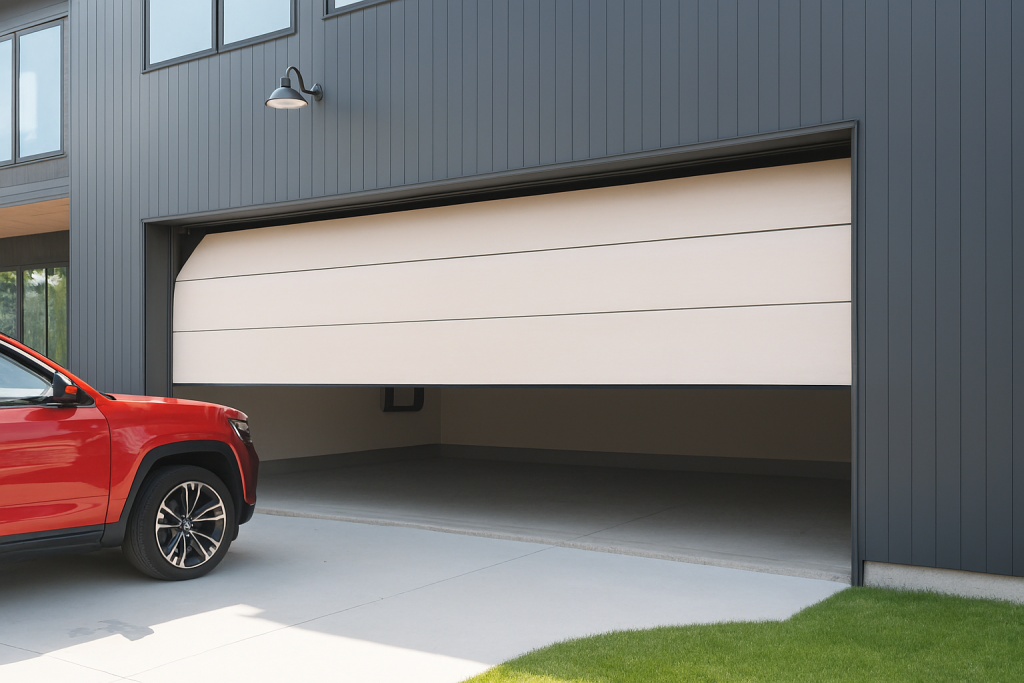
Follow the ordinary pedestrian route in your mind. Does it cross the vehicle’s parking space? Do school bags or shoes narrow the path? Is there a point where an adult loses sight of a child behind shelving or a parked vehicle? Identify those places without asking a child to stand there while a car or door moves.
Move portable clutter to a suitable location where it cannot obstruct the door or its equipment. Keep the route usable when the vehicle is parked, not just when the garage is empty. If the layout leaves no clear, supervised route, raise that with an appropriate professional. Telling a child to squeeze around a car is not a substitute for planning how the entrance should be used.
Review access to remotes and controls
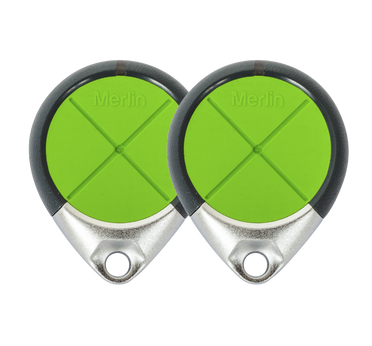
Find every remote, including spares in drawers and controls left in vehicles. Decide where they should be kept so adults can manage access and young children cannot treat them as toys. A remote in an unlocked car may be easy for a child to find even if the wall control is out of reach.
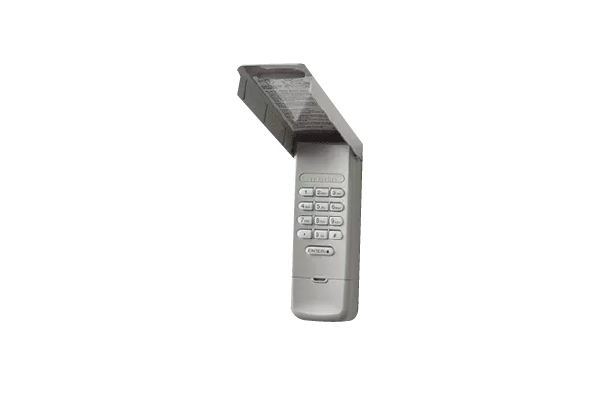
Look at wall controls and keypads without relocating or altering them. If their position creates a concern, ask the installer or service provider what is appropriate for the exact system. Controls should support a clear view of the opening. Do not mount a new control or copy an installation height from a different product without checking the applicable instructions and site requirements.
Look for tempting storage near the door
Sports equipment, outdoor toys and bikes can draw children towards the opening. Give those items a storage place away from moving components and outside the area occupied by the door. A ball beside a guide or under a partly open door should be retrieved only after the situation has been made safe by an adult; the child should not reach for it themselves.
Check for stacks that could fall into the travel area and items leaning against the door. Keep ladders and climbable furniture away from controls and equipment. Ordinary storage decisions can change what a child can reach, so review the garage after rearranging it. Keep chemicals, tools and small batteries secured appropriately as part of the wider household safety routine.
Treat safety equipment as equipment to maintain
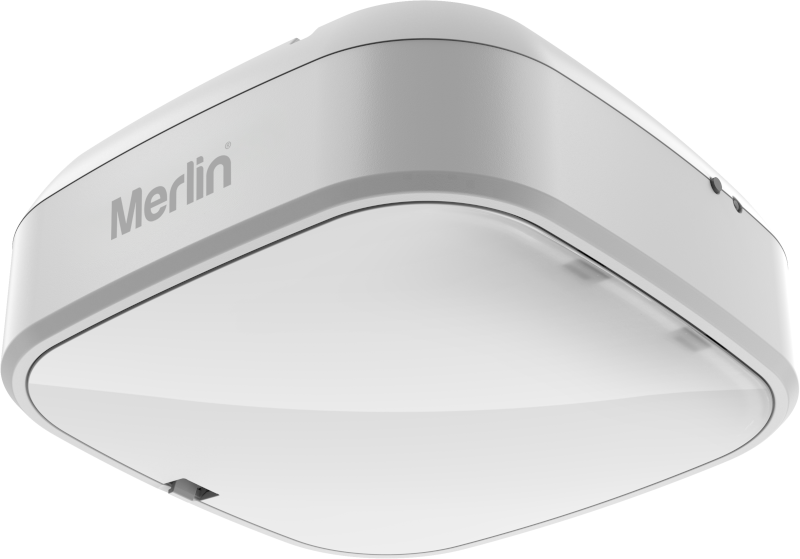
If safety beams are fitted, keep their path free of stored items and tell a professional about damaged housings, loose-looking mounts or a change in normal operation. Do not reposition, cover or bypass them. Do not use a child, pet, hand or improvised obstruction to demonstrate how they work.
Merlin’s safety guidance describes Safety IR Beams for compatible garage and gate openers. Their presence does not mean every part of the doorway is safe for play, or that supervision is unnecessary. Ask which devices are fitted to the actual opener, what their limitations are and what checks belong in its professional service or model-specific owner guidance.
Check the routine when vehicles arrive and leave
The highest-value question may be simple: where are the children before anyone presses the control or moves the car? Agree on a waiting place outside the movement areas and have an adult supervise them. Do not assume they stayed where they were a moment ago. Pause the vehicle or door operation if their location is unclear.
Think about the end of the routine too. Children may want to run inside as soon as the car stops or chase a pet through the opening. Adults should manage the transition from vehicle to house and wait for the door to finish moving before anyone passes through. A reliable sequence is easier to follow than several shouted instructions during a busy arrival.
Record issues that need professional attention
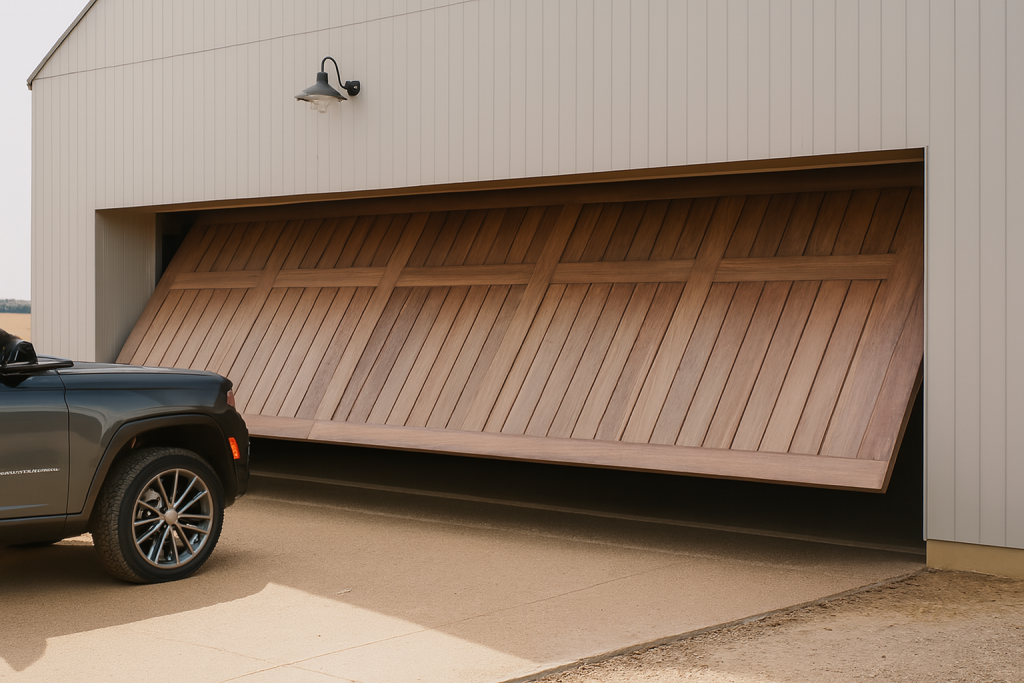
A door that shakes, scrapes, sits crooked, reverses unexpectedly or has visible damage needs attention beyond a child-safety checklist. Stop using it where its operation is abnormal and keep the opening clear. Do not adjust springs, cables, tracks, motor settings or electrical parts. Describe the symptom and current position when arranging help.
Keep a short list of the changes you can make safely and the questions that require an assessment. One household might need better storage and remote control; another might need a discussion about the pedestrian route or installed equipment. Avoid declaring the garage child-proof after ticking a few boxes. Safety depends on the ongoing condition of the installation and the people supervising its use.
Repeat the review when children gain new mobility or independence, when another child visits regularly, or when the garage layout changes. Those moments alter what can be reached and how the space is used. Eastern Garage Doors can assess door and opener concerns while the household maintains the clear routes, controlled access and supervision that equipment cannot provide on its own.
To discuss your garage door, contact Eastern Garage Doors with the door type and the question you would like assessed.