






Smart Garage Technology
Smart Garage Door Openers in Australia: What to Check Before You Connect

Oct
Reviewed and updated: 14 October 2026
Smart garage access should start with compatibility and safe operation, rather than an assumption that every automatic door can be controlled from a phone. The equipment must work together: the garage door, opener, approved smart hardware, safety equipment and home network all have a role. Before buying an accessory or promising remote access to a household member, identify the system that is already installed.
For Merlin installations, use current Australian product and support information for the exact model. Features are not universal across a brand or an older range. A careful check before connection avoids a purchase that cannot deliver the intended function and gives the installer the information needed to plan the work correctly.
Start with the door and opener model
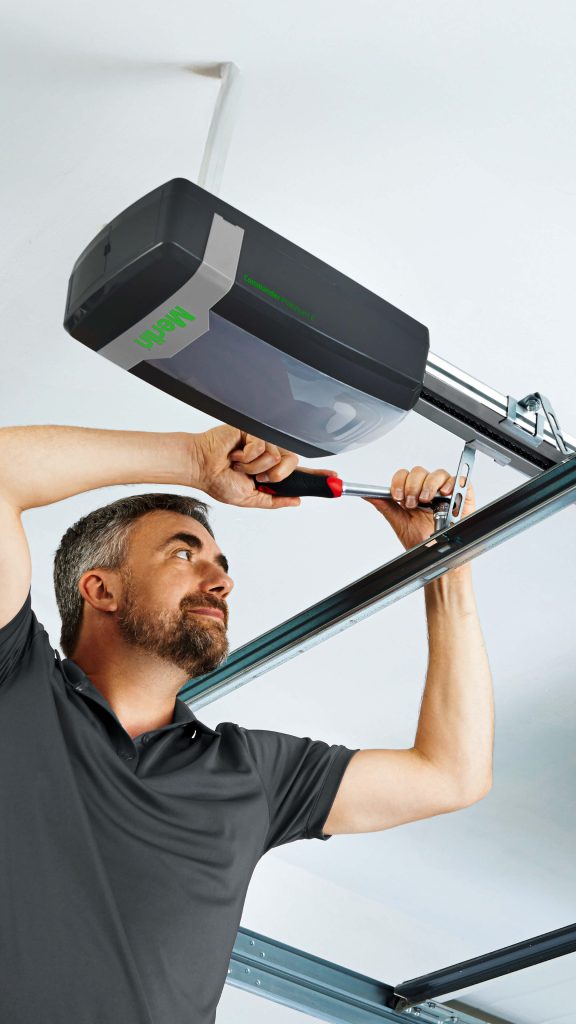
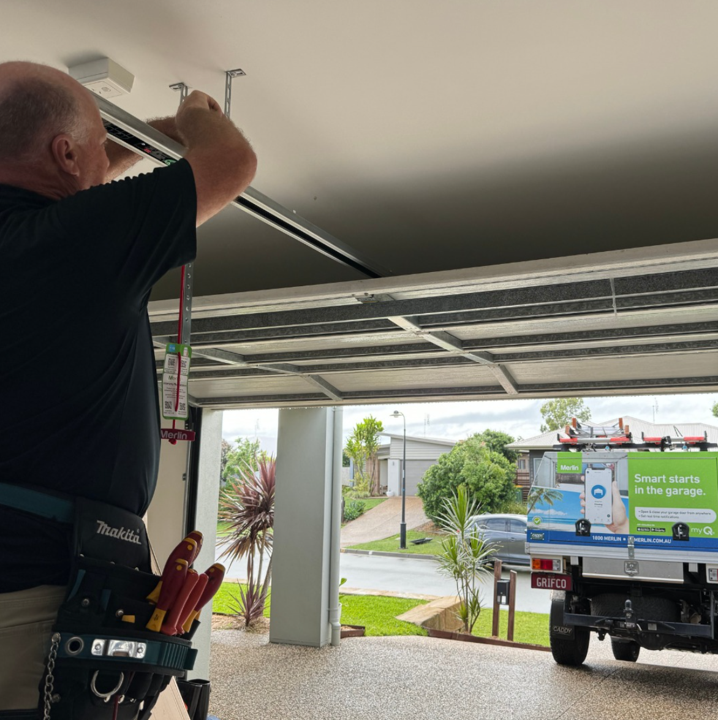
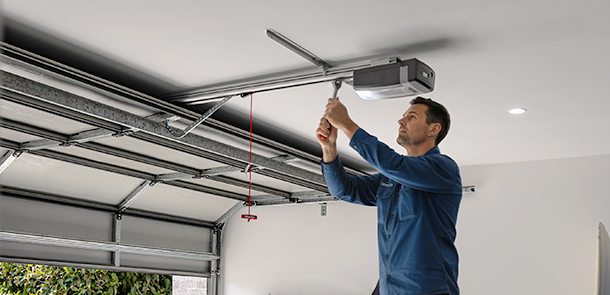
Record the model number of the Merlin opener exactly, along with the type of garage door. The label may be on the motor housing, manual or an earlier invoice. Take photographs only where they can be obtained safely; there is no need to climb around the door mechanism, alter wiring or remove a cover. Add a photograph of the closed door and a simple description of how the garage is used.
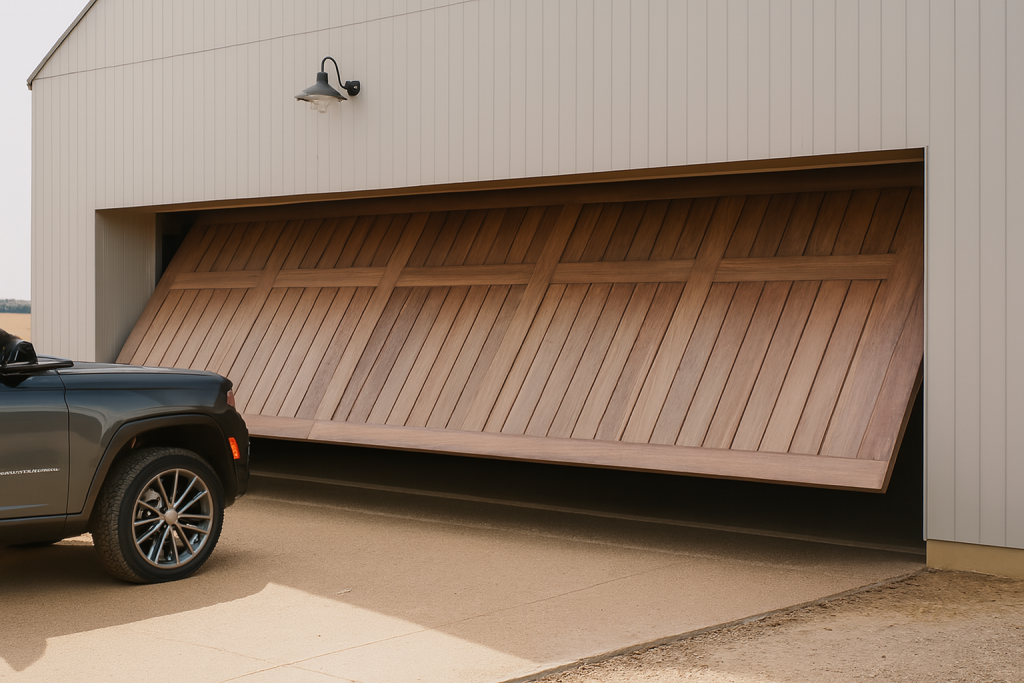
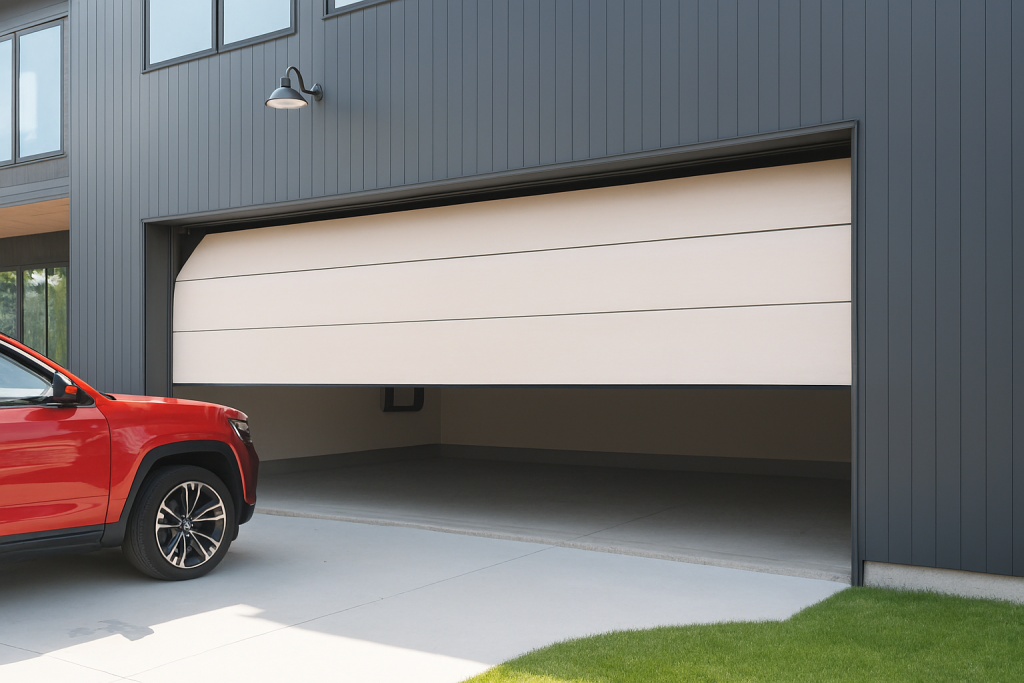
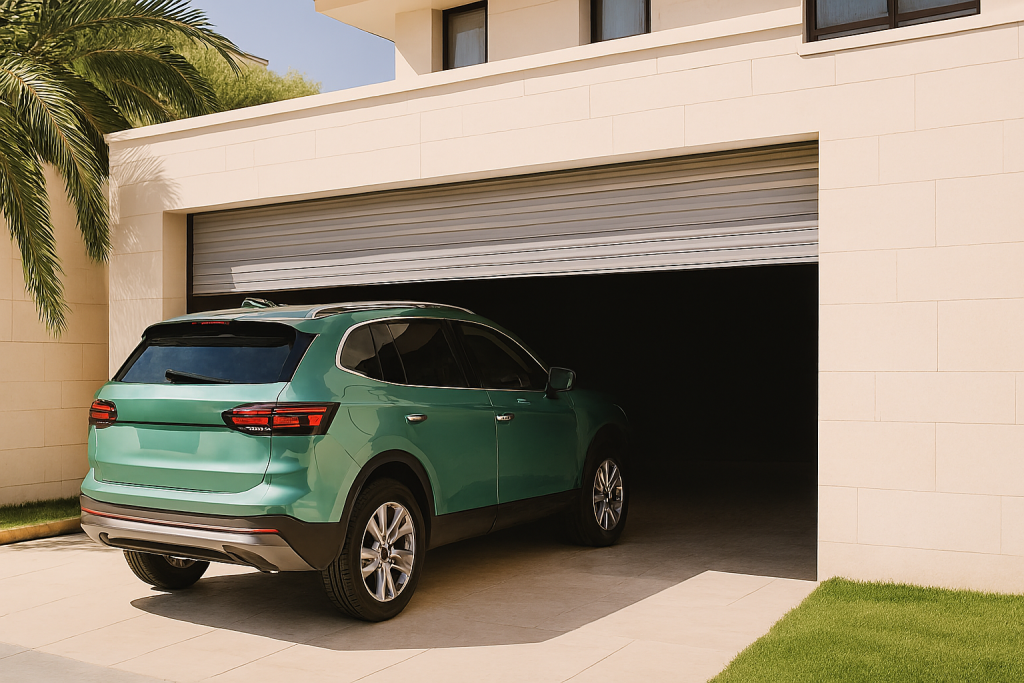
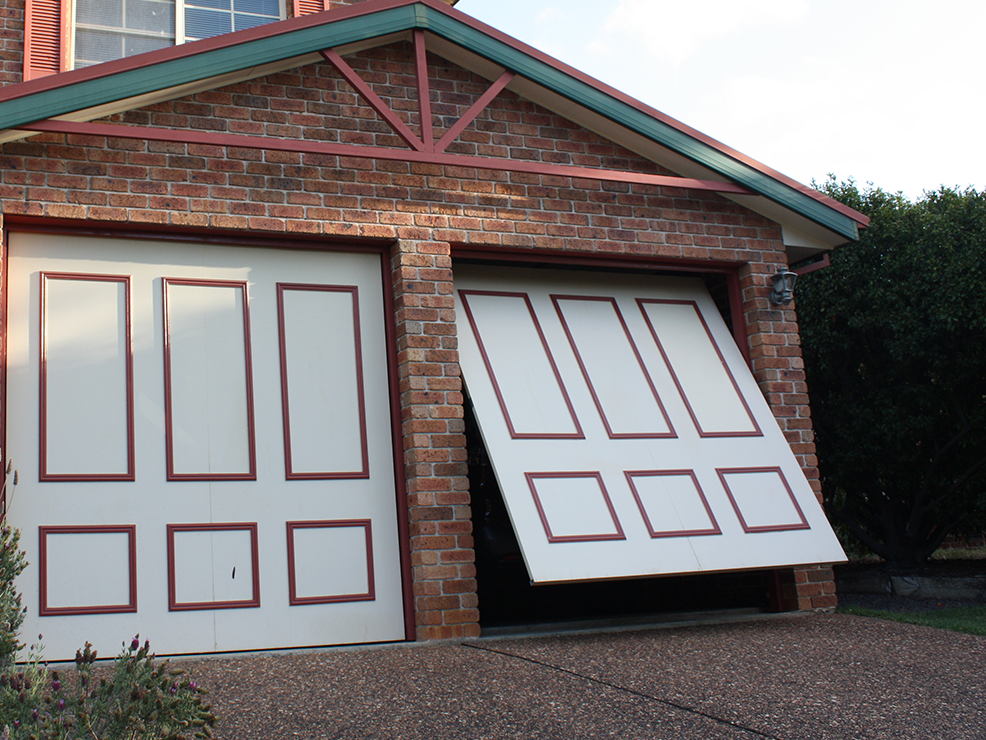
Current Merlin material distinguishes between roller, sectional and tilt doors. That distinction is important because equipment and connectivity can have different limits. The mere presence of a remote control or an older branded motor does not confirm that a gateway or app service can be added. Ask a professional dealer to confirm the precise opener and door combination before ordering hardware.
Understand the myQ compatibility limit
Merlin’s M828AU myQ Gateway information says that the gateway is not compatible with tilt garage doors. It also says that Safety IR Beams are separately available and required for full functionality. These are system requirements, not optional details to resolve after an app has been set up. If the door is tilt, do not assume a different accessory, a new phone or a stronger home network changes that limit.
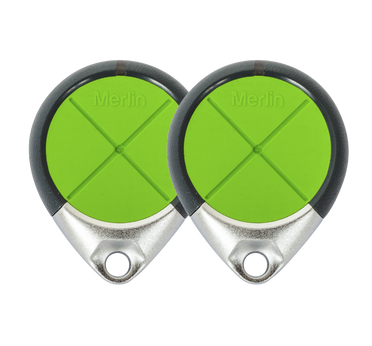
For sectional or roller doors, compatibility still needs to be checked against the exact opener, gateway and proposed arrangement. Give the installer model details and explain the intended use, such as checking status, receiving alerts or managing approved access. The appropriate combination depends on the specific system, and current official documentation should settle it before any claim about available features is made.
Separate internet access from safe door operation
A connected garage system needs a suitable network arrangement, but a good Wi-Fi signal does not establish that the door itself is safe or that the smart equipment is approved for the installation. Describe where the router sits, whether the internet service has been unreliable and whether metal storage, recent building work or a changed garage layout may be relevant. This is useful site context, not a reason to move electrical equipment or run temporary cables yourself.
Keep account passwords, recovery codes and network credentials private. A legitimate installer can advise what information is required during setup. Do not send credentials in an enquiry, write them on a garage wall or leave them with an unknown caller. Agree in advance who will own the account and how access will be reviewed when the household changes.
Plan safe use before enabling remote control
Remote convenience does not remove the need to ensure the doorway is clear. Do not operate a garage door from away from the property if there is a concern about people, vehicles, stored items or a fault at the opening. If the door reverses, stalls, travels unevenly, makes a new grinding sound or has visible damage, stop use and seek professional advice. A connected control should never be used to test a suspected mechanical fault repeatedly.
Do not bypass, cover or reposition safety equipment to make a smart feature appear to work. Safety IR Beams and other required components should be assessed and installed as part of the correct system. Springs, cables, tracks, brackets and electrical connections must not be adjusted as a home troubleshooting step. Those parts can create serious hazards and need professional attention.
Set access rules for the household
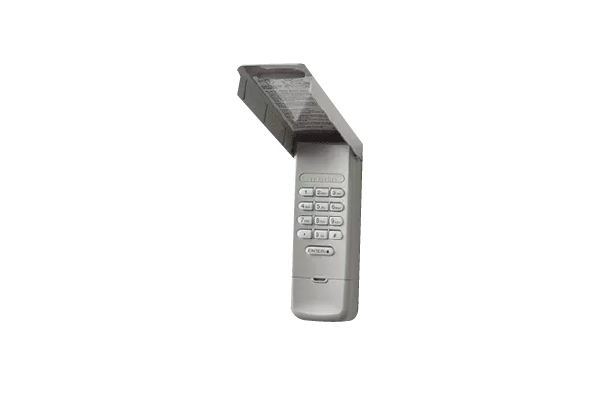
Before connection, decide who needs ongoing access and who only needs it occasionally. Use official controls for the exact approved system rather than sharing one primary login broadly. A concise access record should show who has authorised remotes, app access and responsibility for account recovery. Review that record after a move, change in household, lost phone or change of vehicle.
Smart access is not a promise that a garage is secure in every circumstance. Keep normal property security habits: close the door when practical, investigate unexpected movement and avoid leaving controls or account details where they can be easily taken. If access cannot be accounted for, ask for model-specific support rather than guessing at reset or programming steps from a different product.
Prepare for an informed installation discussion
Have the opener model, door type, photos of the garage layout, intended smart functions and basic network location ready. Mention prior door faults, changes to the router or building work around the garage. Ask whether the equipment is compatible, what safety requirements apply, who should complete the installation and what owner information to keep after commissioning.
Eastern Garage Doors can discuss a compatible smart-garage plan for Melbourne properties. Bring the exact Merlin model and garage-door details to the conversation so that the proposal is based on the current system rather than a generic smart-home expectation.