






New Garage Doors
Choosing an Automatic Garage Door: Questions to Ask Before You Buy

Feb
Reviewed and updated: 14 October 2026
An automatic garage door should suit the opening, the building and the people who will use it. The purchasing conversation is stronger when it begins with questions about site conditions, access and support rather than a promise about a product. A door and its opener are related parts of a system. Their suitability has to be confirmed for the actual installation, particularly where an existing door, renovation or changed household routine is involved.
What does the opening need to accommodate?
Start with the use of the garage. Is it for vehicle access, storage, a workshop, daily pedestrian entry or a combination of those? Tell the installer about vehicle dimensions, parking habits, planned renovations and any access route beside the door. The intended use can affect the practical discussion about door style, clearances and control placement.
Ask for a fresh site measure rather than relying on an old drawing or a neighbour’s garage. Headroom, side room, driveway conditions, obstructions and the surrounding structure all belong in the assessment. The physical opening may limit some options, while an alternative may require separate building work. It is better to identify that before a purchase than to assume every automatic door can be fitted to every opening.
What remains from the existing installation?
For a replacement, ask what condition the existing door, mounting arrangement and electrical supply are in, and which components would remain after the work. A new opener does not automatically make an older door suitable, while a new door does not automatically resolve an access-control question. The proposed scope should identify what has been assessed and what needs separate attention.
Do not test an older door’s balance, alter springs or cables, or force it open to make the assessment easier. If it is heavy, noisy, visibly damaged, uneven or unstable, report that before the visit. An installer or service technician can decide how the condition should be handled. Buying a product based on an assumed fault or an unverified measurement creates avoidable risk.
How will everyday access be managed?
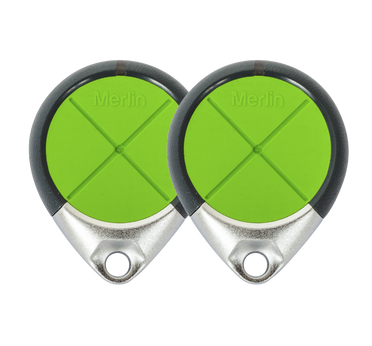
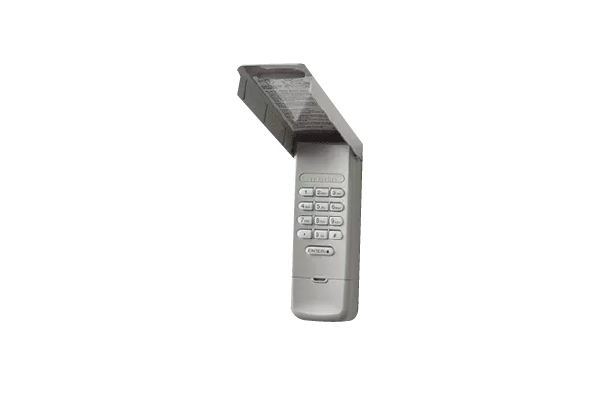
Discuss who needs authorised access and how controls should fit the household routine. Questions may include the number of remotes, placement of a wall control, secure storage of portable controls and whether current Merlin documentation supports the particular connected or accessory option you are considering. These are model-specific decisions, not features that should be assumed from a broad product category.
Ask what information is needed to confirm remote compatibility. Merlin provides a motor-model lookup and current manuals through its homeowner support material. This matters when retaining an existing accessory or replacing a lost one. A similar-looking remote, an old online listing or a universal compatibility claim is not adequate confirmation for an access device.
What safety habits should guide the layout?
Good layout supports good use. The person operating the door should have a clear view of the opening and wait until it has completed normal movement. Children, pets, vehicles and visitors need to remain outside the travel path, and no one should walk or drive beneath a moving door. Ask where controls will be located so these routines make sense in the actual garage.
Ask the installer to explain the operating guidance relevant to the selected door and opener. Do not treat an accessory, sensor or notification as a substitute for supervision. Equipment can support a safe routine, but a clear area and attentive use remain important. Keep portable remotes inaccessible to children and out of sight in an unattended vehicle.
What happens at installation and handover?
Ask what access the installation team will need, what should be cleared beforehand and who should be present for handover. Avoid fixed duration promises because site conditions can affect the work. Clear the driveway and garage work area of vehicles and stored goods, but do not dismantle existing door hardware or alter electrical equipment yourself.
At handover, obtain the installed model details, manuals, warranty information and any owner-care guidance. Keep those documents with property records. Ask what normal operation should look and sound like, and which changes call for a service enquiry. That gives the household a more useful reference than relying on a generic video after the installation is complete.
Which answers should be confirmed in writing?
Before accepting a proposal, make sure it describes the door, the proposed opener or controls, the site assumptions and any work outside the main scope. Ask what compatibility, accessories and after-installation support have been confirmed for the named model. If appearance matters, discuss it separately from mechanical suitability so both decisions receive proper attention.
Choose the provider who can explain the reasoning for the recommendation at your site. Eastern Garage Doors can discuss door, opener and access requirements based on the opening to be assessed. Merlin’s official resources provide the current model information that should support, rather than replace, that conversation.
Sources and support
See Merlin homeowner support for current manuals and compatibility resources. For a site-specific enquiry, contact Eastern Garage Doors; repair concerns can be discussed through servicing and repairs.