









New Garage Doors
Five Reasons Homeowners Consider a New Garage Door

Mar
Reviewed and updated: 14 October 2026
A new garage door is rarely chosen for one reason alone. An older door may still open, yet no longer suit the way the household uses the garage, the condition of the opening or a renovation that is changing the front of the home. The better decision is based on the present property and the next few years of use, with the final door type confirmed after a professional measure.
1. The present door is showing a change in condition
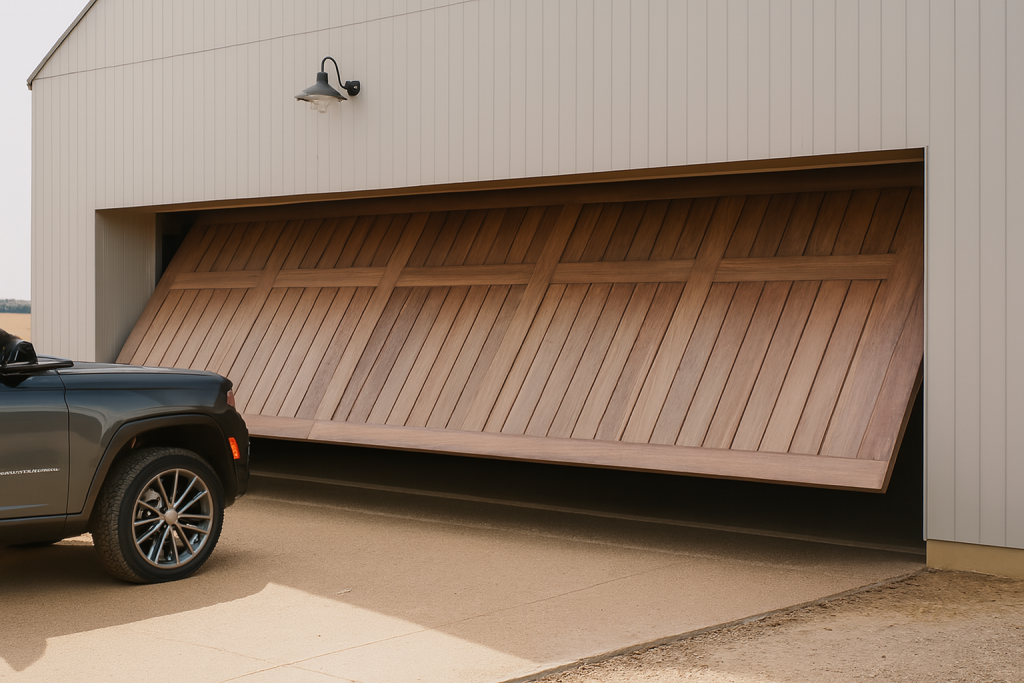
Visible damage, recurring operating problems, corrosion, a panel that no longer sits as expected, or movement that has become inconsistent can prompt a replacement conversation. The first question is not whether replacement is inevitable. It is whether the condition can be assessed safely and whether a repair is appropriate for the existing system. A professional can inspect the door, its movement and the surrounding opening before anyone commits to a new product.
Owners sometimes make the problem harder to describe by repeatedly operating a door that is behaving unpredictably. Instead, make a note of the change: when it occurs, whether the door is opening or closing, what can be seen from a safe distance, and whether an impact or building work happened beforehand. Do not adjust springs, cables, tracks, tension or electrical controls. Those elements are not a do-it-yourself diagnostic exercise.
2. The garage now has a different job
A garage can change from occasional vehicle storage to the household’s main entry, a workspace entrance, a place used around school drop-off, or an area opened by several drivers. That change affects the brief. It may alter how often the door operates, how people approach it on foot, how much space is needed around a parked vehicle, and what information each user needs at handover.
Describe the routine rather than asking for a generic “best” door. Is the garage opened before sunrise? Does a pedestrian use a side path while a vehicle comes and goes? Is there a pram, bicycle, trailer or shelving that shapes how the interior is used? Are different people relying on the controls? Each answer gives the assessor a clearer picture of the operating environment. It does not determine the door in advance, but it prevents a selection from being made around an outdated routine.
3. A renovation has changed the relationship between door and house
A garage door occupies a large part of many front elevations. New cladding, render, brickwork, windows, paving, exterior lighting or landscaping can make an existing door look disconnected even if it remains functional. That is a sound reason to explore a change, provided the visual brief is tested against the opening and the door’s movement requirements.
Take a photograph from the street and another from inside the garage. Bring paint, cladding or window-frame references where they help explain the direction. Then identify what is still unsettled: planned paving levels, a new façade depth, lighting locations, a widened opening or building work that has not started. A finish can be discussed early, but it should not be treated as final until the physical arrangement has been checked.
4. The opening needs a fresh suitability check
An appealing door style has to suit the building as well as the homeowner’s taste. Headroom, side room, the condition of the surfaces around the opening, ceiling layout, storage, services, driveway approach and vehicle clearance can all affect what is practical. A low beam, a shelf placed close to the travel area or a changed driveway surface may be highly relevant even though none appears in a brochure photograph.
This is why estimates based solely on an approximate width and height have limits. An on-site measure gives the professional a chance to inspect the actual opening, ask about the intended use and identify information that remains unknown. If the home is mid-renovation, the design should account for the finished condition rather than only the day of the measure. It is better to leave an option open than to force a door choice before those details are clear.
5. The household wants a more considered access arrangement
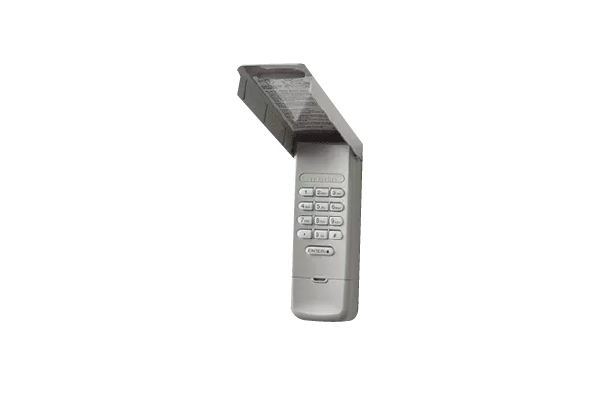
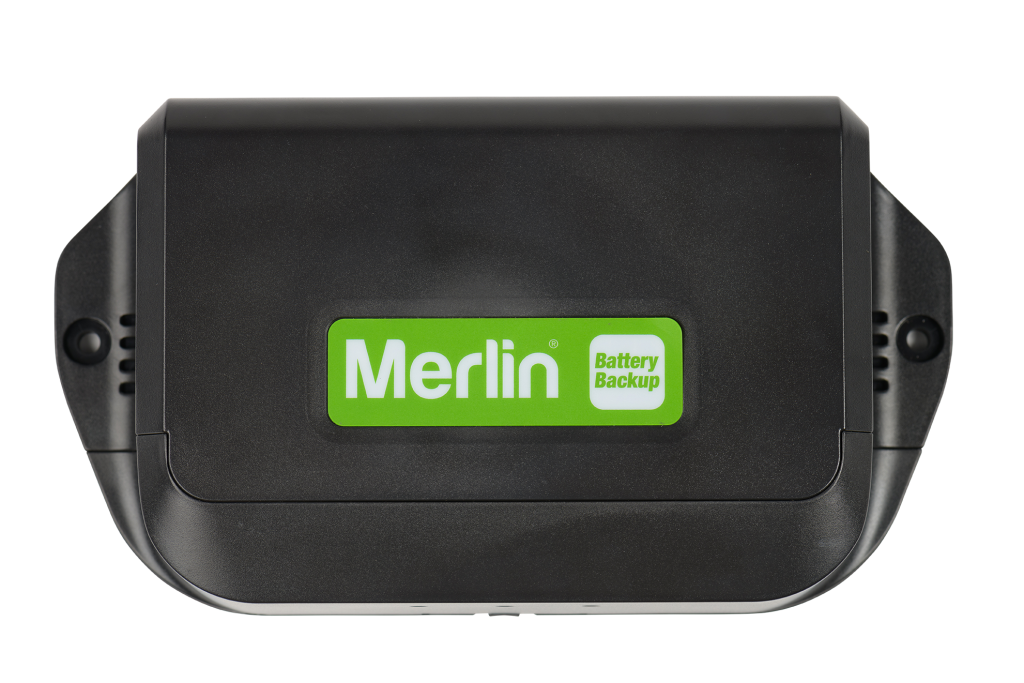
For some homes, the change is about how access will work after the new door is in place. The relevant questions include who needs to enter, what controls are intended, how a person approaches the garage, and how the property should be used during a power interruption. These are planning questions, not promises that any particular accessory suits every door.
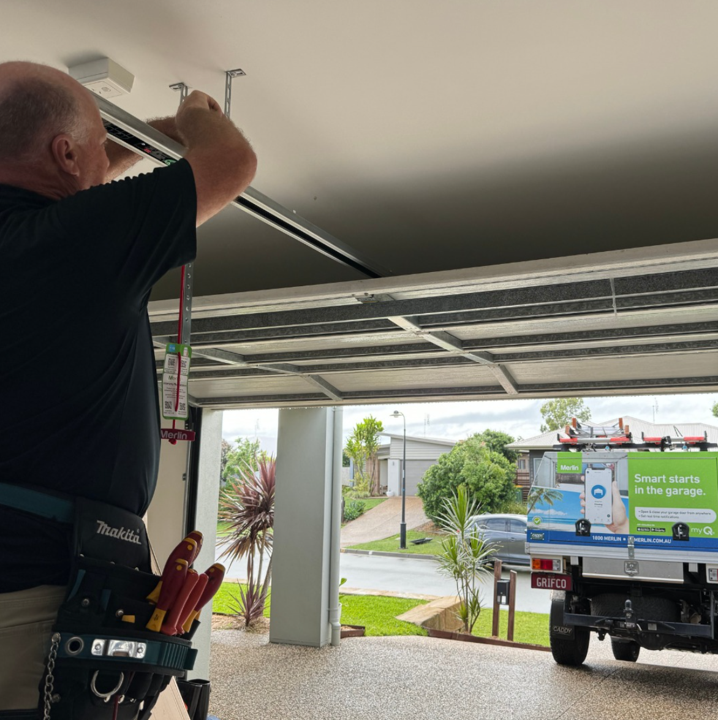
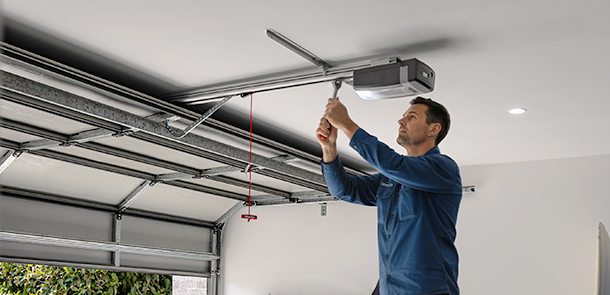
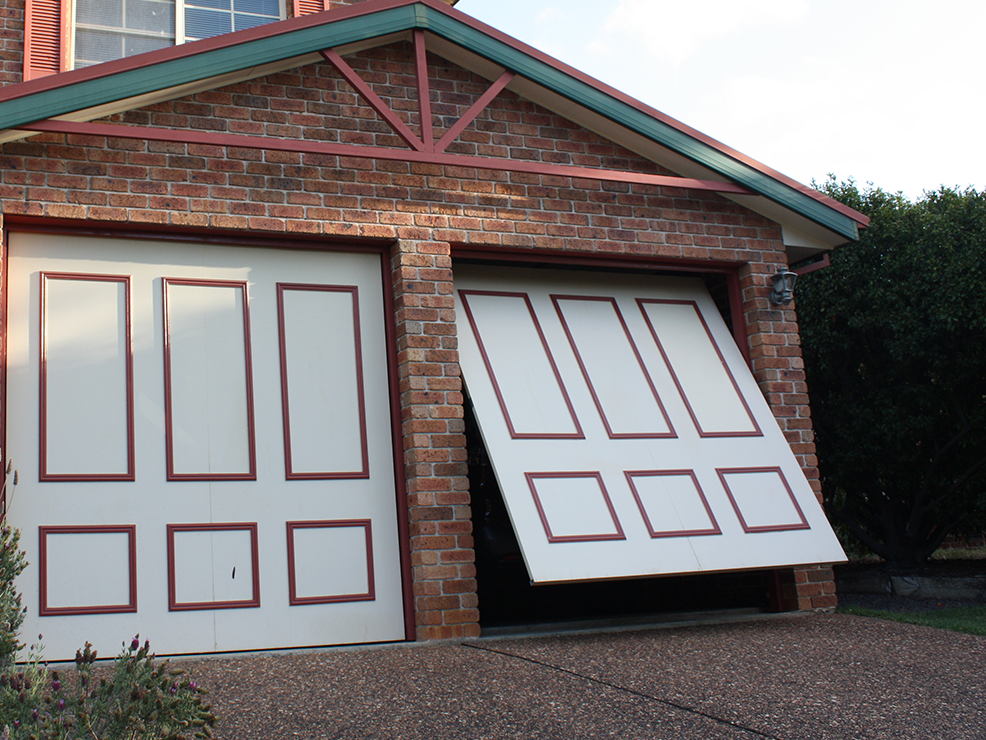
Eastern Garage Doors supplies and installs garage doors and lists roller, sectional and tilt door installation services. If an opener or additional access equipment is part of the brief, ask for the proposed arrangement to be tied to the door and installation being assessed. Merlin publishes model-specific homeowner support information, so product information can support the discussion once the relevant door and equipment are identified.
Turn the reason into a clear decision brief
Before requesting a quote, write down the primary reason for considering a change and the constraints that must be respected. For example, “the door is damaged after an impact”, “the garage will become the main family entry”, or “the façade is being reclad and the driveway will be repaved”. Add the details that a photo cannot show: low internal storage, a steep approach, an access path, restricted work access or a planned change to the opening.
Then separate essential outcomes from preferences. A suitable fit and a safe operating arrangement come first. A colour, texture, window treatment or control preference may be important, but should be checked against the measured proposal. This approach avoids a common dead end where a visual decision has been made before the doorway, driveway and installation conditions are understood.
Questions to ask before choosing
- What did the site measure establish about the opening, clearances and surrounding structure?
- Which door types are suitable for this actual garage, and why?
- What does the proposal include, and which related building or electrical items sit outside the door scope?
- How does the proposed door work with the household’s vehicle and pedestrian routine?
- What operating guidance and product records should stay with the property after installation?
Ask for the answers to be reflected in the final proposal. A written scope gives you something practical to compare if the project includes other renovation work. It also makes later conversations clearer if an existing plan, a finish or the opening itself changes before the work is scheduled.
Discuss the property before deciding
Eastern Garage Doors can assess a new garage door enquiry around the existing opening, the home’s use and planned changes to the property. Bring the observations that prompted the enquiry, design references where they are useful, and any information about building work that could affect the finished space.
Use the Eastern Garage Doors contact page or call (03) 9812 3062 to begin the discussion. If the current door has visible damage or is operating unpredictably, avoid mechanical or electrical adjustments while arranging professional advice.