






Safety & Security
Garage Door Safety at Home: A Family Checklist

Jul
Reviewed and updated: 14 October 2026
A garage door is part of a household’s daily rhythm, which can make it easy to use without thinking. A short family checklist gives everyone the same expectations before a remote is pressed: the doorway must be clear, the operator must be able to see it, and nobody walks, runs or waits under a door that is moving.
Agree on the rule for a moving door
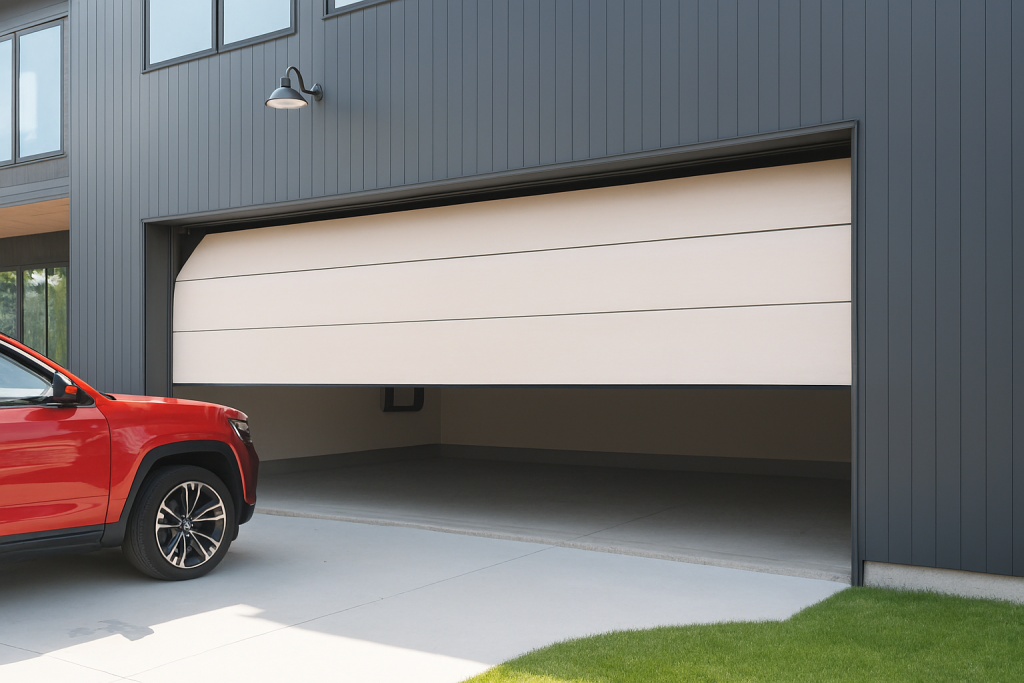
The central rule is simple: wait until the door has completely opened before walking or driving through, and stay clear while it is closing. Do not treat the closing doorway as a race, even when someone has forgotten an item in the garage. A few extra seconds are safer than trying to pass under a moving door.
Put access controls in the right hands
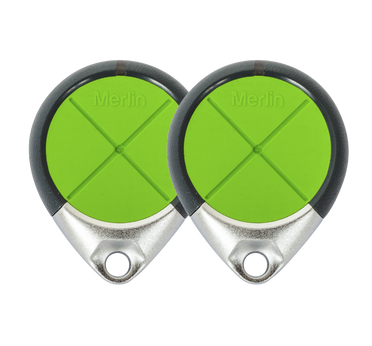
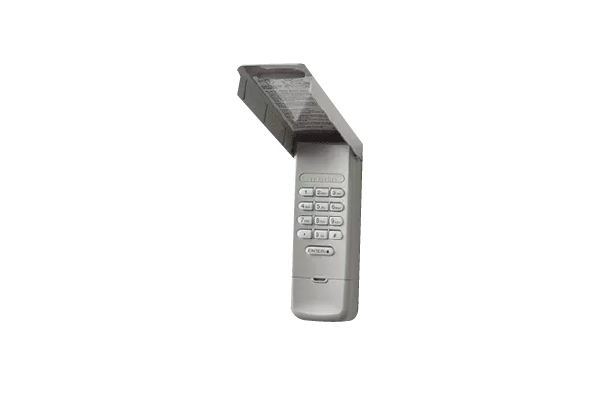
Remotes and wall controls are access devices, not toys. Decide which household members may operate them and keep portable controls out of reach of young children. Visitors, cleaners and older children should know that they are not expected to operate an unfamiliar door. If a control is used, the person pressing it should watch the full doorway rather than leave immediately.
Make the opening a no-play area
Keep play, bicycles, balls and pets away from the garage door opening. This includes the floor space immediately inside and outside the door, where a small item can be missed by a person leaving the driveway. The same rule helps when the garage is used for storage: do not leave boxes, scooters or tools in the opening because someone assumes the door will not be used for a while.
Notice faults without inspecting mechanisms
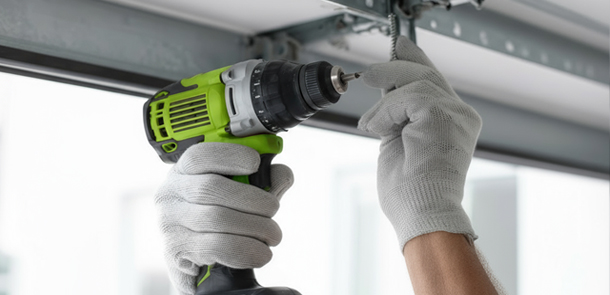
Family safety does not require children or adults to examine springs, cables, tracks, brackets or electrical equipment. Teach everyone to report what they observe from a safe distance: a new noise, a door sitting unevenly, a damaged panel, a remote that behaves differently, or a door that stops unexpectedly. The report can be specific without anyone touching the mechanism.
Use a simple family response plan
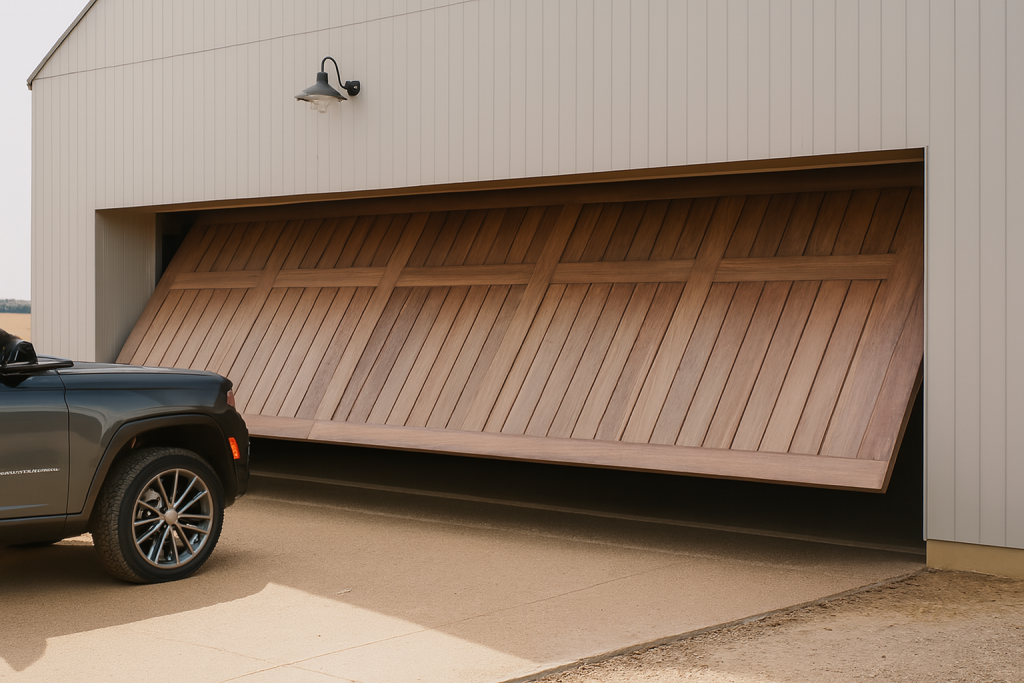
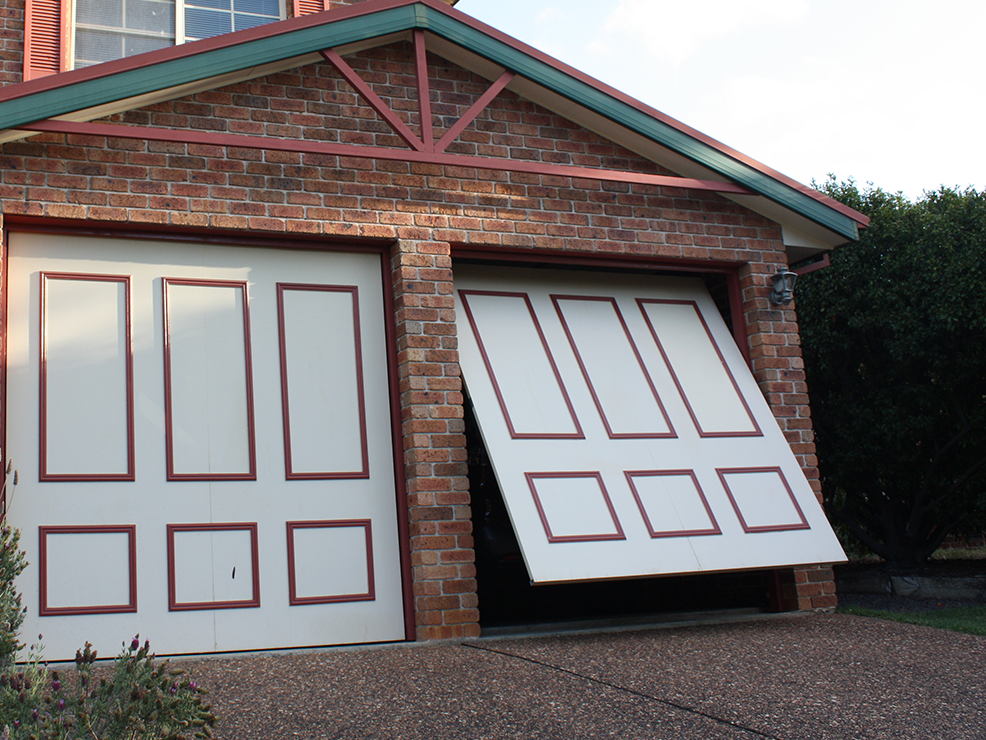
If the door is damaged, unusually heavy, off its usual path or moving unpredictably, make the response predictable too. Keep the doorway clear, do not keep pressing controls, do not try a manual release, and use another entrance if one is available. An adult can arrange professional advice while the door remains out of use.
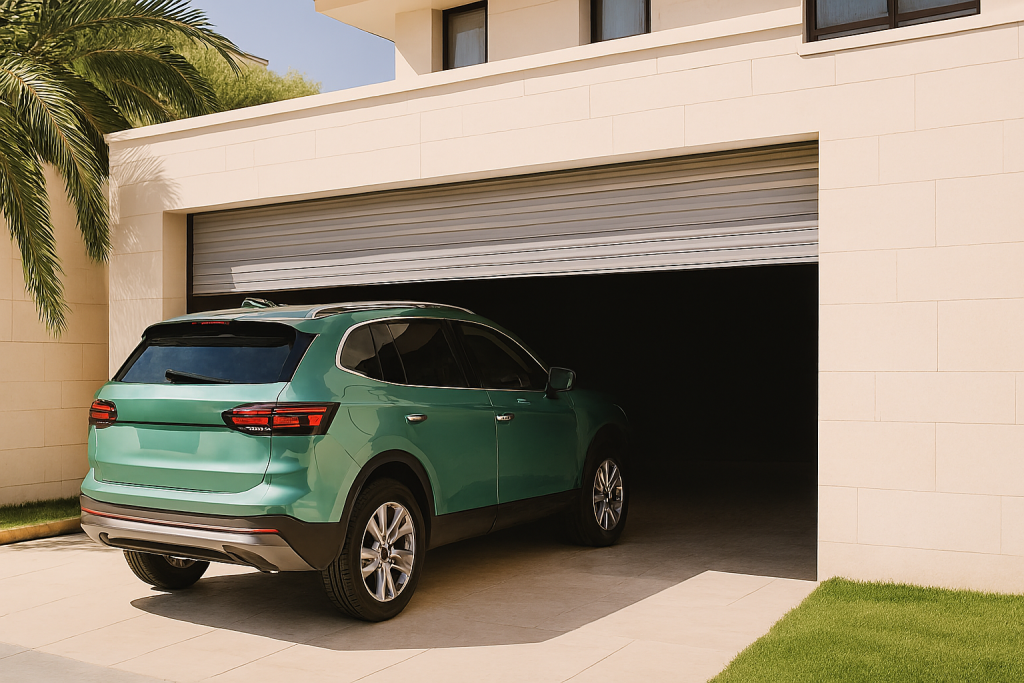
A family checklist should also cover vehicles. Before reversing or driving in, make sure the door is fully open and that people and belongings are clear. Before leaving, look at the opening instead of relying solely on the sound of an opener. This ordinary pause is more useful than installing a complicated family rule that nobody follows.
Understand the fitted safety equipment
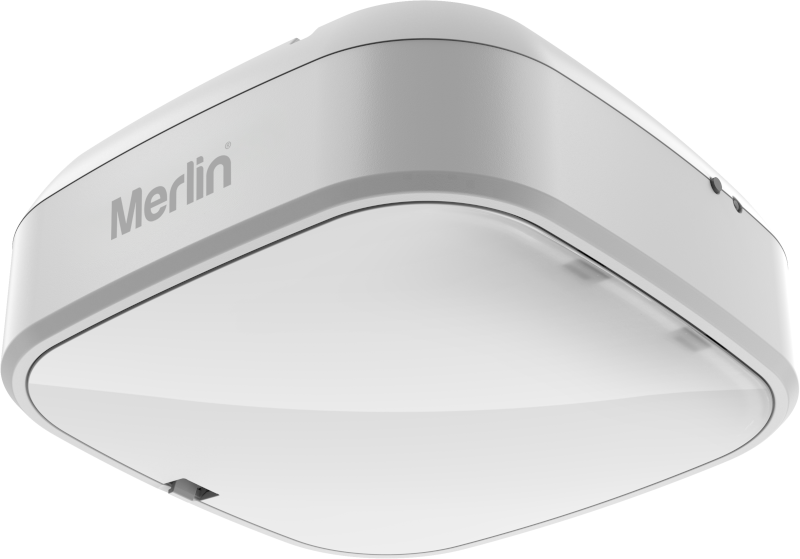
Where a Merlin opener or accessory is installed, use the exact homeowner manual to understand the features fitted to that specific system. Merlin says that safety beams, where fitted, stop a door or gate from closing when the beam is obstructed or broken. Their role is important, but the safe family habit remains the same: never deliberately use people, pets or belongings as a test object.
A household can keep a note of the opener model, manual location and service contact pathway with other home information. That makes it easier to respond calmly to a power outage or fault. It also means a parent does not need to search through the garage while children are nearby and the door condition is uncertain.
Eastern Garage Doors advises stopping operation for signs such as slow or jerky movement, loud noise, a door that is uneven or off track, controls that do not respond, or a door that feels heavy. These are useful family escalation points: report the change, leave the door alone and get help rather than turning an unfamiliar symptom into a household repair project.
Include visitors in your safety plan
Households also benefit from a clear rule for guests. A visitor arriving by car may not know that the door has a fault or that a child is playing near the garage. Let visitors use a different entrance when the door is out of use, and do not ask them to operate an unfamiliar remote. The operator should be an adult who can see the opening and who understands the current condition of the door.
Make the garage part of the home’s departure check without making it alarming. Before the car moves, look at the doorway. Before closing the door, check that a person, pet or object is not in the opening. Once the door is moving, stay out of its path. These simple habits work whether the home has a basic remote or a newer connected accessory. They also make departures less rushed when several family members leave at once, particularly when school bags or sporting equipment have been left nearby.
Keep the manual and service details handy
If the family has a Merlin manual, read it together only as a source of information about the installed model, not as a cue to reproduce a troubleshooting procedure. The manual can explain controls and service contacts, while a technician can assess faults. That division makes the checklist easier to remember: people manage behaviour and clear space; trained help manages mechanisms.
Sources and support
Eastern Garage Doors Garage Door Servicing and Repairs and Merlin Australian Safety Accessories and Merlin Australian Homeowner Support.
For a garage-door fault or servicing enquiry, contact Eastern Garage Doors with the visible symptoms and the door’s current position.