






Garage Door Openers & Remotes
Replacing a Roller Door Motor: Information to Gather First

Nov
Reviewed and updated: 14 October 2026
A roller-door motor should be replaced on the basis of the actual door and the equipment already in place, not because a generic motor description seems close enough. The useful first step is to gather clear information for an assessment: what type of door it is, how it is behaving, the existing model details and the features the household genuinely needs. This avoids turning a motor change into a guess about compatibility, safety equipment or connected access.
Confirm that the door is a roller door
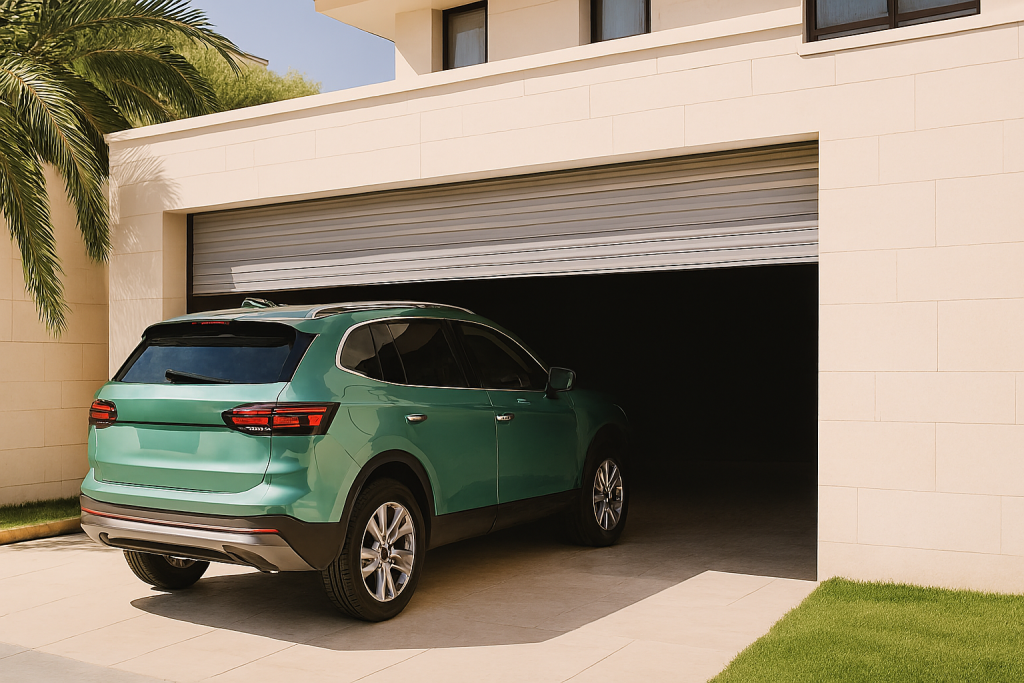
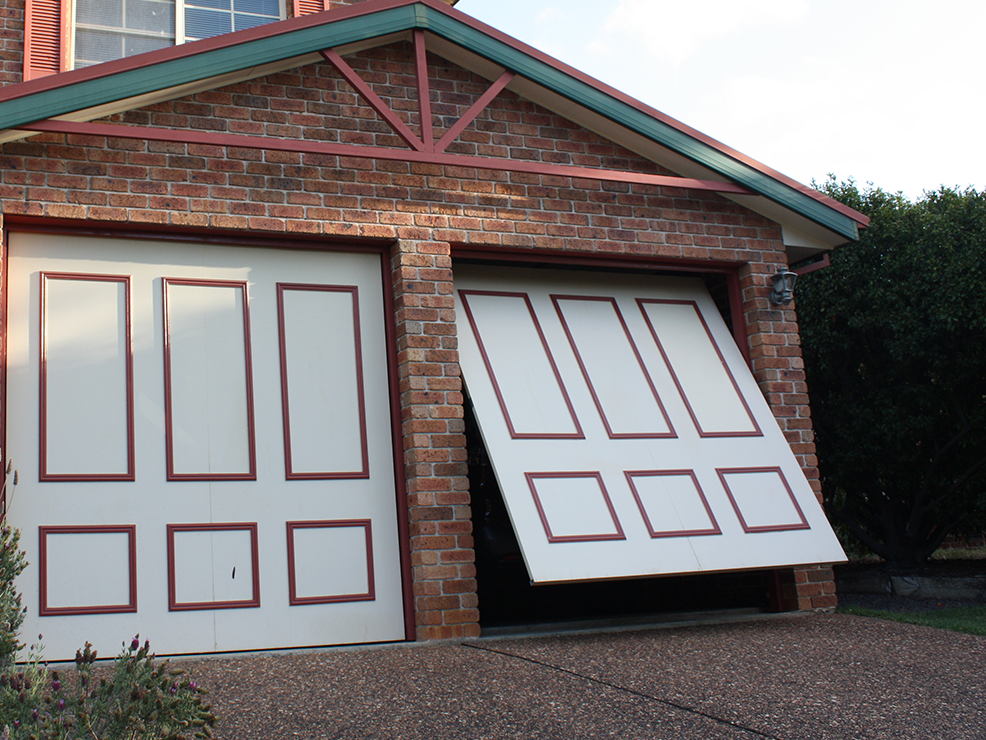
A roller door is a curtain-style door that rolls into a drum above the opening. Do not rely on a motor’s location or a previous owner’s description to classify it. Sectional and tilt doors have different movement and opener arrangements, and a product suitable for one should not be assumed to suit another. Take photographs with the door stationary if that helps explain the arrangement.
If the door type is uncertain, make that the first question for the assessment. Record whether there is an existing side-mounted motor, but do not touch the drum, springs, brackets, cables or electrical connections to investigate. The installer needs to see the actual configuration before an opener recommendation is made.
Collect the existing equipment details
Find the motor label and note its brand, model and any visible serial or identification information for the enquiry. Photograph the label rather than copying it from memory. Include photos of the existing controls and the inside view of the door only when it can be done from a safe position with the door not moving.
Keep any owner manual, prior invoice or service record with the information. These documents can provide useful context, but they do not establish that a new accessory or current motor will be compatible. The exact replacement or upgrade decision should be checked against the current door and the model being proposed.
Describe symptoms without testing the mechanism
Explain what changed: a remote that no longer responds, unusual sound, repeated stopping, unexpected reversal, a door that does not complete its travel or visible damage. Include when the change was first noticed and whether the door is currently open, closed or partly open. These observations are more useful than repeatedly cycling the door in an attempt to reproduce the issue.
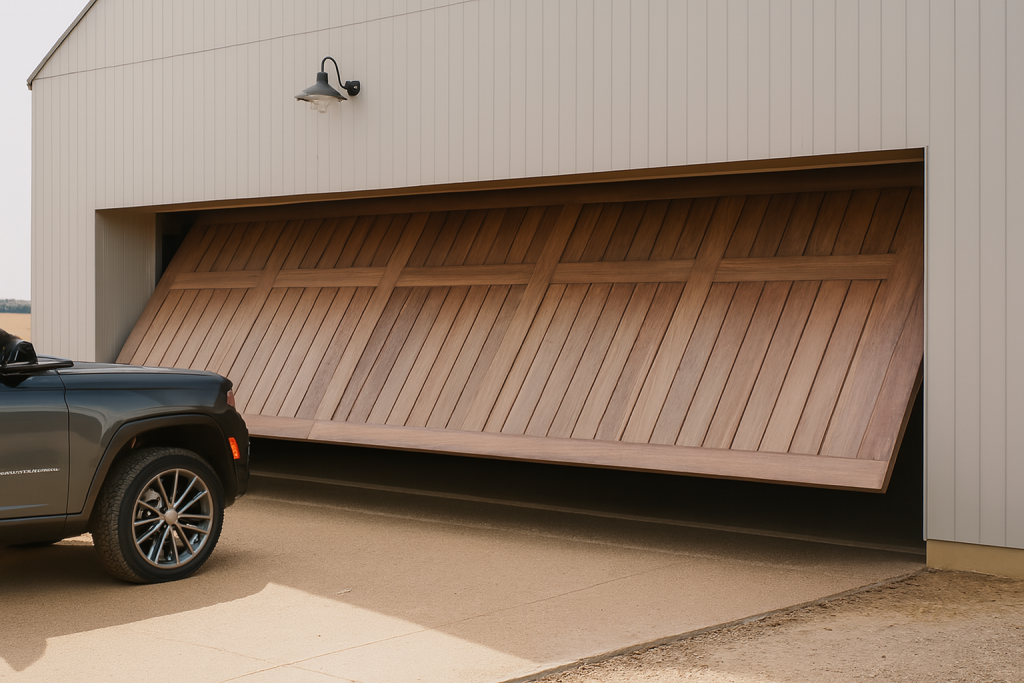
If the door is crooked, visibly damaged, moving unevenly or behaving unpredictably, stop using it and keep the area clear. Do not force it, manually release it, or try to correct force, limits, springs, cables or tracks. A roller door is a moving system; a motor concern may coexist with another condition that needs professional assessment.
State how the garage is used
The replacement discussion should include the normal use of the garage. Is it mainly a vehicle entrance, a household entry, or both? How often is it used, and who needs ordinary access? This helps frame the practical requirements without using frequency alone as a substitute for checking the door and opener selection.
Mention if storage, a vehicle, a pedestrian route or planned building work affects the space around the opening. Keep the door path and surrounding area clear for the assessment. An opener selection cannot be separated from the location in which the roller door operates, particularly where existing storage or a changed driveway routine affects safe use.
Ask precise questions about Merlin options
Merlin lists roller-door openers separately from sectional and tilt-door openers. Ask which current Merlin model is suitable for the assessed roller door and why, rather than choosing from an old model list or a generic capacity claim. The written proposal should identify the exact model, included controls and any condition that still requires confirmation on site.
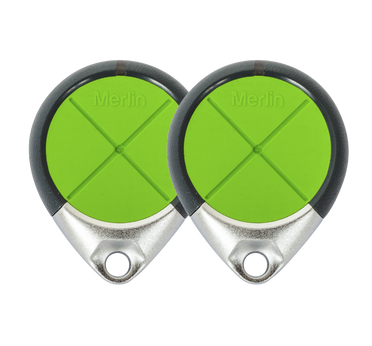
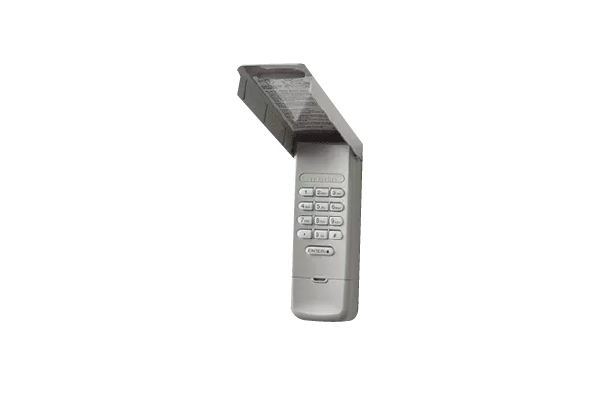
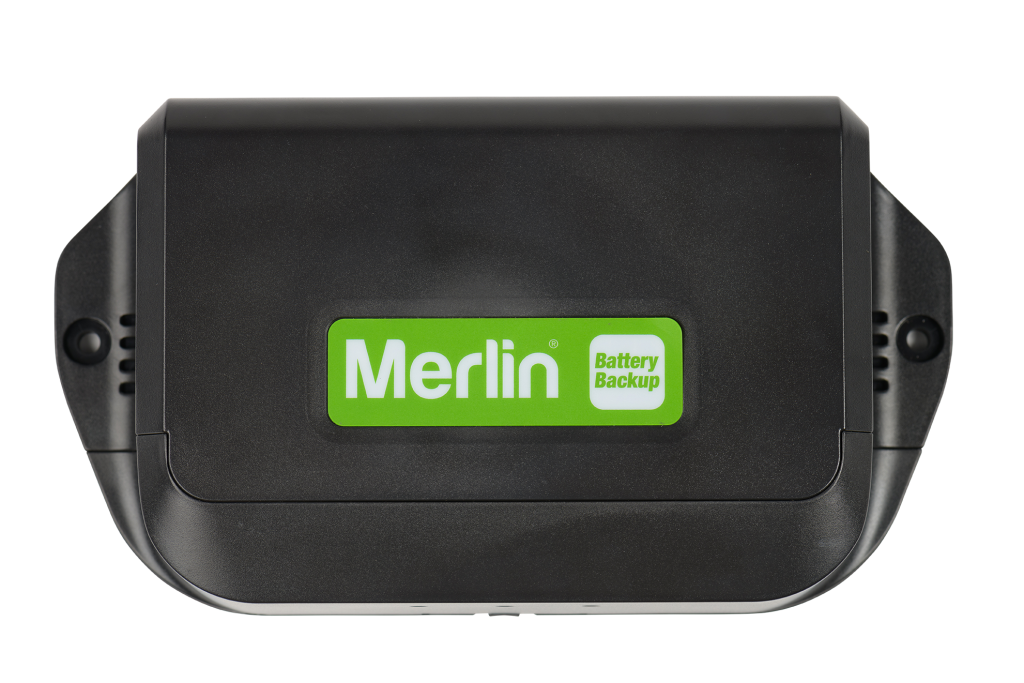
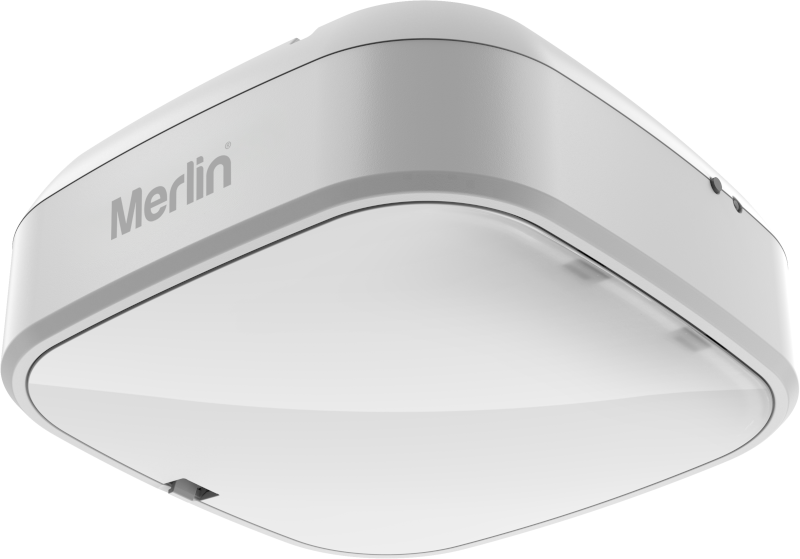
Ask about each optional accessory individually. A remote, battery-related item, safety device or connected feature should be confirmed for the exact model and door. Do not assume myQ connectivity or full smartphone functionality from the name Merlin or from a previous motor. Merlin’s current material requires compatibility to be checked for the door and motor.
Keep a clear handover record
Once a selection is made, retain the final motor model, ordinary owner information, controls supplied and relevant service contact. This is useful if a remote is lost, household access changes or a later accessory is being considered. It also prevents future decisions from being based on an unverified description such as the roller-door motor installed years ago.
At handover, make sure regular users understand the normal access routine and the rule for abnormal operation: stop using a door that does not operate normally and seek advice. Do not set up children to manage remotes or ask any household member to work on the door mechanism. A complete information record is safer and more useful than a generic replacement matrix.
If power, building work or another access change occurs later, refer to the owner documentation for the exact motor rather than applying a generic online instruction. The correct response can depend on the motor and door arrangement. Keeping model-specific records supports a calm service enquiry and reduces pressure to improvise around equipment that is not operating as expected. It also keeps future work focused on the actual installation rather than a generic replacement assumption.
Eastern Garage Doors can discuss the relevant door, opener and site information for your enquiry. Contact the team to arrange a discussion.