






Automatic Gates
Choosing an Automatic Gate Opener for Your Driveway
May
Reviewed and updated: 14 October 2026
Choosing an automatic gate opener starts with the driveway and gate that are already there. It is tempting to begin with a model name, a smart feature or a request for a particular power option. Those details come later. The first task is to understand how the gate moves, what space it has, how it is constructed and who will use the entrance each day.
Decide whether the gate should swing or slide
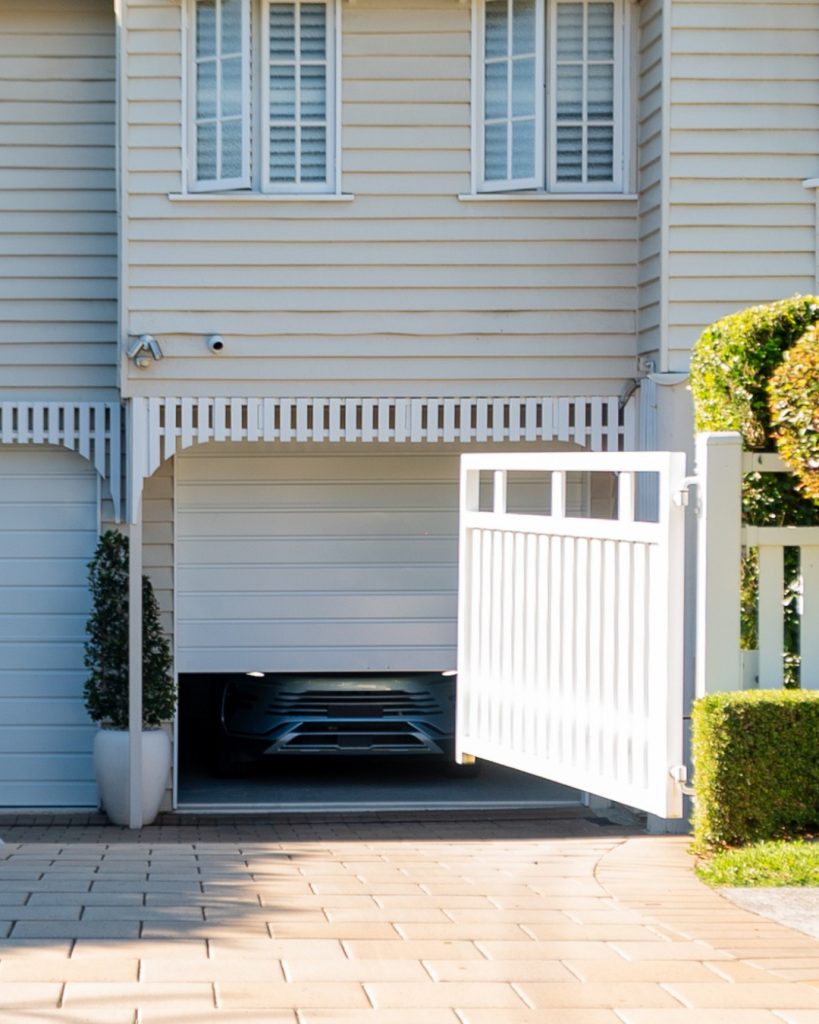
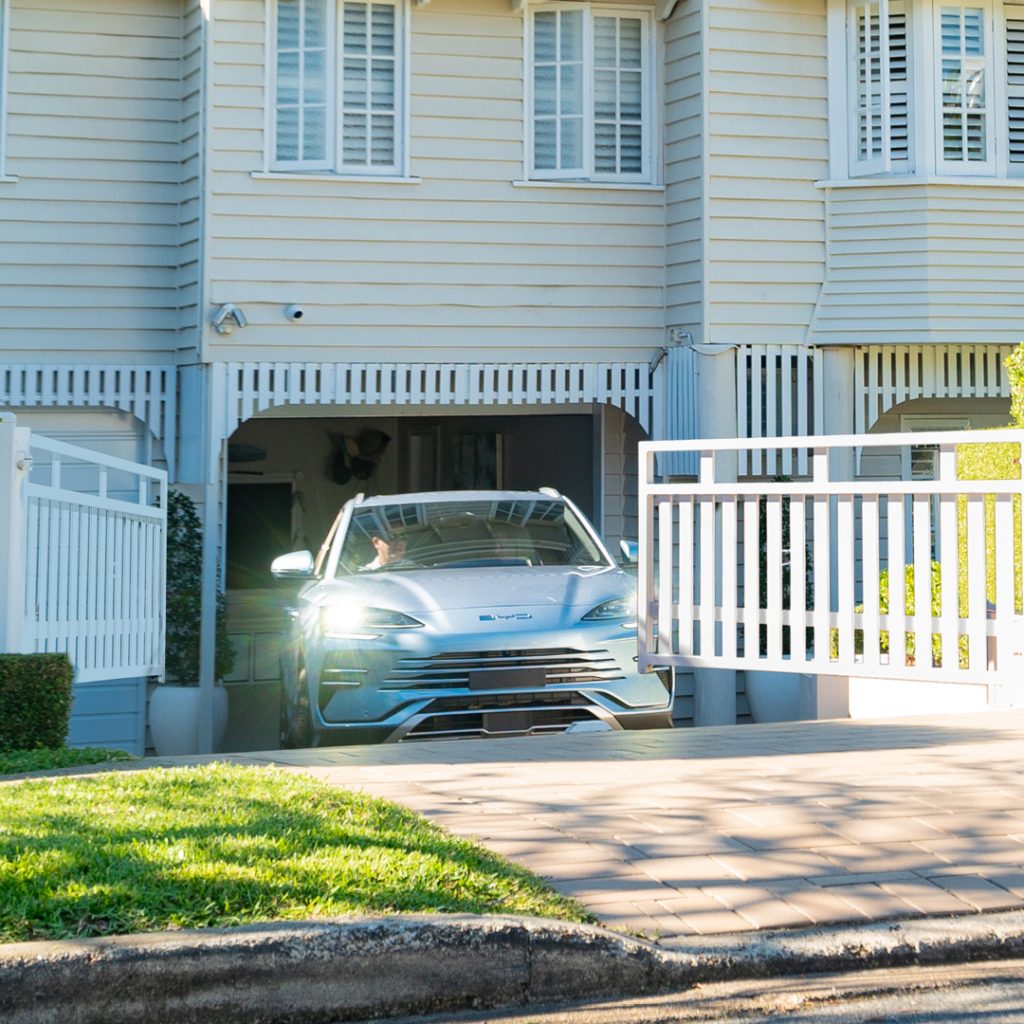
Swing gates move through an arc from their hinge side. They need a clear movement area and a structure that supports the intended operation. Sliding gates travel along a side path, so their run-off area and the condition of that route matter. Neither form is automatically better for every driveway. The useful choice depends on the property layout, the gate design and how vehicles approach and leave the entrance.
Walk the approach in both directions at a normal speed. Note slopes, narrow points, turns, pedestrian paths, drainage, garden edges and anything that could be left in the movement zone. Consider where a delivery vehicle or a visitor waits while the gate operates. A sketch and photographs can help a professional assess the site without guessing from a single front-on photo.
Assess the gate itself
The opener has to be suitable for the gate as built, not an idealised version of it. Record whether the gate is single or double, its material, its approximate dimensions and any visible changes such as corrosion, movement, damaged hinges, loose fittings, an uneven track or a collision mark. The supporting posts and surrounding structure deserve the same attention. A new opener cannot make a weak or obstructed gate sound.
Do not test suitability by pushing the gate harder, lifting it, changing hinges or adjusting a mechanism. If it is difficult to move or does not sit correctly, mention that in the enquiry. The assessment can determine whether the condition of the gate or opening needs attention before automation is considered.
Match the operator to verified site information
Merlin’s current Australian range includes options for slide and swing gates. Current product information identifies families such as the Slide 600, Swing A 200 and Swing L 300, with the support centre providing model documentation. That information is a starting point, not permission to select a product from an old article or a neighbour’s installation.
A recommendation should be based on the measured gate and the installation conditions. Ask the assessor to identify the model proposed, the basis for its suitability, the required safety equipment and the accessories included. If a particular claimed capacity, power arrangement or accessory matters to the decision, ask for it to be confirmed against the current model documentation rather than relying on a past brochure or an online list.
Plan the daily access experience
Consider the people and vehicles that actually use the driveway. A family may need reliable entry at staggered times; another property may have occasional visitors and a separate pedestrian gate. Write down the regular routines, including where people wait, how they enter on foot and what happens if a vehicle is parked near the entrance. These details can change the practical control arrangement.
Separate access needs from security promises. Remotes, wall controls, keypads and compatible smart features may be appropriate when properly specified, but no access product guarantees that a property cannot be entered. Review who holds remotes and keys, retrieve or remove access when circumstances change, and keep the owner documentation together. That gives the household an orderly process without turning a convenience feature into an exaggerated claim.
Include safety and power in the same discussion
Automatic gates move across a driveway and need a clear operating area. Merlin’s gate information describes safety reversal features and its myQ guidance sets particular requirements for monitored entrapment protection when app operation is used. The correct safety arrangement must be determined for the installed gate and its controls. It should never be treated as an optional afterthought because the gate will be operated by a remote or phone.
Power and connection requirements also need site review. Avoid choosing a system solely because a particular supply or solar option appears in a search result. The gate location, existing infrastructure, model selected and installation requirements all affect the final arrangement. Electrical work and gate-opener installation are not do-it-yourself tasks. A qualified installer should determine the proper scope.
Bring the right material to the assessment
Prepare photographs of the whole entrance, gate movement area, supporting structure and any existing operator label. Add the gate type, a description of current behaviour, whether the gate is single or double, and the access routines you want to accommodate. If the driveway has an unusual slope, nearby public footpath, shared access or planned landscaping, say so early.
Ask for a written scope that distinguishes the opener, controls, safety components, installation work and any separate repairs or site preparation. It should identify assumptions that need confirmation before work proceeds. This approach makes it easier to compare options fairly while keeping the decision grounded in the driveway that will actually use the equipment.
Choose a system, then keep its records
After the installation, retain the manual, model details, remote information and access list with the property records. Review access when a remote is lost, a phone changes hands or household arrangements shift. If the gate begins behaving differently, leave the movement area clear and arrange professional advice rather than repeatedly operating it to see whether the problem clears.
For a gate-opener recommendation based on your driveway and gate, contact Eastern Garage Doors with photos and the site details you have gathered.