






Repairs & Maintenance
How Long Does a Garage Door Last in Melbourne?

Jan
Reviewed and updated: 14 October 2026
There is no reliable expiry date that applies to every garage door in Melbourne. Two doors installed in the same year can have very different histories. One may serve a quiet detached garage; another may be the main household entrance, exposed to vehicle contact, changing storage and frequent use. Age is useful background, but the decision to repair or replace should come from the condition of the actual door.
Separate the door from the equipment attached to it
A garage-door installation contains several parts with different roles. The door itself, its supporting and guiding hardware, seals, opener and controls are not a single component with one replacement date. A new remote does not renew the door, and replacing a motor does not establish that every other part is sound. Keep records of what was installed or repaired rather than describing the entire system by the date of its most recent invoice.
This distinction helps when buying a home. The opener may look recent while the door and supporting arrangement are much older. Ask for available records and note which equipment each document covers. Do not infer a remaining life from a motor label, paint condition or the seller’s recollection alone. A professional inspection can assess the current installation and identify questions the paperwork cannot answer.
Use and exposure provide context
Tell the technician how the garage is used. A door operated by several household members, used for pedestrian entry or serving a workspace may have a different operating pattern from one opened occasionally. There is no need to turn that pattern into a calculated replacement date. It is information that helps the assessor understand the conditions under which the door has been working.
Describe exposure just as specifically. Mention recurring moisture, visible corrosion, wind-blown debris, nearby trees or changes to drainage and paving. Melbourne location alone does not describe what happens at a particular opening. A sheltered door behind a porch and one facing an exposed driveway can experience different conditions. The useful evidence is what is present at the property, not a general weather claim about the suburb.
Watch for changes that deserve attention now
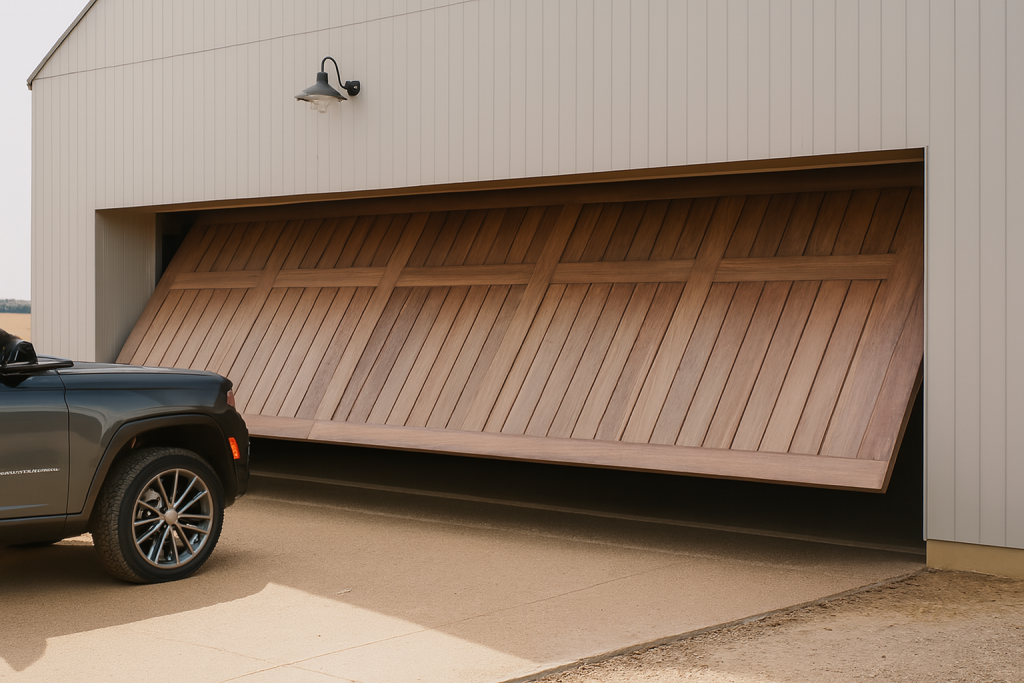
Uneven movement, unusual heaviness, unexpected reversal, new grinding or scraping, visible damage and failure to open or close normally all warrant a service conversation. A door does not become safe because it is relatively new, and an old door should not be condemned solely because of its age. The changed behaviour needs to be assessed on its own merits.
Do not repeatedly operate a faulty door to judge whether it has another year left. Leave it out of use, keep the opening clear and explain its current position when arranging help. Avoid manual-release experiments, balance tests or adjustments to springs, cables, brackets and settings. Those actions can create a separate risk and complicate the condition that prompted the enquiry.
Maintenance records are more useful than a universal schedule
Follow the care and service information for the actual door and opener. Different finishes, components and operating conditions can require different attention. A general internet instruction to lubricate everything twice a year is not a substitute for the relevant product guidance. Ask which owner-care tasks are appropriate and which work belongs with a technician.
Keep a short history of service dates, reported symptoms and completed work. Record an impact or a major change around the opening, even if it did not lead to immediate replacement. This helps a future assessment distinguish a longstanding cosmetic mark from a recent operating change. It also prevents repeated treatment of the same symptom without considering what has happened previously.
Ask what a repair would achieve
A repair recommendation should explain the condition found and the work proposed. Ask whether the rest of the door has been assessed, what remains outside the scope and whether the required parts are available for the installed arrangement. These questions help you understand the purpose of the repair without expecting a guarantee about the life of every unrelated component.
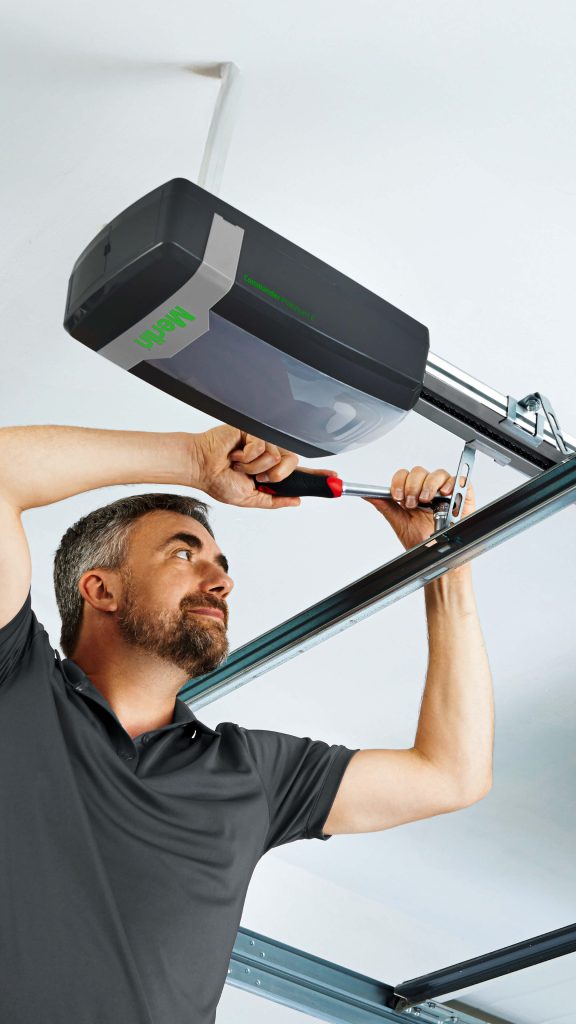
If an opener is involved, ask for the exact Merlin model and compatibility information. Product availability, accessories and support need to be checked for that equipment. Avoid treating a generic lifespan estimate for garage motors as a reason to replace the door itself. The door, opener and household access needs should be considered together, with the reason for each proposed change made clear.
Compare replacement against the whole property brief
Replacement may become part of the discussion when condition, repair options and practical requirements are considered together. Explain any renovation, larger vehicle, changed storage or new access need. A replacement door still has to suit the opening, available clearances and surrounding structure. Do not assume that choosing a newer design removes the need for a fresh measure.
Compare written scopes rather than broad labels such as repair or upgrade. Identify what each option includes, what existing equipment would remain and which related works require separate arrangements. If appearance is part of the decision, keep that preference separate from findings about mechanical condition. Both can matter, but they answer different questions about the proposed work.
Make the decision from the door you have
The useful answer to how long a door will last is a condition-based plan: what is sound, what needs attention and what should be watched. Keep the assessment and operating guidance with the property records. Review the plan if movement changes or the garage is altered, rather than waiting for an arbitrary birthday to decide that maintenance or replacement is due.
Contact Eastern Garage Doors with the door’s known history and current symptoms to discuss an assessment of repair and replacement options.