






New Garage Doors
What to Compare in a Garage Door Replacement Quote

Jan
Reviewed and updated: 14 October 2026
A replacement quote should help you understand the work proposed for your garage, not force a decision with a broad label such as upgrade or value. The strongest comparison starts with the same information for every supplier: the condition of the existing door, the measured opening, the use of the garage and the result you need from the project.
A written quote cannot predict a property-price result or promise that a replacement will solve every unrelated issue. It can make the proposal clear enough for you to compare scope, equipment and responsibility. Ask questions while the door and surrounding structure can still be inspected.
Start with the reason for replacement
Describe what has changed. The door may have visible damage, a recurring operating concern, an unsuitable arrangement for a renovation or a different access need. Keep appearance preferences separate from mechanical findings: both can matter, but they answer different questions. Do not assume that age alone decides whether replacement is appropriate.
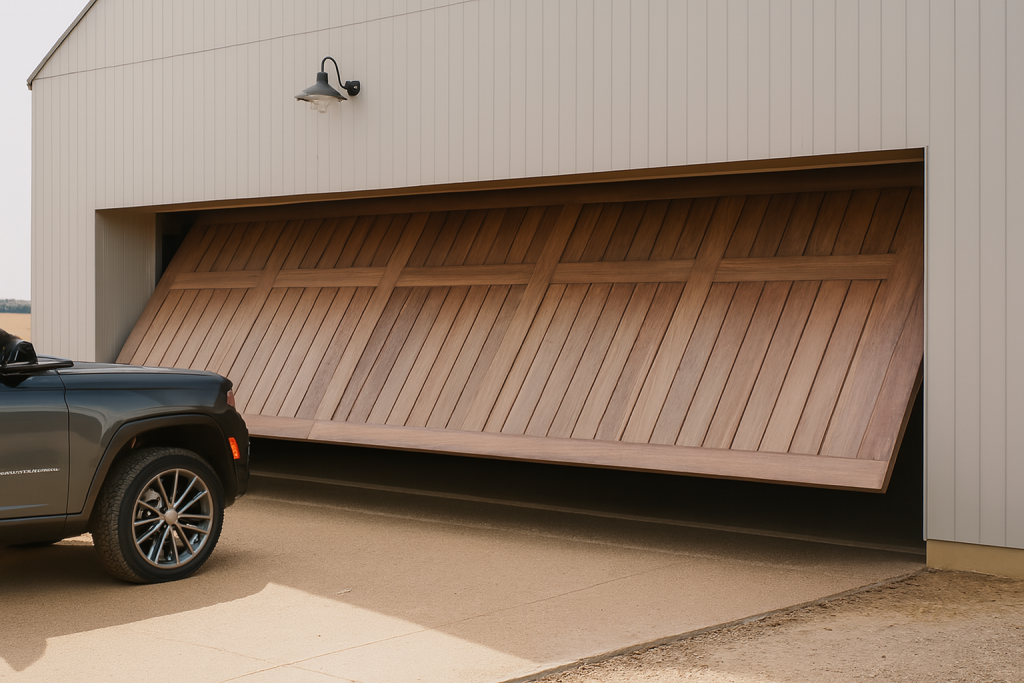
If the existing door is moving unevenly, partly open or visibly damaged, do not test it repeatedly before a visit. Keep people and vehicles clear and explain its position when arranging an assessment. Avoid manual-release, balance or tension tests, and never adjust springs, cables, tracks or brackets.
Check what has been assessed
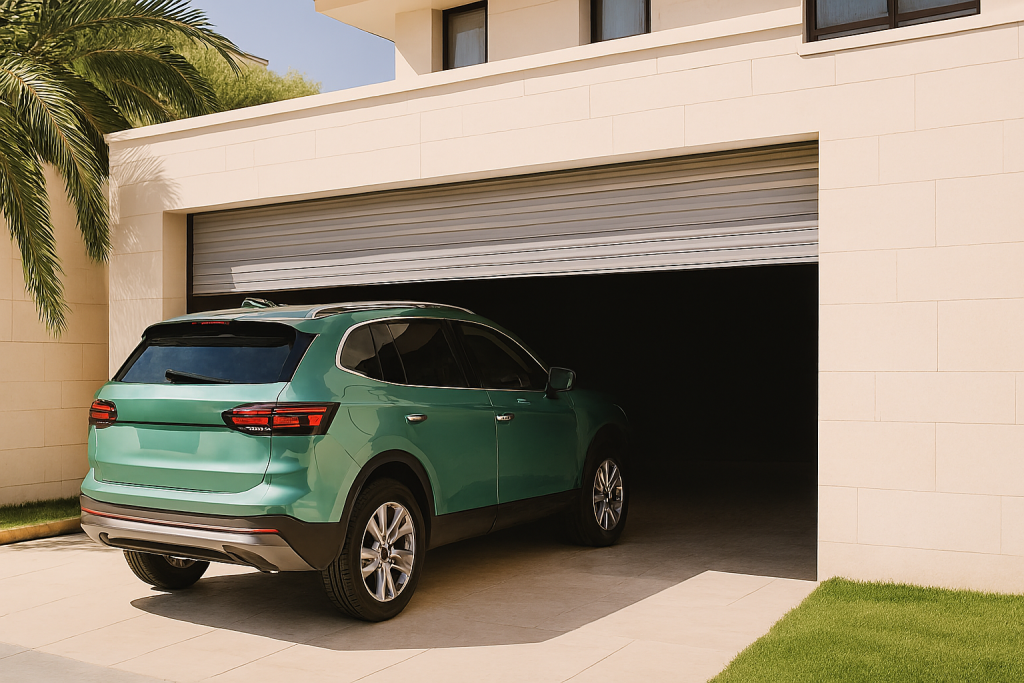
Ask the supplier to identify the door type, opening, available clearances and surrounding conditions considered in the proposal. Existing storage, lighting, roof racks, access doors, paving and structural work can affect a replacement. A photograph may assist early discussion, but an image cannot establish everything needed for a final fit.
Make sure the quote distinguishes the new door from parts that will remain. An opener, remote, weather sealing, trim, electrical work or building work may each have a different status. A vague statement that everything is included is difficult to compare once work is underway.
Read the product description closely
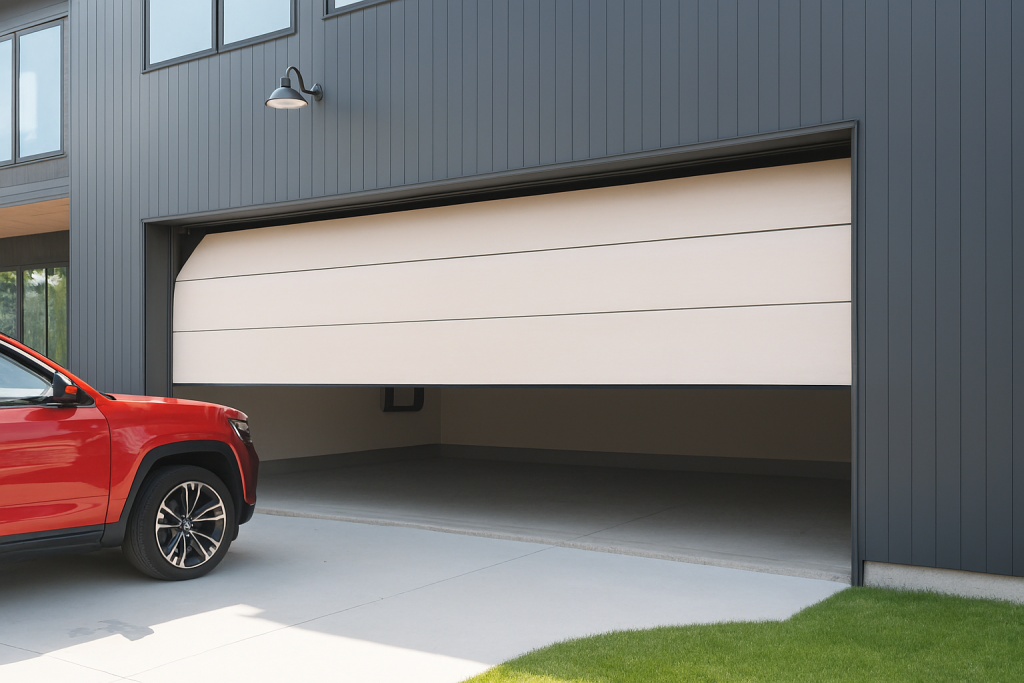
The proposal should identify the door type, profile, finish and operating arrangement clearly enough to match them to the selection made at the property. Do not rely on a colour name alone: samples, surface texture and daylight can affect the final impression. Keep approved samples and references with the written quote.
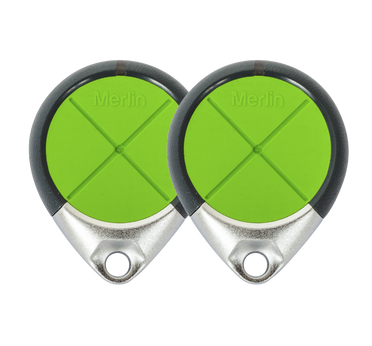
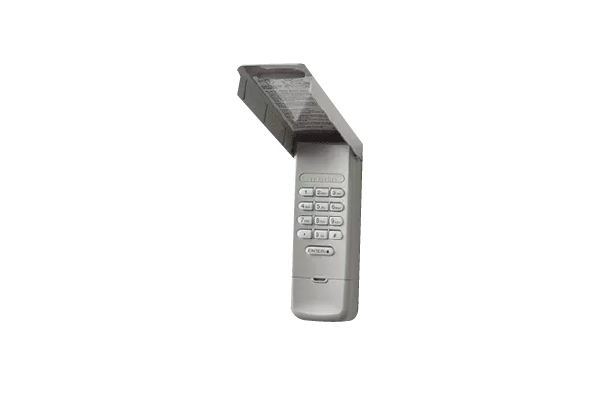
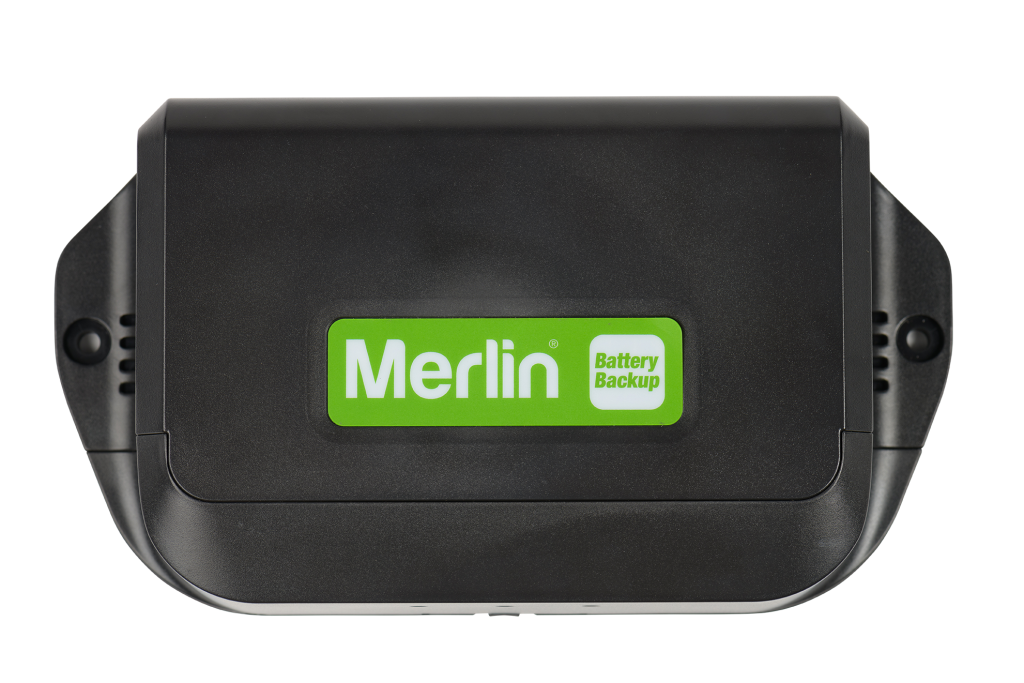
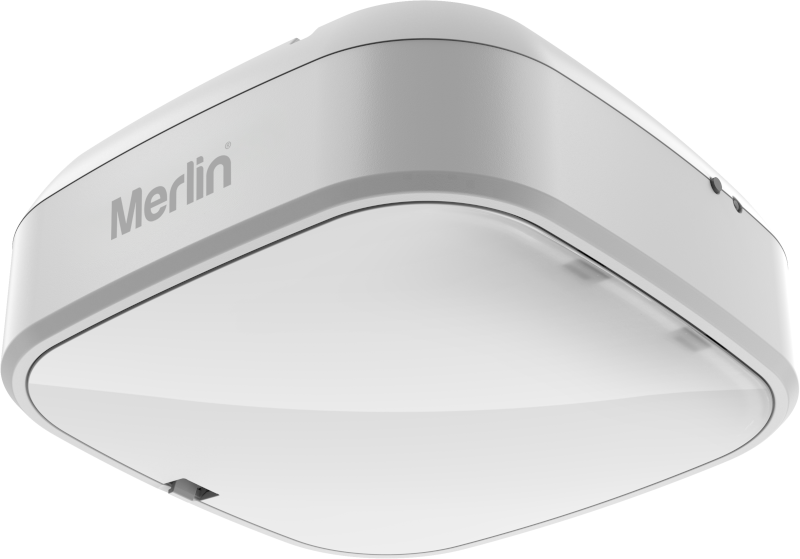
If a Merlin opener or accessory is part of the proposal, ask for the exact model and current compatibility confirmation. Features and availability depend on the equipment and installation. Do not assume phone access, alerts, scheduling, remotes or safety features are universal across products.
Compare the scope, not only the total
Put comparable quotes beside each other and list what each includes: removal of the existing equipment, supply, installation, controls, finishing work, disposal, access arrangements and any exclusions. Where one price is lower, ask whether the scope is actually the same. A useful answer explains the difference rather than assuming that a price by itself proves quality or suitability.
Also ask who is responsible for any work outside the garage-door installation. Electrical changes, repairs to surrounding construction, painting and storage relocation may require separate planning. Confirm the sequence so that new work is not obstructed by unfinished building tasks.
Look for items that remain estimates or depend on a later inspection. Ask what still needs to be confirmed, who will confirm it and whether the quoted total could change. If an option is listed separately, such as an additional control or a different finish, make sure the accepted version records the choice you actually made.
Agree how proposed changes will be communicated during the job. An unexpected site condition should lead to an explanation of the additional work and its effect on the scope before you approve it. Keep that record with the original quote so the final invoice can be understood against the work you authorised.
Ask about installation-day practicalities
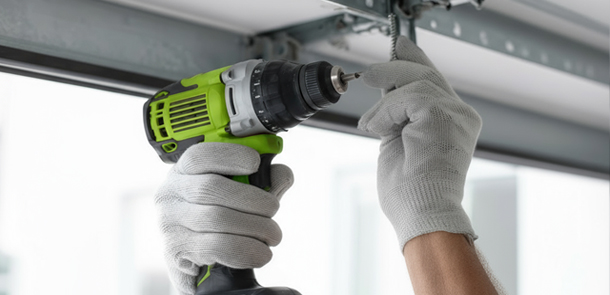
Find out what access to the driveway and garage is needed, what must be cleared beforehand and how long the area may be unavailable. Tell the installer about children, pets, shared access, parked vehicles and any circumstances that affect safe work at the property. Keep the operating area clear and do not schedule other trades through it without discussion.
Ask what information will be provided at handover. Manuals, product details, control instructions and a record of authorised remotes belong with the property documents. Every regular user should know the normal controls and understand that a moving door needs a clear area and observation.
Keep a decision record
Save the accepted quote, product references, photos, communication about exclusions and final paperwork. This record assists later servicing, property sale discussions or a request for compatible accessories. It also provides a clear reference if a finish, model or scope needs to be checked after installation.
Ask questions before accepting
Ask for any unclear detail to be stated in writing before work is booked. This includes the proposed equipment, what existing parts remain, what preparation is needed and whether a particular finish or access arrangement has been selected. It is reasonable to ask how a change to site conditions would be handled, rather than leaving an assumption unresolved.
Review the final choice against the opening, household use and known condition of the existing system. A decision based on clear scope and verified compatibility is easier to understand than one based on sales language or a single advertised feature.
Eastern Garage Doors can discuss replacement options based on the existing door and site requirements. Contact the team with photos, door details and the questions you want the quote to answer.