






Repairs & Maintenance
What Happens During a Roller Door Service?

Mar
Reviewed and updated: 14 October 2026
A roller door service is easier to understand when you separate three questions: what condition is the door in, what work is recommended, and what has been included in the booking? A request for a service does not automatically authorise every replacement part or mean that a faulty door only needs routine maintenance. Before booking, describe the door’s behaviour and ask how the visit will be handled. You can prepare useful information without touching the door’s working parts.
Tell the service team why you are booking
Start with the reason for the call. Perhaps the door is working normally and you want its condition assessed. Perhaps it now scrapes, hesitates or stops before closing. Those are different enquiries, even if both are described as a service. Tell the booking team whether the door can currently be used, whether a car is trapped inside and whether there has been an impact or a recent change.
Keep your description factual. “There is a rubbing sound on the left as it closes” is more useful than “the motor is worn out”. A sound does not identify the failed part. If you have already stopped using the door, there is no need to run it again for a better description or video. Explain the current position and let the technician decide how to assess it safely.
Gather records that belong to this installation
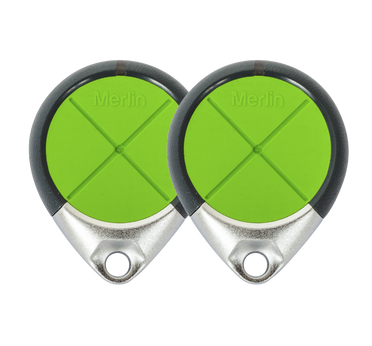
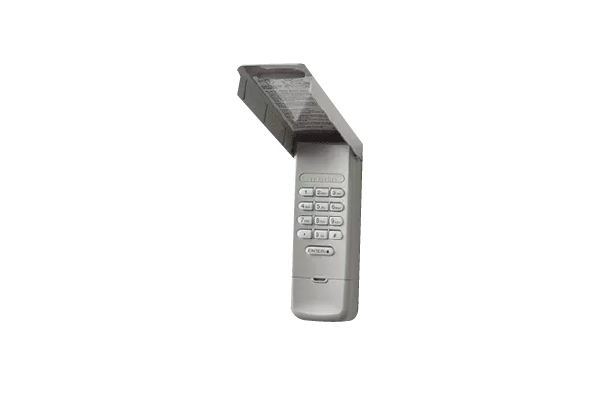
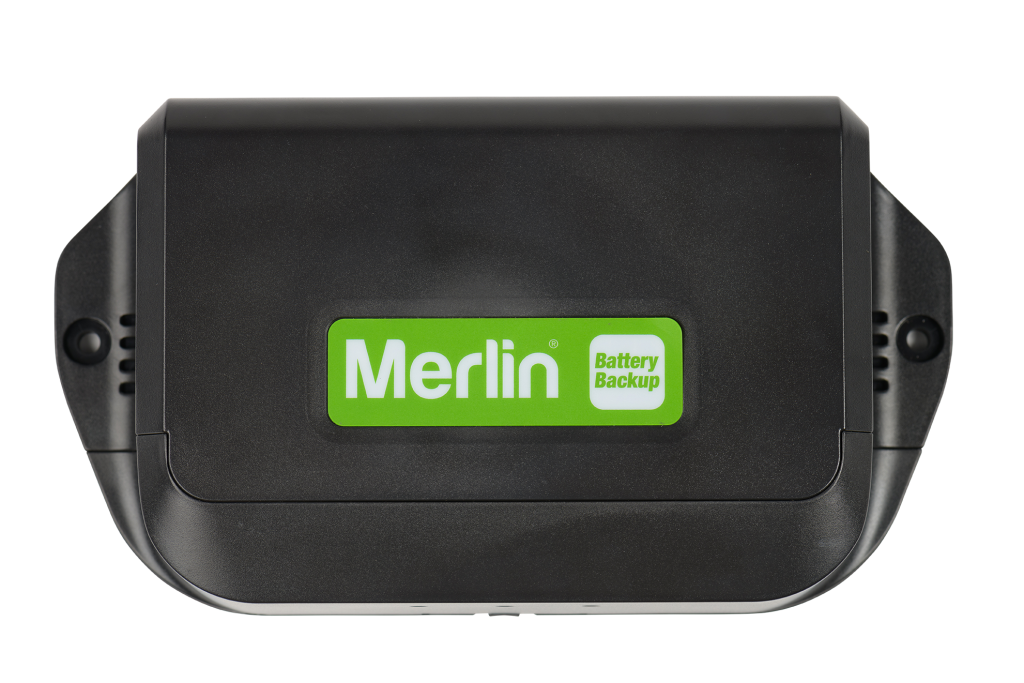
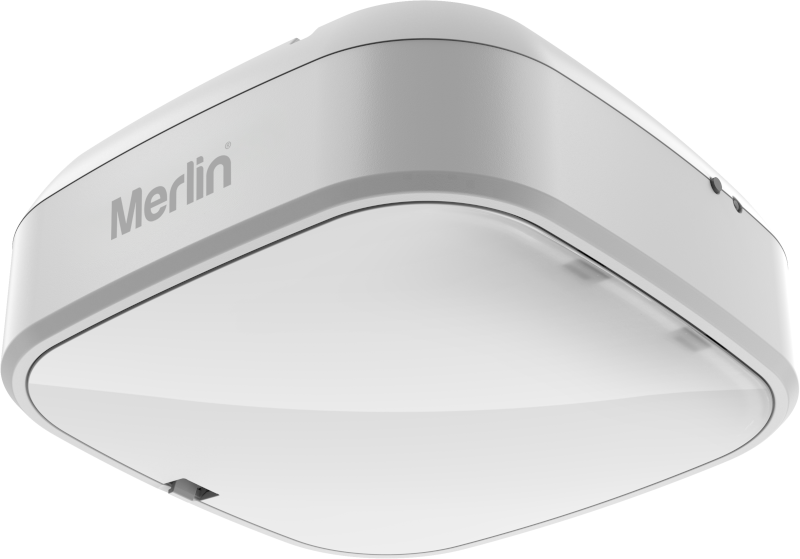
Find any paperwork you already have: an installation invoice, previous service report, door details and the opener manual. A safely visible Merlin model number can help identify the motor. The model number on a remote may identify only that accessory, so distinguish it from the opener itself. Do not climb or open a housing to collect information.
Old invoices can also show what was repaired previously. Mention recurring symptoms, but avoid assuming that the earlier problem has returned. A new noise after an old repair could have a different cause. If you have recently moved into the property, say that the service history is incomplete. An honest gap in the records is preferable to an estimated date being treated as a confirmed maintenance history.
Confirm the scope before the visit
Ask what the booked assessment covers and how additional work will be explained. For example, clarify whether the door and its opener will both be considered, whether the stated charge includes any routine work, and how parts or further visits are priced. These are questions about your booking, not a universal service package that every garage must receive.
If the property is rented or managed, establish who can approve work and how that person will be contacted. A resident may be able to provide access without being authorised to approve a replacement. For a shared garage, make sure the responsible owner or manager knows that an assessment is taking place. Sorting this out in advance helps avoid a technician waiting for a decision beside an unusable doorway.
Prepare access without working on the door
Move vehicles and portable stored items only where it is safe to do so. Ask the service team how much working access they need. Keep children and pets in a separate area for the visit, and arrange another route into the home if the garage normally serves as the main entrance. Someone who knows the reported problem should ideally be available to explain it.
Do not lubricate, tighten or adjust components in preparation for the service. That can alter the symptom you need assessed, and work around springs, guides or powered equipment may create a hazard. Do not clear an obstruction by reaching into the mechanism or moving a damaged door. If the doorway cannot be made accessible safely, explain that limitation when booking rather than attempting a last-minute fix.
Understand the difference between findings and recommendations
After the assessment, ask what was found and how it relates to the concern you reported. Separate an immediate safety issue from a maintenance recommendation, an optional improvement and a cosmetic concern. If replacement is proposed, ask which component is involved and why the existing part cannot reasonably remain in service. The answer should relate to the actual installation.
Ask what happens if recommended work is deferred. A door that should remain out of use requires different planning from one with an optional convenience upgrade. You do not need to debate a technical diagnosis from an online checklist, but you should understand the practical consequence for access and normal operation. Request clarification before approving a scope you do not understand.
Keep a useful record after the service
Keep the invoice, any written findings, the work authorised and the model details of replacement equipment together. If a component or control has changed, ask which instructions now apply. Arrange for other regular users to receive the same operating information so they do not keep following an old routine or using an outdated manual.
Ask about future care for the fitted door and opener rather than copying a general interval from an unrelated system. Report any new or returning symptom promptly and accurately. A service record cannot guarantee that a door will never develop another fault, but it gives the next conversation a clear starting point: what was observed, what was done and what changed afterwards. Eastern Garage Doors provides servicing and repairs for homeowners who need that assessment.
To discuss your garage door, contact Eastern Garage Doors with the door type and the question you would like assessed.