






Automatic Gates
When an Automatic Gate Needs Professional Attention

Feb
Reviewed and updated: 14 October 2026
An automatic gate is part of the way a property opens and closes each day, so a change in its behaviour is worth taking seriously. The useful first step is not to diagnose the operator from a distance. It is to recognise what has changed, keep people and vehicles out of an unreliable movement area, and arrange an assessment that considers the gate, its path and the controls together.
Start with the change you can actually observe
Look for a clear difference from the gate’s normal behaviour. It may pause where it previously travelled smoothly, move more slowly at one point, make an unfamiliar sound, stop before it reaches its usual position, or respond inconsistently to a remote or keypad. A gate can also seem normal at one time of day and behave differently in rain, wind, darkness or after a vehicle has used the driveway. Those are useful observations for a technician because they describe the event without assuming that a particular part has failed.
Visible changes matter as well. Bent sections, loose-looking hardware, a gate that no longer sits where it normally does, a damaged control box, an impact mark on a post, or debris affecting the travel area should be included in the report. Take photographs from a safe, stationary position if they help explain what is visible. Do not stand in the travel path, lean on the gate, or touch moving components to test a theory.
When to stop treating it as an ordinary inconvenience
Do not keep cycling a gate that moves unpredictably. A repeated attempt may not provide a useful answer, and it can leave someone assuming the entrance is available when it is not. Keep children, visitors and vehicles clear of the movement area. If the gate is partly open, damaged or unable to be used normally, make access arrangements that do not require anyone to pass through or around a moving gate.
Some situations need prompt professional advice: the gate has been struck by a vehicle, it appears to have come out of its normal alignment, it stops or reverses unexpectedly, a support or mounting point looks compromised, or its movement has become erratic. The same applies if an electrical enclosure, wiring or controls appear damaged. These are not homeowner repair tasks. Do not reset settings, alter force or travel adjustments, release tensioned hardware, disconnect wiring or attempt to move a heavy gate by hand.
Separate the symptom from the possible cause
It is tempting to call every problem a motor problem, but a gate is a system. The movement path, supporting structure, gate frame, hinges or running gear, stops, operator, access controls and safety devices all sit within the overall arrangement. A technician needs to establish whether the reported behaviour comes from the gate’s movement, the opening environment, a control issue or more than one condition at once.
That is why the description “it makes a grinding sound near the end” is more useful than “the motor needs replacing”. Likewise, saying that a remote works intermittently only from the street is different from saying that the gate never responds. The aim is not for the owner to solve the fault. It is to give the professional enough context to inspect the right conditions on site.
Make the assessment specific to the property
Before the visit, note whether the gate slides along a fence line or swings across part of the driveway. A sliding arrangement needs clear space for the gate to travel beside the opening. A swinging arrangement uses an arc in front of or behind the line of the gate. Trees, bins, parked cars, new paving, a side path, a letterbox, landscaping or a changed driveway surface can all be relevant to an assessment because each may affect clearance or how people approach the entrance.
Tell the technician about anything that has changed around the gate since it was installed. A new fence, resurfaced driveway, drainage work, retaining work, a delivery impact, building works or a revised pedestrian route can give the inspection useful context. If the gate is used by a household, tenants, a shared driveway or regular visitors, explain the normal access pattern as well. An appropriate recommendation has to work with the way the entrance is used, not only with a component viewed in isolation.
What to record before you call
A short incident record is enough. Note the date, the time, whether the gate was opening or closing, what command was used, what the gate did, and whether the behaviour has happened before. Include whether it followed a storm, impact, power interruption or other obvious event, but leave the diagnosis to the assessor. If the issue is intermittent, a clear pattern across several ordinary uses can be more valuable than an attempt to recreate it while someone is standing near the mechanism.
It also helps to gather the gate’s existing paperwork, model information and any previous service notes if these are available. Do not delay a safety enquiry because you cannot find them. They are context rather than a prerequisite. Eastern Garage Doors lists automatic gate installation, repair and upgrade services for Melbourne’s eastern suburbs, and its gate enquiry can start with the basic observation and property details.
Questions that produce a useful site visit
- What did the inspection find about the gate’s physical condition, travel path and controls?
- Is there an immediate operating restriction the household should follow while work is being considered?
- Which parts of the recommendation are confirmed by the inspection, and which need further information about the property?
- Does a proposed change affect pedestrian access, vehicle turning space or the way the driveway is used?
- What operating information should be kept with the gate after the work is completed?
These questions keep the conversation focused on the actual site. They also prevent a discussion about remotes, keypad access or connected controls from overtaking the more fundamental question: whether the gate and its movement arrangement are suitable and operating as they should.
After an inspection, keep the decision record
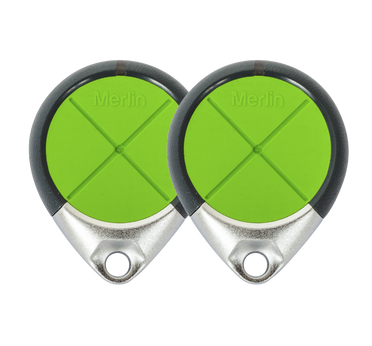
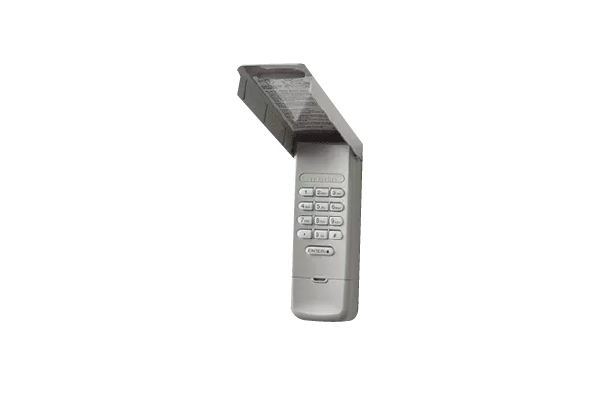
Ask for the recommended scope to identify the work being proposed and any conditions that still need to be resolved. If there are optional access features, treat them as a separate decision from restoring a gate to an assessed operating condition. Merlin publishes homeowner support information for its relevant access products; compatibility and the final operating arrangement should be confirmed for the particular gate rather than presumed from a general feature list.
Keep the final scope, operating guidance and service contact details with other property records. That gives another household member a clear starting point if behaviour changes later. It also means a future conversation can begin with the gate that is actually installed rather than a vague account of what may have been changed years before.
Arrange an assessment before attempting an adjustment
If your automatic gate is slow, noisy, damaged or unresponsive, explain the observed change and any visible damage to Eastern Garage Doors. Include photographs only where they can be taken without entering the gate’s movement area. The inspection can then address the gate movement, surrounding clearances and access needs together.
Contact Eastern Garage Doors through the enquiry page or call (03) 9812 3062. Until professional advice is available, keep people and vehicles clear of a gate that is behaving unpredictably or has visible damage.