






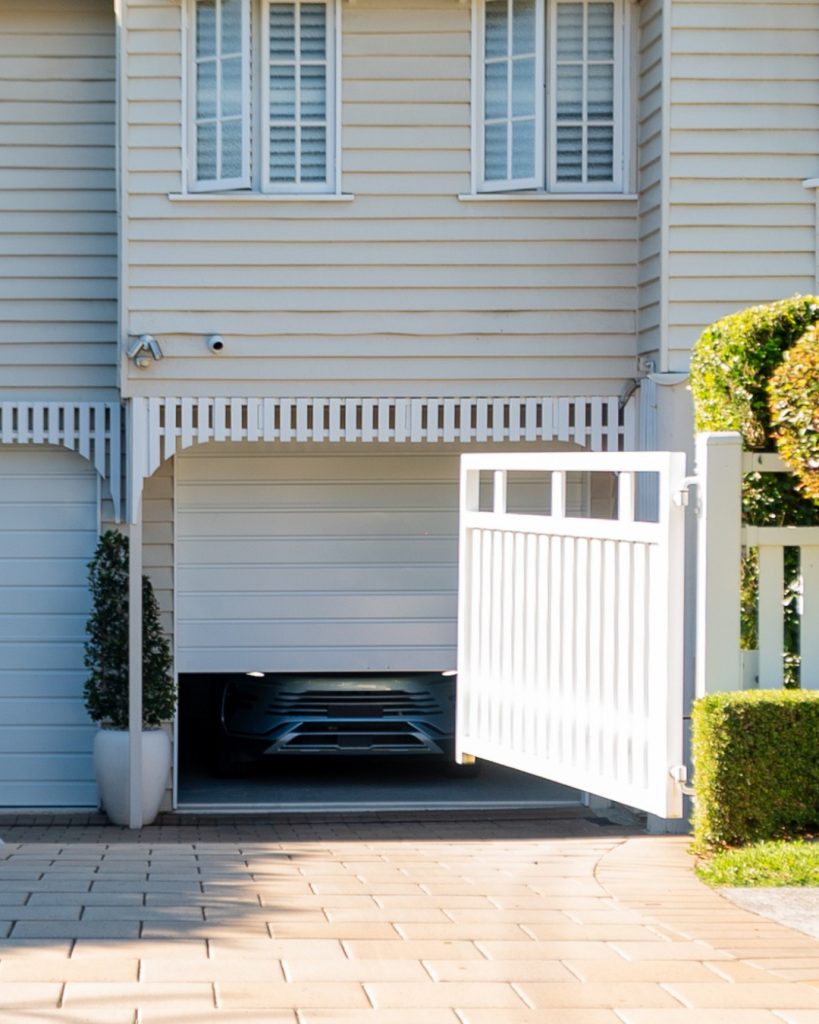
Garage Door Openers & Remotes
Choosing a Merlin Roller Door Opener: Start With Your Door and Opening

Dec
Reviewed and updated: 14 October 2026
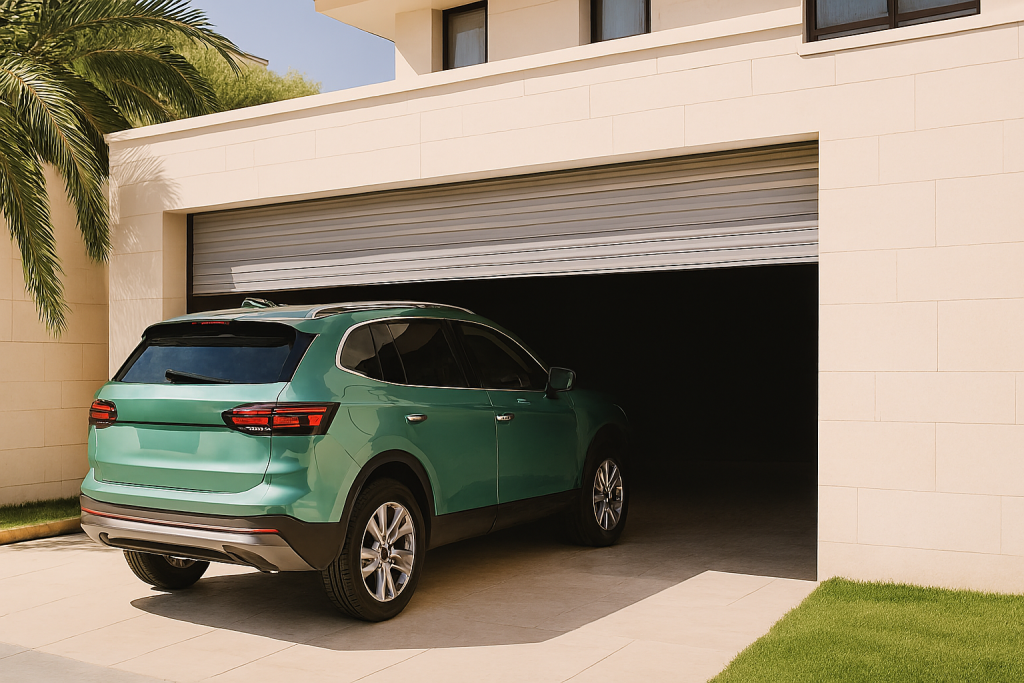
A roller door opener should be chosen from the condition and geometry of the actual garage, not from a list of names or a claimed capacity copied from an old product page. A roller door rolls up into a compact drum above the opening, which creates a different operating arrangement from sectional and tilt doors. The door, opening, side room, ceiling space and existing hardware all need to be considered before a Merlin opener is specified.
This is a planning guide for homeowners who want a sound basis for a quote. It does not nominate a model or set an unverified size limit. Current Merlin product information and an on-site assessment should determine the appropriate opener and any compatible accessories for a specific roller door.
Confirm that the door is a roller door
Roller doors travel vertically and coil above the opening. Do not choose an opener only from a photograph of the front face, as some doors can have a similar appearance while moving differently. A professional should confirm the door type, whether it is single or double, its current condition and the available space around it. If the door is damaged, bowed, noisy, difficult to move or has visible cable or track concerns, seek repair advice before discussing automation.
An automatic opener does not correct a door that is unsafe, out of alignment or unsuitable for powered movement. Avoid manual tests, spring adjustments and attempts to force the door into a new position. Tell the assessor about prior impacts, water exposure, changes to the opening and any repair history. This establishes the mechanical starting point for an opener proposal.
Document the opening and garage layout
Measure the visible opening only if it can be done safely and without operating a suspect door. More importantly, show the assessor the headroom, side room, ceiling area, internal storage and fixed obstacles. A beam, light fitting, ceiling rack, cabinet or door into the house can affect the installation arrangement. Photographs of the closed door and garage interior often communicate this more clearly than a rough sketch alone.
Keep the travel area clear while preparing those photos. Do not remove door covers, move electrical connections or alter brackets to see behind the drum. Mention planned renovations, new shelving, ceiling storage or an electrical change. The proposal can then account for the garage people actually use, rather than assuming the space will remain empty after installation.
Explain how the household uses access
Describe whether the roller door is mainly for vehicles, regular pedestrian entry or both. Say how many authorised people use it, when it is normally operated and whether a household member has an access requirement that should be considered. These facts help frame a conversation about approved controls and accessories, but they are not grounds for a blanket promise about performance or security.
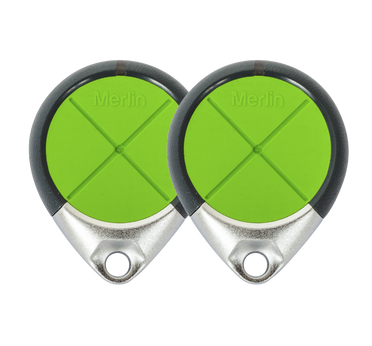
Decide in advance how household access will be managed. Keep an account of existing remotes and who has them. If a new control is needed, compatibility must be checked against the exact Merlin opener rather than chosen because it looks like a previous remote. A lost remote or a household change is an opportunity to review authorised access, not merely order another device.
Consider weather and exposure as site details
Describe what happens around this particular opening. Is it sheltered by a carport or exposed to driving rain, wind-blown debris, moisture, dust or nearby vegetation? Are there drainage changes or storage practices that put items against the door? Site conditions can inform the assessment, but they should not be converted into an unverified product claim or a guarantee of service life.
Take photos after ordinary conditions if they reveal relevant water marks, corrosion or debris patterns. Do not hose a door, climb to inspect its upper components or attempt cleaning that requires contact with moving mechanisms. An installer can advise which findings affect the proposal and whether door repair, sealing work or another site consideration needs to be addressed separately.
Check current Merlin models and accessories last
After the door and space are understood, use Merlin’s current Australian roller-door range and the exact product documentation to compare suitable options. Merlin currently lists roller-door openers separately from its sectional and tilt ranges. The official model page or product selector should be used for the final compatibility check, because the product range, included controls and supported accessories can change.
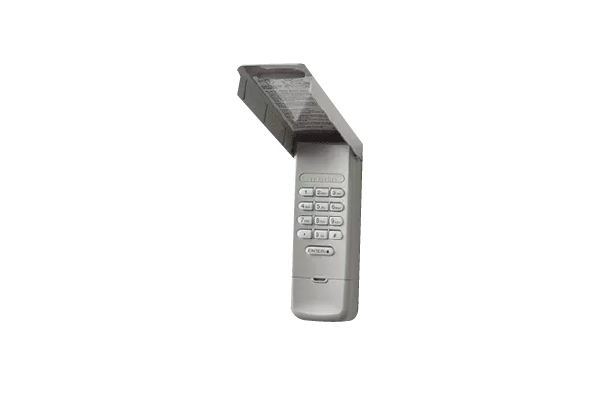
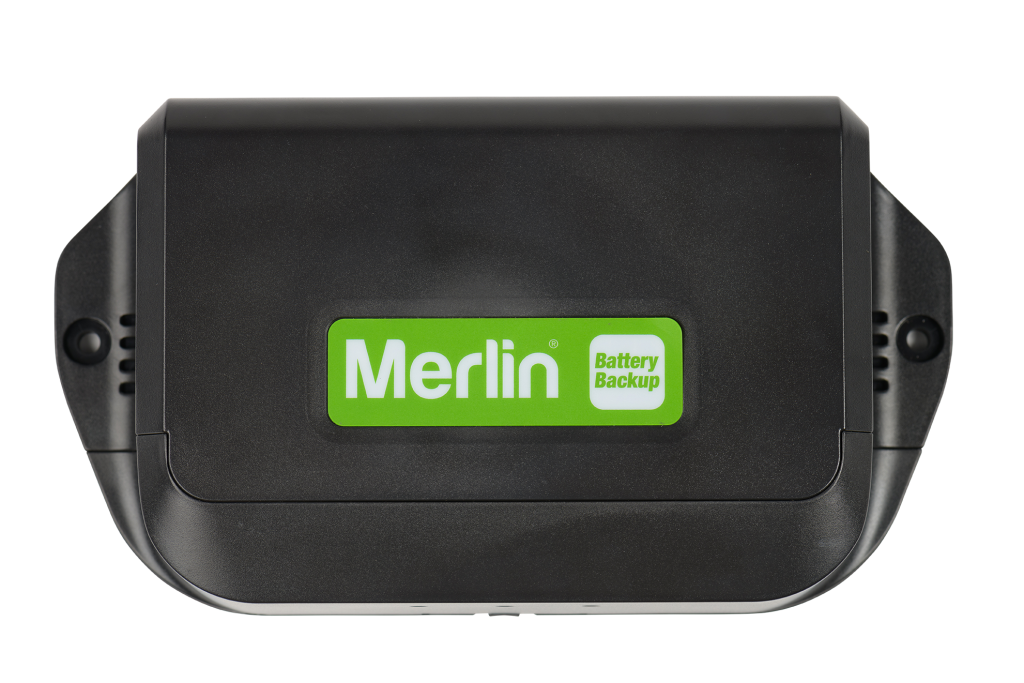
Do not assume smart connectivity, battery capability, safety equipment or a particular remote is included with every roller-door opener. Confirm each item for the proposed model and installation. If smart access is desired, it must be considered with the exact door, opener, approved equipment and safety requirements. Avoid buying accessories first and trying to make the site match later.
Ask for a clear, site-based proposal
A useful quote identifies the roller door assessed, the proposed Merlin opener, included controls, required safety equipment and any assumptions about power or building conditions. Ask what has been checked on site and what requires another decision, trade or repair. This avoids confusing an opener quote with a promise to resolve unrelated door faults or alterations around the garage.
Eastern Garage Doors can assess a roller door and discuss a current Merlin opener suited to the measured opening and access needs. Share photographs, known door history and the model details of any existing opener so the conversation starts with the right system.