







Repairs & Maintenance
Garage Door Alignment Problems: Safe Signs to Look For

Jan
Reviewed and updated: 14 October 2026
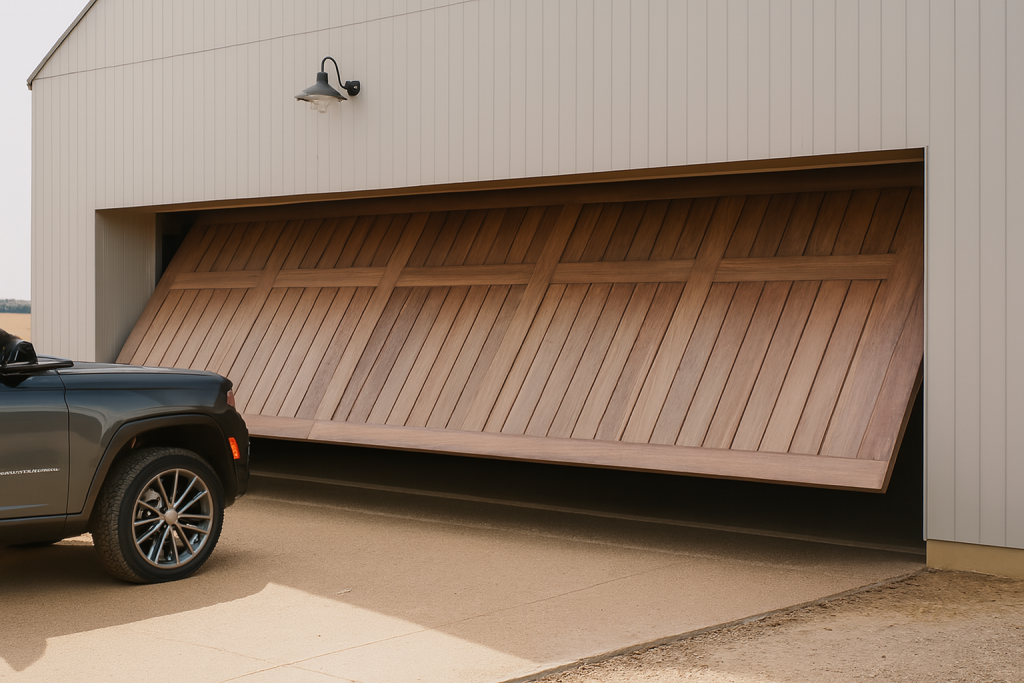
An uneven gap or a door that appears crooked can be easy to notice from the driveway. It is much harder to establish why it has changed. Alignment involves the door, its supporting arrangement, guides or tracks where fitted and the opening around it. The useful homeowner response is to report the visible difference and stop use when movement is abnormal, rather than trying to straighten the door by hand.
Describe the change in the closed position
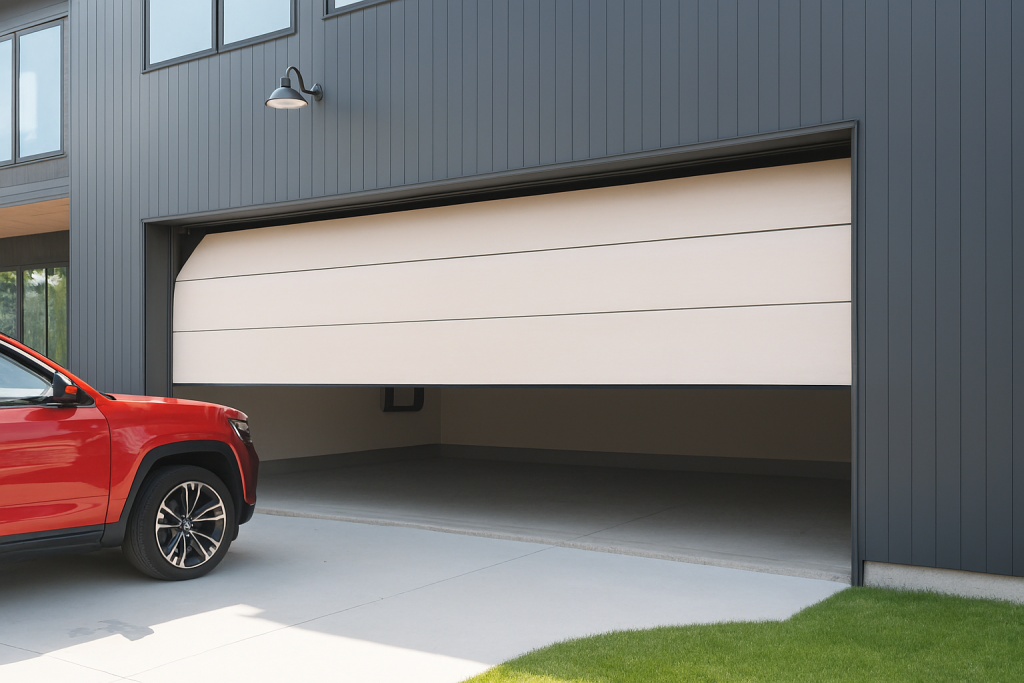
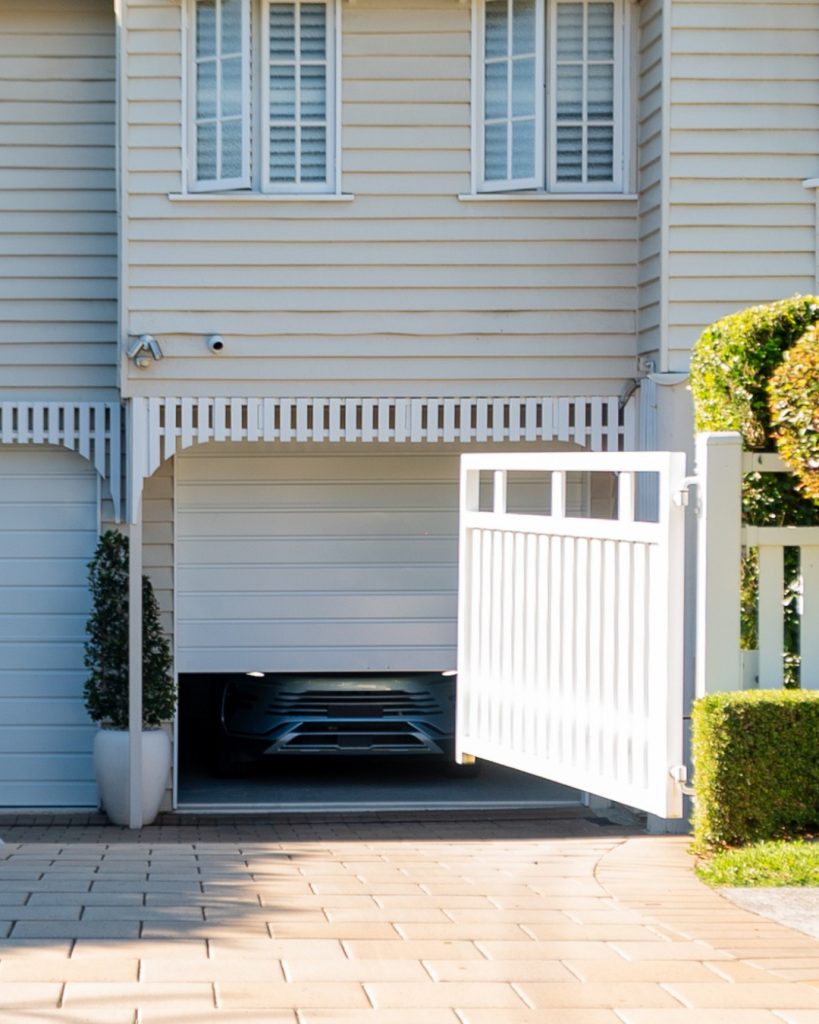
From a safe standing position, note whether one edge sits differently, a gap has appeared or the door no longer reaches its usual position. If the door is stable and fully closed, a photograph of the whole opening can help show the relationship to the surrounding frame. Do not reach into a gap, pull a seal or touch a cable to find out what is causing it.
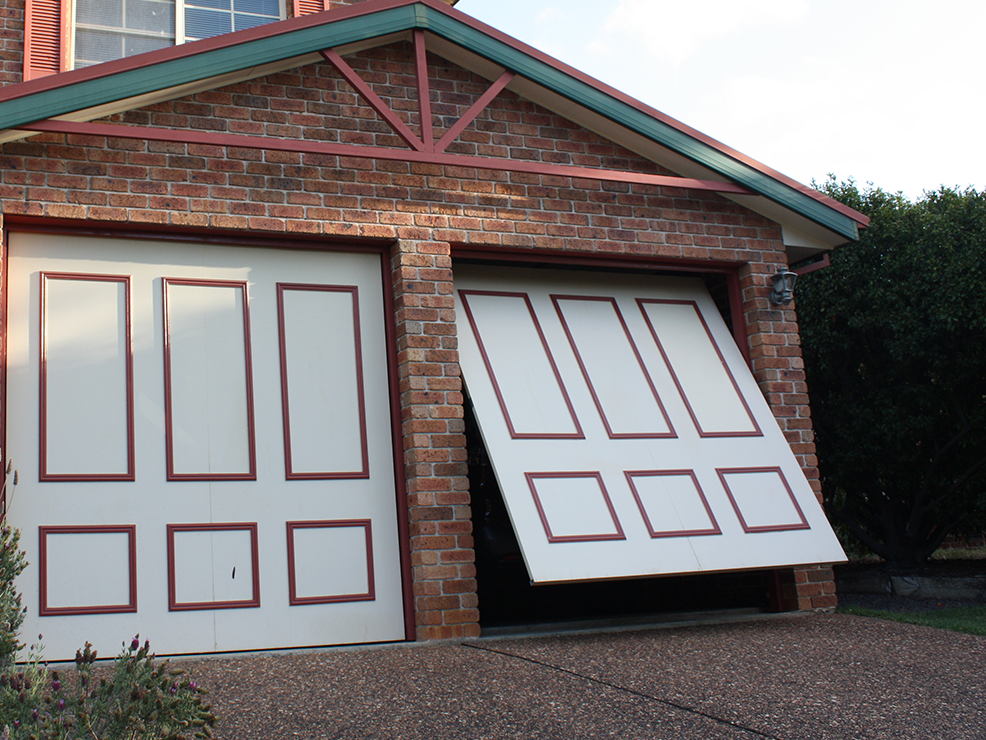
A single image has limits. Paving levels, the shape of the opening and the viewing angle can affect how a gap appears. Tell the technician whether the condition is new and whether movement has changed. An existing uneven floor and a door that suddenly sits crooked are different observations, even when both produce a visible space at one edge.
Take changed movement seriously
Scraping, hesitation, jerky travel, a door rising unevenly or a new contact point should prompt a stop-use response. Do not repeatedly cycle the door to see whether it settles back into place. Keep people, pets and vehicles away from the opening and use another entrance if available. Explain where the door is currently positioned when you request advice.
A door that is partly raised, visibly displaced or supported in an uncertain way should not be propped, tied or guided by another person. Avoid disengaging the opener to test how freely it moves. The condition of supporting components needs assessment before anyone treats manual movement as an alternative. The same caution applies even if the motor still responds normally to a control.
Do not make the track the assumed culprit
Different door types use different guiding and support arrangements. A roller door, sectional door and tilt door should not be approached as though the same adjustment applies to each. What looks like a tracking issue can involve other parts of the installation or damage that cannot be assessed from outside. Describe the symptom without naming a repair that has not been established.
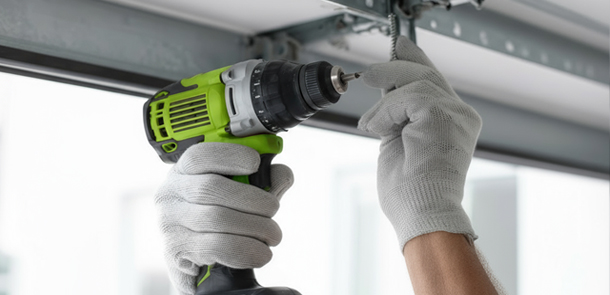
Do not loosen brackets, bend guides, tap a component with a hammer, move rollers or adjust cables and springs. These parts interact with a heavy moving door and may be carrying load. Switching off the opener does not remove stored mechanical energy or make the installation safe to alter. Leave the relationship between the door and its supporting components for a technician to inspect.
Include recent changes around the garage
Vehicle contact is useful context even when the visible mark seems small. Mention building work, new cladding, paving, storage installation or a change to the opening as well. These events do not prove a cause, but they give the assessment a chronology. A technician can decide which details are relevant once the door and surrounding structure are inspected together.
If the garage has been resurfaced or drainage has changed, explain that before treating the bottom gap as a door-setting issue. Do not lower the travel limit to make the door press harder against a new surface. A seal, floor level and closing arrangement each have their own role. Forcing one part to compensate for another may conceal the problem rather than resolve it.
Keep opener and door observations separate
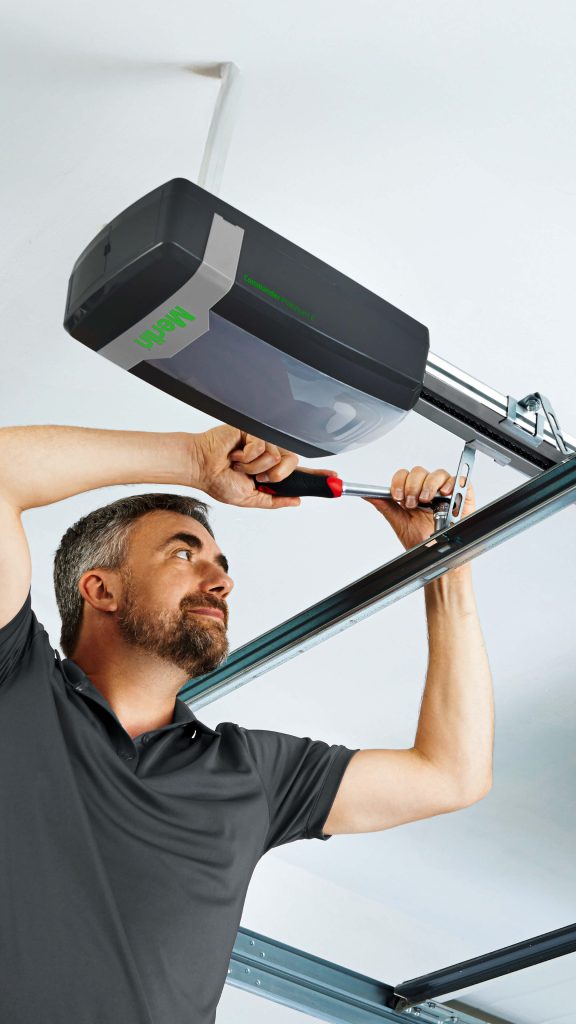
Tell the service team whether a control responds, whether movement starts and where it changes. A Merlin opener model can help identify the relevant documentation, but it does not establish that the door remains aligned or structurally sound. A working remote is evidence of a control response, not proof that continued movement is safe.
Do not change force settings or try a new programming sequence to overcome resistance. If the door reverses or stops, treat that behaviour as information for the assessment. Covering sensors or repeatedly pressing a button will not correct a displaced component. Keep any existing manuals available without climbing to find a label or opening an electrical enclosure.
Ask what the inspection found
A useful explanation distinguishes the visible symptom from the assessed cause. Ask which parts were inspected, what work is recommended and whether the surrounding opening needs separate attention. If a repair is proposed, ask what is included and what remains outside that scope. This helps you understand the recommendation without needing to perform a mechanical diagnosis yourself.
Retain the final work description with any product details and owner instructions. If another issue develops later, this record gives the next assessment context. It is also useful when a property changes hands or a renovation is planned around the garage, because the completed door arrangement can be considered before new surfaces or storage are added.
Know what to watch after the assessment
Follow the operating advice for the specific door. Notice a return of the original scrape, gap or uneven movement during ordinary use, and report it promptly rather than attempting the adjustment yourself. Keep the area needed by the door clear. The goal is a stable, understood installation with a clear service path, not a household routine of nudging or resetting the door whenever it catches.
Contact Eastern Garage Doors with photographs taken safely and an account of what changed to discuss an alignment assessment.